Essential Relocation Tips for Moving to Florida
Thinking of moving to Florida? Discover essential tips and insights to ensure a smooth transition. From understanding Florida’s unique climate to exploring diverse communities, prepare for your new life in the Sunshine State.
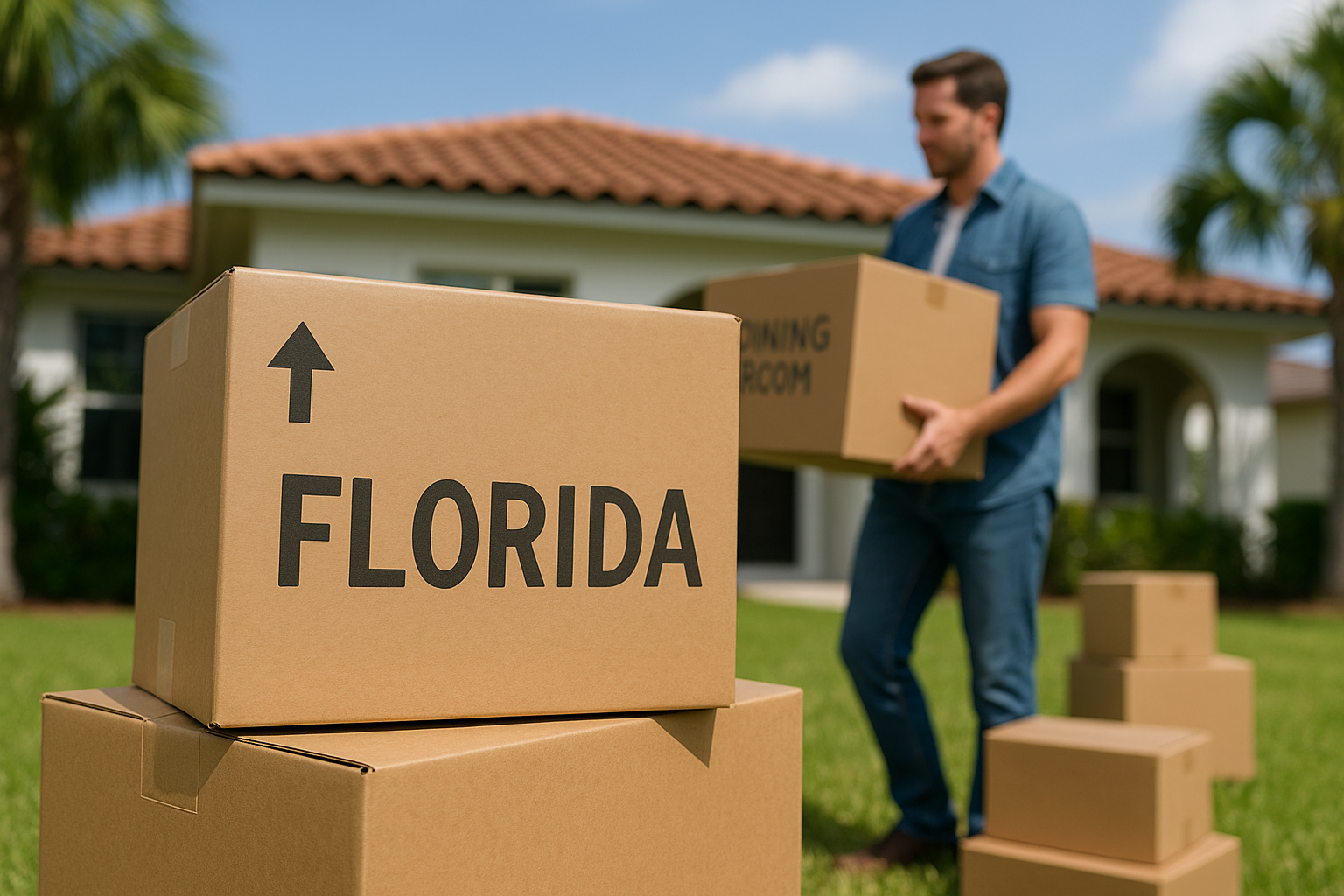
Weather and Climate: What You Need to Know
Moving to Florida presents a unique opportunity to experience a climate that is vastly different from other parts of the United States. This state boasts a tropical and subtropical climate which ensures warm and sunny weather almost year-round. However, it's crucial to understand the specifics to be well-prepared.
Understanding the Seasons
Unlike the four distinct seasons in Northern regions, Florida has two main seasons: the wet season and the dry season. The wet season runs from May to October, characterized by higher temperatures and frequent, heavy rainfalls. Conversely, the dry season spans from November to April, offering milder weather and less rainfall. Temperatures average at about 76°F yearly.
Hurricane Preparedness
Florida is prone to hurricanes, especially between June and November. It's essential to be prepared in advance by having a disaster preparedness kit and an evacuation plan if you're living in coastal areas. For recent data on hurricane frequency and safety tips, you can refer to the National Oceanic and Atmospheric Administration (NOAA).
Cost of Living and Housing Market
The financial implications of moving to Florida are significant factors to consider. The state offers a variety of living options with differing costs associated with urban, suburban, and rural areas.
Housing Costs and Market Trends
The real estate market in Florida is quite dynamic, with prices varying across different regions. As of 2026, metropolitan areas like Miami and Orlando have seen significant property value increases due to high demand. According to the Florida Realtors Association, the median home price in these areas has reached $400,000.
Comparison with National averages
While the national median home price is slightly lower, Florida's lack of state income tax mitigates some financial strain, making it appealing for newcomers. This fiscal advantage often draws retirees seeking to maximize fixed incomes, balancing the higher living costs in certain areas.
Job Market and Economic Opportunities
Employment prospects are another crucial consideration for individuals relocating to Florida. The state offers diverse economic sectors with abundant opportunities for both skilled and unskilled labor.
Major Economic Sectors
Florida's economy thrives on tourism, agriculture, and aerospace. Its robust tourism industry employs millions, especially in theme park hubs like Orlando. The aerospace sector, bolstered by NASA's Kennedy Space Center located on Merritt Island, continues to flourish with numerous job opportunities.
Current Employment Data
As of 2026, Florida's unemployment rate stands at a steady 3.5%, significantly below the national average. This trend underlines the state's resilience and diverse job market approach, as reported in recent Bureau of Labor Statistics (BLS) data.
Culture, Lifestyle, and Recreation
The cultural tapestry and recreational offerings of Florida are vast and varied. The state's lifestyle could greatly enhance your quality of life based on your personal interests and preferences.
Cultural Diversity and Events
Florida's population reflects a blend of various cultures, making it a melting pot for cultural events and festivals. From Latino and Caribbean influences, seen in festivals like Miami's Calle Ocho, to the art deco charm of Art Basel, cultural experiences are plentiful.
Recreational Activities
Outdoor enthusiasts will enjoy the state's extensive coastlines, national parks like the Everglades, and golf courses. The wide range of activities from water sports to hiking allows for an active lifestyle. According to Florida's Parks Service, there were over 26 million recreational visits in 2026, emphasizing its appeal.
Education and Educational Institutions
For families moving with school-aged children or those seeking further education themselves, understanding the educational landscape in Florida is critical.
Primary and Secondary Education
Florida offers numerous top-rated public and private school systems. The state continues to invest in educational improvements and innovative learning platforms. The Florida Department of Education emphasizes STEM opportunities, encouraging a future-ready curriculum.
Higher Education Options
Florida is home to renowned universities, including the University of Florida and Florida State University, providing excellent higher education opportunities. The increase in online degree programs has added flexibility and increased the appeal to a broader student base.