Essential Resources for Homeowners Seeking Roof Replacement Assistance in 2026
Discover how Roof Replacement Assistance Programs for Homeowners in 2026 might help ease the burden of costly repairs. Explore available options and eligibility criteria designed to support you in maintaining a safe home environment.
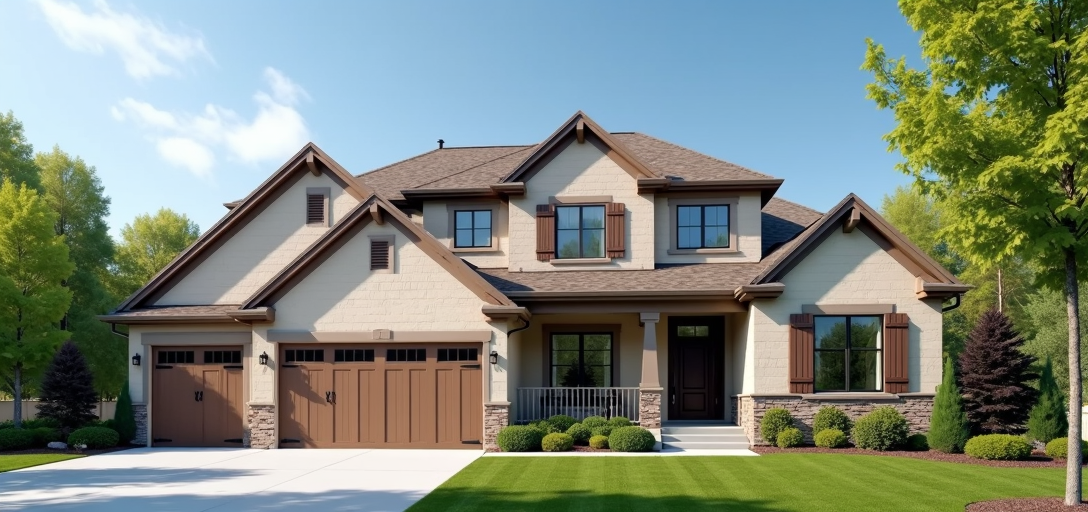
Understanding Roof Replacement Assistance Programs for Homeowners
As a homeowner in the United States, maintaining your property is vital, and the roof is one of the most crucial elements of your home. By 2026, the costs associated with roof replacements have seen a noticeable uptick due to various economic factors, from increased material costs to labor shortages. Many people find themselves needing a roof replacement for safety and efficiency reasons, but the financial burden can be heavy. Thankfully, there are assistance programs designed to help alleviate these costs.
Types of Roof Replacement Assistance Programs
Federal Assistance Programs
The federal government offers several programs to assist homeowners in need of roof replacements, primarily focused on those in low-income brackets or in areas affected by natural disasters.
- FEMA Disaster Assistance: If your roof was damaged due to a federally declared disaster in 2026, the Federal Emergency Management Agency (FEMA) offers grants that can help cover repair or replacement costs. More information can be found on the FEMA website.
- HUD Grants: The Department of Housing and Urban Development (HUD) offers grants to assist with home repairs for eligible low-income homeowners. Specifically, the Community Development Block Grant (CDBG) program can be a valuable resource.
State and Local Assistance Programs
Assistance programs can vary significantly from state to state. Many local governments provide financial aid through low-interest loans or grants.
- Weatherization Assistance Program: Managed at the state level, this program aims to improve energy efficiency, which can often include roof repair or replacement. Check with your state’s energy department for specific details.
- Home Repair Programs: Many states offer their own home repair financing programs, which can include roof repairs. For example, the Home Repair for the Elderly Program in Virginia provides funding assistance specifically targeted at repairing and replacing essential home components.
Non-Profit and Community Programs
A number of non-profit organizations and community programs can provide assistance with roof replacement.
- Habitat for Humanity: Known for building homes, they also have repair programs that include roofing. They focus on helping those who earn below a certain income level.
- Rebuilding Together: This organization focuses on critical/timely repair assistance, thereby potentially providing help for your roof replacement needs.
How to Qualify for Roof Replacement Assistance
Eligibility Criteria
The eligibility requirements for these programs can vary. Common criteria include income thresholds, age, geographic location, and specific situations such as natural disaster impact. It's advisable to gather proper documentation on your income, property taxes, and homeownership status. Consulting the specific program's website or contact line can provide exact details regarding any additional documents required.
Application Process
The application process typically involves filling out forms that verify your eligibility. For example:
- For federal programs like FEMA, applications can be submitted online, typically within a set time frame post-disaster.
- State and local program applications may require a visit to local government offices or online submission through local government web portals.
- Non-profit organizations usually require a combination of online applications and an in-person interview.
Maximizing The Benefits of Assistance Programs
Combining Different Program Types
It is often possible to combine different forms of assistance to cover the complete cost of a roof replacement. For example, receiving a federal grant does not necessarily preclude you from accessing state-level assistance or programs run by non-profit organizations. It’s crucial to inquire about integration options during your application process.
Long-Term Impact of Energy-Efficient Roofs
Opting for energy-efficient roofing not only aids in receiving assistance but also can lead to long-term savings through reduced energy bills. Energy-efficient materials are often eligible under many assistance programs, given their environmental and cost-saving benefits.
Find out more about energy-efficient roofing options with resources from The U.S. Department of Energy.
Conclusion
Roof replacement is a significant investment, but assistance programs can ease the burden for a vast array of American homeowners. Whether federal or local, these programs ensure that homeowners, regardless of financial status, can maintain safe and efficient homes. If you’re considering or need a roof replacement in 2026, exploring these available programs could be your first step toward a worry-free solution.