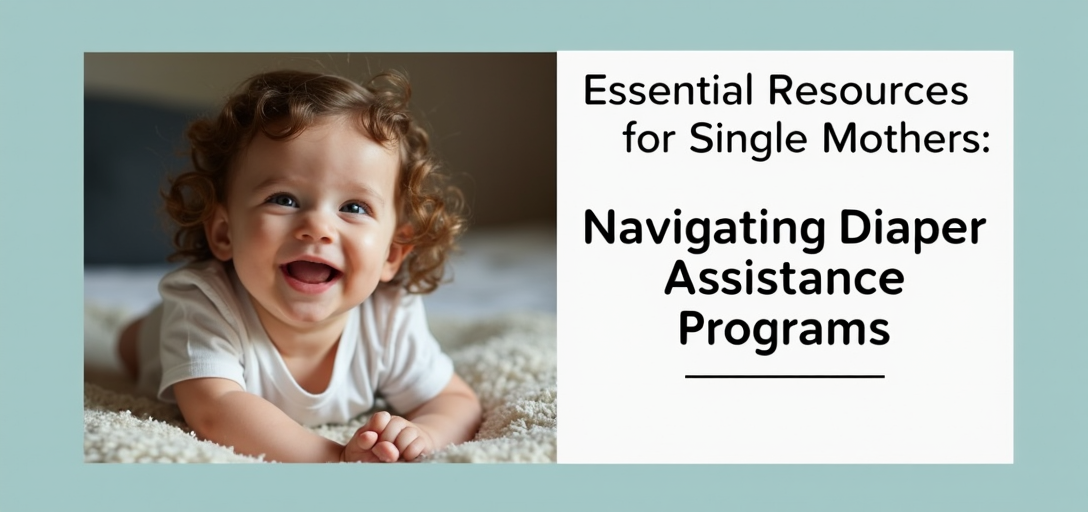
Essential Resources for Single Mothers: Navigating Diaper Assistance Programs
Discover how single mothers can find the support they need with our guide to diaper assistance programs. Learn about available resources, where to apply, and how these programs can ease the financial burden of buying diapers.
Understanding Diaper Assistance Programs
For single mothers, managing the expense of essentials like diapers can be daunting. Diaper assistance programs provide crucial support to alleviate this burden. But what are these programs, and how can they help? Let's explore the ins and outs of diaper assistance programs and how they can be a lifeline for single mothers.
What Are Diaper Assistance Programs?
Diaper assistance programs are initiatives established by government bodies, non-profit organizations, and community groups to supply diapers at no cost or a reduced cost to families in need. They aim to bridge the gap for families who might otherwise struggle to afford adequate supplies for their children.
Why Are Diapers So Important?
Diapers are an essential part of infant care. They provide hygiene, prevent diaper rash, and ensure that babies remain comfortable and healthy. However, the cost of diapers can quickly add up, with the Child Trends institute noting that infants require between six to twelve diapers a day, translating to a significant monthly expense.
Accessing Diaper Assistance Programs
Eligibility Criteria
The eligibility requirements for diaper assistance programs can vary. Generally, these programs target low-income families, with single mothers being a primary focus. Here are some common eligibility criteria:
- Proof of financial hardship
- Residency within the area served by the program
- Evidence of guardianship or custody of a child in need of diapers
Where to Find Diaper Assistance Programs
Single mothers can access diaper assistance through various channels:
- Local Non-Profits: Organizations such as The National Diaper Bank Network provide comprehensive directories to help locate nearby diaper banks.
- Community Centers: Check with local community centers, which often partner with larger networks to distribute diapers.
- Online Platforms: Websites like 211.org offer resources and information about local assistance programs.
Benefits of Diaper Assistance Programs
Financial Relief
One of the primary benefits of these programs is the financial relief they provide. By offering or subsidizing the cost of diapers, single mothers can allocate their limited resources to other critical needs, such as rent, utilities, and food. The Urban Institute highlights that this financial reprieve can significantly reduce maternal stress and improve family stability.
Improved Child Health
With an adequate supply of diapers, children can avoid prolonged exposure to wet or soiled diapers, which reduces the risk of skin infections and diaper rash. Access to a fresh supply also contributes to better health outcomes and overall child well-being.
Community Support
Diaper assistance programs often come coupled with additional support services, such as parenting classes, nutritional advice, and access to pediatric care. These services help build a supportive community around single mothers, offering them access to a comprehensive resource network.
Challenges and Considerations
Stigma and Awareness
Despite the significant benefits, a stigma associated with seeking assistance can prevent eligible mothers from applying. Increasing awareness and normalizing the use of such programs are crucial to ensuring that aid reaches everyone in need.
Supply and Demand Issues
Some programs face challenges with supply shortages and balancing demand. Community initiatives and partnerships with larger organizations can alleviate these issues, but it remains an ongoing concern for many areas.
The Road Ahead
As awareness around diaper need continues to grow, the impact of diaper assistance programs becomes increasingly evident. With ongoing advocacy and support from communities, these programs can expand to serve even more of the growing need. In 2026, initiatives that focus on sustainability and expansive network collaborations will further strengthen the support system for single mothers.