Essential Safety Tips: Devices You Should Unplug Before Bed
Discover why certain devices should never be left plugged in overnight. While modern gadgets are more efficient, keeping them connected can lead to increased energy costs and potential safety risks. Explore simple habits to help you save electricity and ensure safety at home.
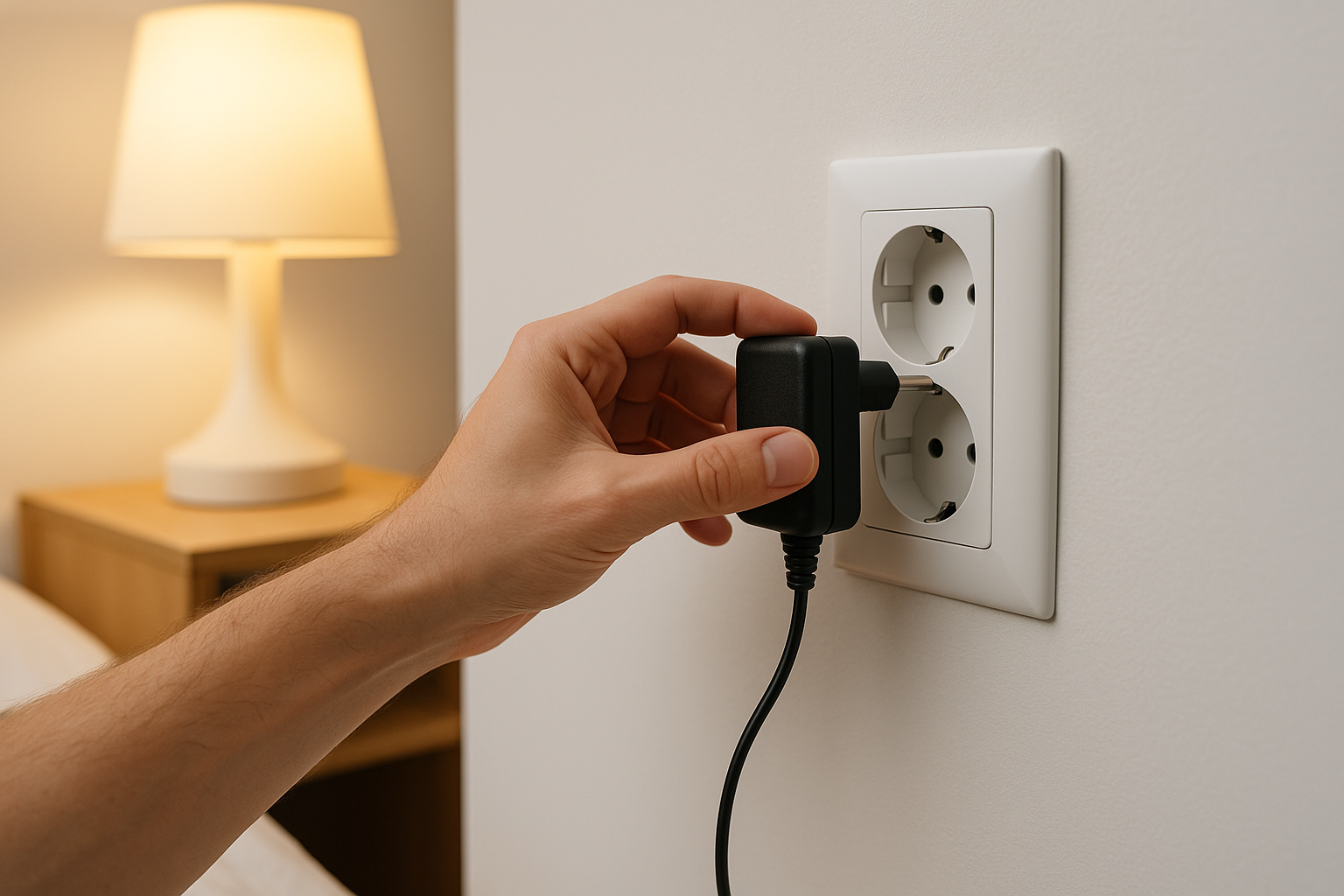
Understanding the Risks: Why You Shouldn't Leave Certain Devices Plugged In Overnight
With the surge of technology in our daily lives, it's common to have multiple devices and appliances plugged in at all times. However, safety experts often advise against leaving certain items plugged in overnight. This goes beyond merely conserving energy — it extends into safety and longevity concerns. Let's delve into the details of why unplugging can be beneficial.
The Potential Hazards of Leaving Devices Plugged In
Leaving devices plugged in overnight may not seem problematic at first, but it carries several risks, including:
- Fire Hazards: Devices can overheat if left charging or plugged in continuously, increasing the risk of electrical fires.
- Energy Consumption: Devices often continue to draw power even when not in use, contributing to higher energy bills.
- Device Longevity: Keeping devices plugged in for extended periods can deteriorate their battery life.
Devices You Should Never Leave Plugged In Overnight
Here are some specific devices that experts recommend unplugging before heading to bed:
- Smartphones and Tablets: Overcharging can lead to battery swelling and reduced efficacy over time.
- Laptops: Continuous charging can put strain on the battery, shortening its lifespan.
- Kitchen Appliances: Devices like toasters and coffee makers can be fire hazards if left powered on unnecessarily.
- Wi-Fi Routers: Although less of a safety concern, these can still consume significant power; resetting them regularly can also enhance network security.
Recent Studies and Statistics
According to a 2026 report by the U.S. Consumer Product Safety Commission, over 25,000 house fires annually can be traced back to electrical faults commonly associated with continuous charging and plugged devices [source]. Another study by the Energy Saving Trust suggests that unplugging electronics when not in use can save the average household about $200 per year in electricity costs [source].
Practical Tips for Preventing Overnight Charging Issues
To mitigate risks associated with leaving devices plugged in, consider these measures:
- Utilize Smart Plugs: These devices can be programmed to cut off power at set times, preventing overnight charging.
- Invest in Surge Protectors: Protect your devices from power surges and reduce the risk of electrical fires.
- Establish a Nightly Routine: Make unplugging non-essential devices a part of your pre-bedtime ritual.
Real-world Examples
A homeowner in Texas reported avoiding a potential fire by unplugging their appliances after discovering evidence of overheating in their coffee maker. Similarly, a tech-savvy college student saw a significant improvement in smartphone battery life by adopting the habit of unplugging once the battery reached 80% charge.
Conclusion: The Importance of Awareness and Action
Remaining mindful of the devices we leave plugged in is crucial not only for energy conservation but also for safety and extending the life of our gadgets. By implementing simple practices like unplugging and using smart plugs, you can mitigate risks and contribute to a more sustainable household routine. As technology continues to evolve, staying informed and adaptable to best practices will help you manage your devices wisely.