Essential Signs Your Roof Might Need Replacing Soon
Wondering what the signs that a roof needs replacement are? Learn how to identify key indicators and protect your home. From spotting water damage to recognizing agerelated wear, knowing the warning signals can help you decide when it's time for a new roof.
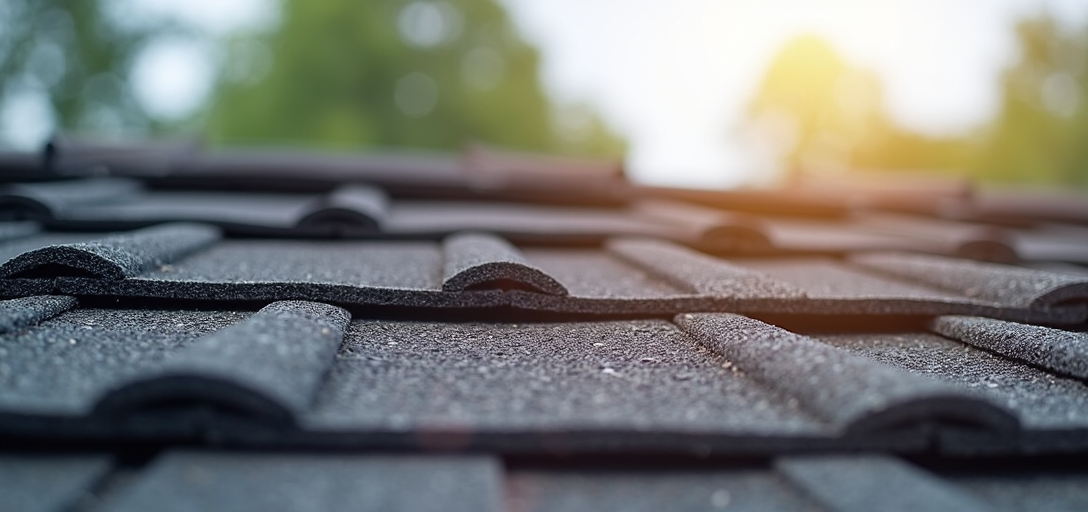
Understanding the Basics: Why Roof Replacement Matters
Your roof is one of the most critical components of your home, offering protection against the elements and contributing significantly to your house's overall structural integrity. In the United States, where weather patterns can be unpredictable and vary greatly across regions—from hurricanes in the Southeast to heavy snowfall in the Northeast—ensuring that your roof is in optimal condition is vital. This article will explore the key signs that a roof needs replacement and provide insights into making informed decisions about this crucial aspect of home maintenance.
The Average Lifespan of Different Roofing Materials
A good starting point in understanding when a roof might need replacement is knowing the expected lifespan of various roofing materials:
- Asphalt Shingles: Typically last 20 to 30 years. They are the most common roofing material due to their affordability and ease of installation.
- Wood Shingles: Have an expected lifespan of 25 to 30 years, though they require regular maintenance to prevent issues like rot and mold.
- Metal Roofs: Can last anywhere from 40 to 70 years, depending on the material. Metal roofs are known for their durability and resistance to extreme weather conditions.
- Clay or Concrete Tiles: Known for their longevity, these materials can last 50 years or more, ideal for areas with hot climates.
- Slate Roofs: Often last over 75 years, making them one of the most durable roofing options available.
Key Signs That a Roof Needs Replacement
A roof needing replacement often reveals itself through various signs, many of which are visible to the untrained eye. Here are crucial indicators that your roof might be due for replacement:
1. Existence of Curling, Cracked, or Missing Shingles
One of the easiest signs to spot is the condition of your shingles. If they are curling at the edges, cracked, or missing altogether, this is a strong indicator that your roof is nearing the end of its lifespan. Extreme weather conditions—common in many parts of the US—can accelerate this wear and tear.
2. Evidence of Roof Leaks
Water damage is a serious concern and a surefire sign that roof replacement may be necessary. Signs include water stains on ceilings or walls, sagging roof decks, or leaks in the attic. Addressing leaks immediately is critical to prevent extensive structural damage and potential mold growth, which can impact indoor air quality.
3. Granules in Gutters
Check your gutters for large deposits of granules, which are often a sign of roof deterioration. Asphalt shingles tend to shed granules as they age, and if you find these in your gutters, it might be time to evaluate your roof's health.
4. Light Passing Through Roof Boards
If you can see daylight coming through roof boards in your attic, it might indicate that the structural integrity of your roof is compromised. A thorough inspection by a professional is recommended if you notice this phenomenon.
Considering a Roof Replacement: Factors and Decision Making
Assessing the Cost
Roof replacement is a significant investment, with costs in the US typically ranging from $8,000 to $15,000, depending on the size of your home and the materials chosen. Investing in high-quality materials can reduce long-term maintenance costs and increase your home's resale value. The National Association of the Remodeling Industry (NARI) provides a comprehensive guide on materials costs for 2026, which can be helpful during planning.
Evaluating Timing and Urgency
Timing is essential when planning a roof replacement. It's best to undertake this project during dry seasons when weather conditions won't interfere with the work. In the US, spring and early summer are optimal for most regions.
Hiring Professionals
Selecting a reputable contractor is critical. Look for companies with solid references, valid licenses, and positive customer reviews. The Better Business Bureau is an excellent resource for finding credible roofing professionals.
Maintaining Your New Roof
Once you've invested in a new roof, regular maintenance is key to ensuring its longevity. Here are steps you can take to maintain your roof:
- Regular Inspections: Conduct bi-annual inspections, especially after severe weather, to identify and rectify any potential issues early.
- Clean Gutters: Keeping gutters clean prevents water from backing up and potentially damaging your roof and home's foundation.
- Address Small Repairs Quickly: Nip problems in the bud by fixing small issues as they arise, which can prevent minor issues from becoming major repairs.
Conclusion
Understanding when to replace your roof and making informed decisions about materials and contractors are essential parts of maintaining your home's value and ensuring its protection for years to come. By recognizing the signs of roof deterioration early and taking proactive steps toward replacement, homeowners across the US can save money in the long run and enjoy peace of mind knowing their homes are secure.