Essential Steps Every Homeowner Should Take Following Water Damage
Discover essential steps homeowners should take after water damage strikes. From assessing the extent of damage to considering professional help, stay informed on your options for recovery.
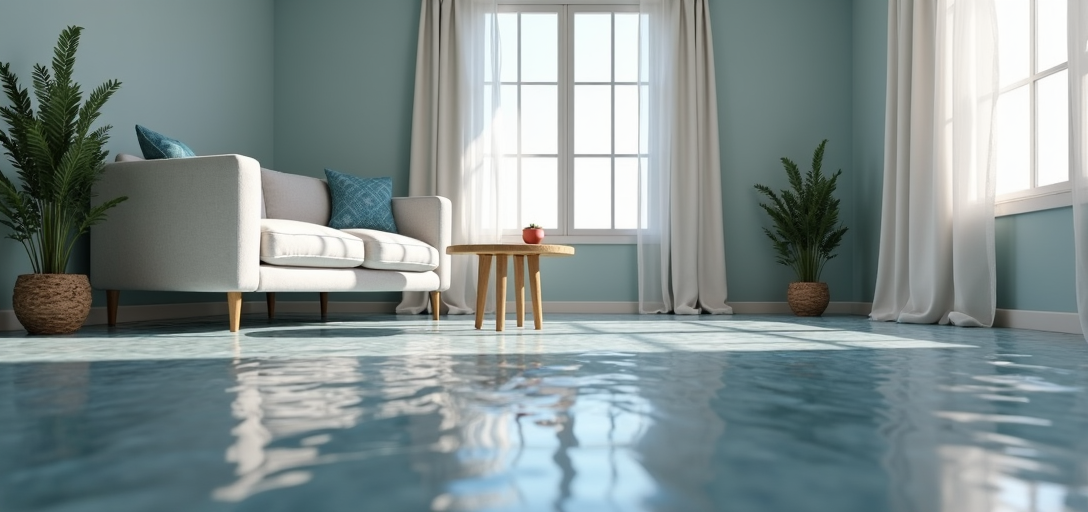
Understanding Water Damage: The Basics
Water damage in the home can occur due to various reasons including natural disasters, plumbing failures, or roof leaks. According to recent statistics by the National Flood Insurance Program (NFIP), about 14,000 people in the U.S. experience a water damage emergency at home or work each day in 2026. Understanding how to respond effectively is crucial in mitigating damage and preserving your property.
Common Causes of Water Damage
- Natural Disasters: Heavy rains, hurricanes, and floods can lead to significant water ingress.
- Plumbing Issues: Burst pipes, leaks, or broken appliances like dishwashers and washing machines.
- Roof Leaks: Aging roof materials and insufficient gutter systems can allow water seepage.
Immediate Steps Homeowners Should Take
When you first discover water damage, acting swiftly can minimize harm and potential costs. Here are some immediate steps to follow:
- Turn Off Water Source: If possible, locate and shut off the main water valve to prevent further water invasion.
- Power Down: Turn off electricity in affected areas to prevent any electrical hazards.
- Document the Damage: Take photographs or videos of all affected areas for insurance purposes.
- Contact Professionals: Reach out to a water damage restoration service to begin the cleanup process.
The Cleanup Process
Once immediate actions are addressed, focus turns to cleaning up the affected area. The cleanup process is vital to prevent mold growth and additional structural damage. Professional restoration services often follow these steps:
Assessment and Inspection
Professionals will assess the level of damage using advanced tools like moisture detectors and thermal cameras. This helps determine the extent of water penetration and areas needing the most attention.
Water Removal
Using powerful pumps and vacuums, professionals extract standing water quickly, minimizing the chance of secondary water damage and mold buildup. Modern extraction technology can remove thousands of gallons of water in a short time.
Drying and Dehumidification
This step involves using industrial strength dehumidifiers and air movers to dry out the affected structure. It’s critical as moisture left in materials increases the risk of mold growth. The Environmental Protection Agency (EPA) notes that mold can start growing as quickly as 24 to 48 hours after water intrusion.
Cleaning and Sanitizing
Water damage can leave harmful contaminants. Restoration companies use special treatments to clean and sanitize items that can be restored. This might include antimicrobial treatments and deodorization to ensure a safe living space.
Restoration
This is the final step, where repairs are made to return the home to its pre-damaged condition. This can involve minor repairs or major reconstruction, depending on the extent of the damage.
Preventing Future Water Damage
Once your home is restored, taking steps to prevent future damage is essential. Regular maintenance and precautionary measures can save time and money down the road.
Home Maintenance Tips
- Inspect and Repair Roofing: Regularly check for worn shingles or leaks.
- Maintain Your Plumbing: Keep an eye out for leaks in faucets or pipes and repair them swiftly.
- Gutter Maintenance: Ensure that gutters and downspouts are clear of debris to allow for proper drainage.
- Install Water Detection Devices: These can alert you to unwanted moisture or leaks in vulnerable areas.
Insurance and Financial Considerations
Dealing with insurance after water damage can be daunting. Understanding your coverage can smoothen the claims process.
Understanding Your Policy
In 2026, many U.S. homes are covered by homeowner's insurance, but policies vary on what they cover concerning water damage. It’s crucial to know what is and isn't covered, as flood damage often requires separate insurance.
Filing a Claim
Promptly report the water incident to your insurance provider. Provide them with the documentation of damaged areas, receipts for emergency repairs, and any other relevant information. According to a 2026 survey by Insurance Information Institute, early communication can expedite the process significantly.
Working with Professionals
Collaborating with skilled professionals for the restoration process ensures that your home is in safe hands and recovery is thorough.
Selecting the Right Restoration Professional
Look for companies with proper certification, such as those accredited by the Institute of Inspection, Cleaning and Restoration Certification (IICRC). A certified company will follow up-to-date, industry-standard procedures and techniques, giving you peace of mind.
Conclusion
Dealing with water damage can be overwhelming, but with quick action, proper cleanup, and preventive measures, homeowners can protect their property and future. Being informed and prepared are your best tools for combatting the unexpected challenges water damage can pose.