Essential Steps for Homeowners to Recover from Water Damage
Discover key steps you can take after water damage devastates your home. From assessing the impact to starting cleanup, homeowners are guided through vital actions that can help alleviate the stressful aftermath of water damage.
Understanding Water Damage in the Home
Water damage can occur in many forms, from small leaks to major floods, and can cause significant harm to both the structure of a home and the possessions within it. As a homeowner in the U.S., knowing what steps to take immediately after experiencing water damage is crucial to minimizing long-term damage and expenses.
Identifying the Source
The first critical step is to identify where the water is coming from. This can greatly influence the measures you'll need to take. Common sources of water damage include:
- Leaking pipes – May occur in walls and ceilings, often due to age or corrosion.
- Roof leaks – Typically occur due to missing or damaged shingles or flashing.
- Natural flooding – Heavy rains or storms can cause water to intrude from outside.
- Appliance malfunctions – Dishwashers, washing machines, or water heaters can sometimes fail and leak.
Identifying whether the water is clean, gray, or black is also important. Clean water could stem from a rain leak, whereas gray and black water, often from sewage or water contaminated with chemicals and bacteria, requires urgent attention and professional handling.
Immediate Actions to Take
Once you have identified the source, you should take steps to mitigate further damage. Here’s what you should do immediately:
Turn Off Water and Power
If possible, turn off the main water supply to prevent more water from entering the home. Additionally, shut off the electricity in affected areas to prevent electrical hazards, especially if water has reached electrical outlets or appliances.
Document the Damage
It is crucial to document all damage for insurance claims. Take detailed photos and videos of all affected areas and contents. This documentation can also aid professional services in understanding the extent of the damage.
Remove Excess Water
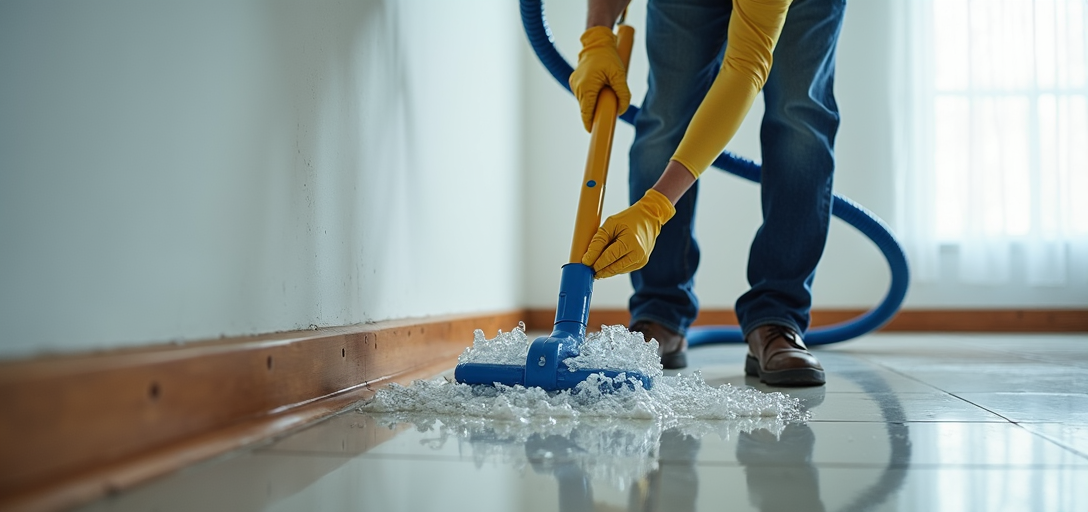
Tackle standing water as soon as possible by using pumps, buckets, or wet/dry vacuums. Speed is critical here, as stagnant water can lead to mold growth and further structural damage.
Assessing the Damage
Once immediate actions are taken, a thorough assessment of the damage can help determine the next steps.
Inspect for Mold and Mildew
Mold can start growing within 24-48 hours after water exposure. Inspect areas carefully and consider professional evaluation if mold is detected, as it can pose health risks.
Evaluate Structural Damage
Examine walls, floors, and ceilings for signs of structural damage such as warping, sagging, or softening materials. This should be assessed by a professional to determine the need for repairs or replacement.
Engaging with Professional Services
Depending on the extent of the damage, professional intervention may be necessary for a complete recovery.
Restoration Companies
Professional water damage restoration companies have the equipment and expertise necessary to remove water quickly, prevent mold, and restore your home. They can also handle complex repairs beyond the capabilities of a typical homeowner.
Insurance Claims
Contact your insurance company to report the damage. They can provide guidance on coverage, next steps, and recommended service providers. Reliable coverage may include structural repairs, cleanup, and replacement of damaged belongings.
Prevention and Future Preparedness
Once your home is on the road to recovery, consider these steps to prevent future incidents:
Regular Maintenance
Conduct regular inspections of roofs, plumbing, and appliances. Ensure gutters and downspouts are clear and functioning properly to divert rainwater away from your home's foundation.
Installations and Upgrades
Consider investing in water leak detection systems that alert you to leaks before they become large-scale issues. Additionally, upgrade to water-resistant building materials in vulnerable areas like basements and bathrooms.
Concluding Thoughts
Handling water damage promptly and effectively can save significant time, money, and effort in the long run. Educate yourself on the immediate actions, effective damage assessment, and engage professional services when necessary. By taking preventive measures, you can safeguard your home against future water damage incidents.
For more information, consider reviewing resources such as the Federal Emergency Management Agency (FEMA) and the American Red Cross which offer guidance on handling various types of home emergencies.