Essential Steps for Homeowners to Recover from Water Damage
Discover essential steps homeowners can consider after facing water damage, a common challenge that can impact any property. Being wellinformed may help mitigate further issues and guide a smoother recovery process.
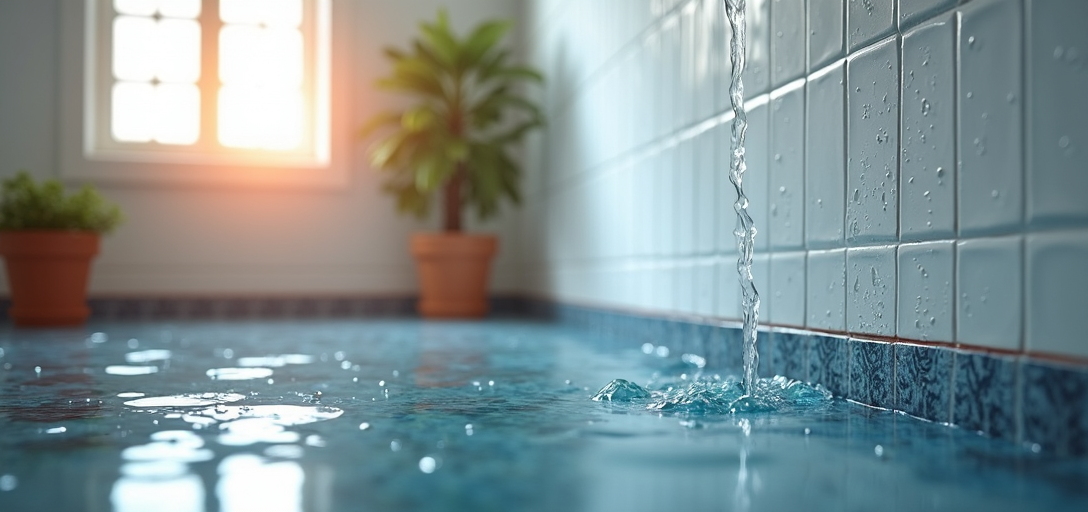
Understanding Water Damage: Causes and Consequences
Water damage is a prevalent issue that homeowners across the United States face, often leaving them uncertain about what steps to take. Understanding the causes and potential consequences is crucial in addressing water damage effectively.
Common Causes of Water Damage
- Weather Events: Heavy rains, hurricanes, and flash floods can lead to significant water infiltration into homes.
- Plumbing Problems: Burst pipes, leaking faucets, or malfunctioning appliances like dishwashers or washing machines are frequent culprits.
- Structural Deficiencies: Poor drainage, inadequate waterproofing, or compromised roofing can allow water to penetrate your home.
Consequences of Ignoring Water Damage
Failing to address water damage promptly can result in severe issues. These might include mold growth, which poses health risks, and structural decay, which can depreciate property value. According to a 2026 report from the Environmental Protection Agency (EPA), mold can begin to grow within 24-48 hours in damp environments.
Immediate Actions to Take After Water Damage
Once water damage is identified, timely intervention is essential to mitigate further harm. Here are the immediate steps homeowners should consider:
Ensure Safety First
- Electrical Safety: Disconnect power to affected areas to prevent electrical hazards.
- Personal Safety: Wear protective clothing if entering water-damaged areas to avoid exposure to contaminants or injury.
Document the Damage
For insurance purposes, it is beneficial to document the extent of the damage. Take clear photographs and videos of the affected areas before any cleanup or restoration efforts begin. This evidence can be crucial when filing claims with your insurance company.
Contact Your Insurance Company
Review your homeowner’s insurance policy and contact your insurer promptly. Provide them with the documentation of the damage. Most policies cover specific water damage scenarios, but understanding your coverage is vital. The National Association of Insurance Commissioners (NAIC) offers resources for understanding coverage policies in the US.
Assessing and Mitigating Water Damage
Conduct a Thorough Assessment
Inspect the property to identify the source of water ingress and the extent of the damage. Areas like basements, attics, and crawl spaces often require particular attention as they are prone to unnoticed seepage and can harbor hidden damage.
Begin Water Extraction and Drying
Use pumps and wet vacuums to remove standing water efficiently. Ventilate the area with fans and dehumidifiers to reduce moisture levels and prevent mold growth.
Remove Damaged Materials
Dispose of items that have absorbed water and cannot be salvaged like carpets, wooden furniture, and upholstery. Gypsum board and electrical fixtures that have been saturated may also need replacement.
Repair and Restore Your Property
After emergency mitigation, focus on the restoration of your property. This involves addressing structural repairs, replacing damaged materials, and ensuring measures are in place to prevent future incidents.
Prioritize Structural Repairs
Engage professional services to evaluate and address any structural damage to the foundation, walls, or roofing. This may involve replacing compromised materials or reinforcing the structure to meet safety standards.
Prevent Future Water Damage
- Improved Water Management Systems: Install sump pumps and ensure proper drainage around the foundation.
- Regular Maintenance: Regularly inspect your plumbing and roofing, and clear gutters of debris.
- Advanced Measures: Consider flood barriers or waterproof coatings for at-risk areas.
Implementing these steps can significantly reduce the risk of recurring damage. Data from the Federal Emergency Management Agency (FEMA) in 2026 highlights the importance of proactive measures in mitigating future risks.
Final Thoughts: Staying Proactive and Prepared
Understanding and managing water damage requires a proactive approach. By taking timely action and adopting preventive measures, homeowners can protect their properties and minimize potential losses. Staying informed about the latest safety and mitigation practices is vital for effective home management, ensuring peace of mind and safeguarding your investment against future water-related challenges.