Essential Steps for Homeowners to Take After Experiencing Water Damage
Facing water damage in your home can be overwhelming, but knowing what to do next is crucial. Homeowners must act swiftly to mitigate further damage while considering professional help.
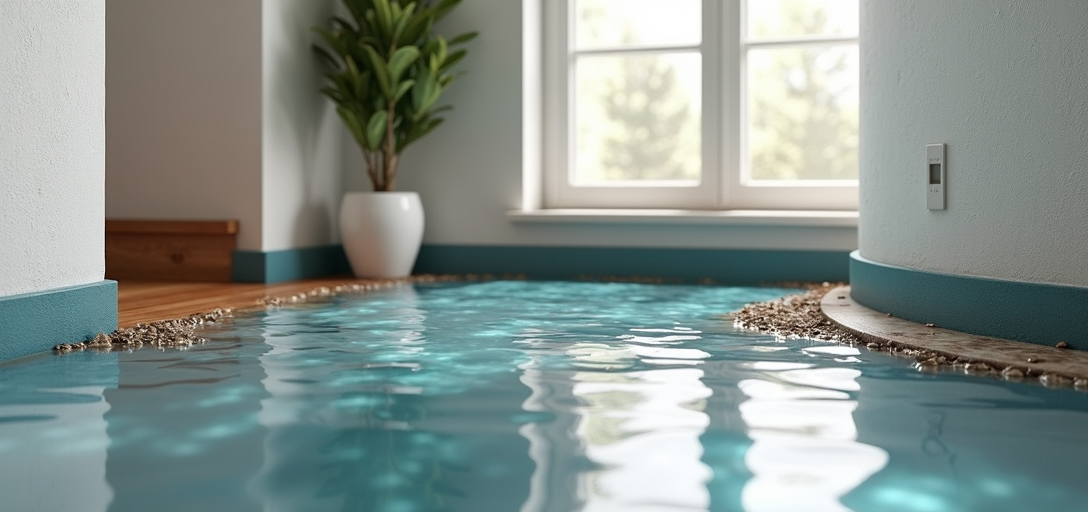
Understanding Water Damage
Water damage is a common issue that affects numerous homeowners in the United States each year. According to the National Flood Insurance Program, about 20% of all insurance claims are related to water damage, making it a prevalent concern for property owners. Whether caused by natural disasters like hurricanes and floods, or issues such as burst pipes and leaking roofs, the aftermath can be daunting. Understanding the nature of water damage and its potential impact can help homeowners take the right steps when disaster strikes.
Immediate Steps to Take After Water Damage
1. Ensure Safety First
Before addressing any water damage, prioritize safety. Ensure that the property is safe to enter. Water and electricity are a dangerous combination, so it is crucial to turn off the power supply in affected areas to prevent electrocution risks. If flooding is significant, wait for authorities to declare the area safe.
2. Stop the Water Source
Identifying and halting the source of water is critical to minimize further damage. If the water is coming from a burst pipe or internal source, turning off the main water supply can prevent more flooding. For homeowners facing a natural disaster-induced flood, this might mean placing sandbags or taking measures to divert water flow.
3. Document the Damage
Thorough documentation is vital for insurance claims. Take clear photos and videos of all affected areas and damaged items. Make a detailed inventory of the damaged possessions and their estimated value. This documentation will support any claims you file with your insurance provider.
How to Start the Cleanup Process
1. Remove Standing Water
Quick removal of standing water is crucial to prevent further damage such as mold growth. Homeowners can use sump pumps, wet vacuums, or hire professionals to extract water efficiently. Ensure to wear protective gear if you're handling the cleanup yourself, as stagnant water may contain harmful bacteria.
2. Dry and Disinfect the Area
Using fans, dehumidifiers, and proper ventilation can help dry out the affected areas. Drying should ideally begin within 24-48 hours to reduce mold risk. Disinfecting all surfaces is essential, especially if the water was contaminated. Use appropriate cleaning solutions to disinfect walls, floors, and furniture.
3. Dispose of Damaged Materials
Items that are porous and have absorbed water, like textiles, carpeting, and certain types of insulation, may need to be discarded. If doubt exists about an item’s salvageability, consult a professional. Proper disposal is necessary to avoid potential mold growth and odor issues.
When to Call a Professional
Assess the severity of the water damage. If the damage is extensive or involves contaminated water (known as Category 3 water damage), such as sewage overflow, it’s advisable to contact water damage restoration professionals. These experts are equipped with the necessary tools and knowledge to safely restore your home.
Dealing with Insurance Claims
Navigating insurance claims can be daunting, but a systematic approach can facilitate the process. First, review your insurance policy to understand your coverage. Contact your insurance provider promptly to report the damage. Provide them with your documentation and any estimates for repairs or replacements.
- Get a Professional Assessment: Insurers sometimes require a professional assessment to evaluate the damage thoroughly. This assessment can also provide a more accurate estimate for repairs.
- Look for Preferred Vendors: Some insurance companies have a list of preferred vendors or contractors. Using these can sometimes expedite the claims process.
Preventive Measures for Future Water Damage
1. Regular Maintenance Checks
Routine maintenance can prevent many causes of water damage. Inspect roof tiles, gutters, and downspouts for damage and clean them regularly. Ensure plumbing systems are in good condition, and consider installing backflow valves to prevent sewage backups.
2. Install Preventive Technologies
Technological solutions like smart water sensors or automatic shut-off valves can provide real-time alerts for leaks or unusual water flow, helping mitigate water damage before it becomes extensive. These devices can be integrated with smart home systems for proactive monitoring.
3. Landscape Thoughtfully
Consider the elevation and drainage capacity around your home. Ensure that landscaping slopes away from the foundation to help prevent flooding during heavy rains. Installing french drains or extendable downspouts can direct water away effectively.
Conclusion
Water damage is a challenging experience for any homeowner, but being well-prepared can make all the difference. By understanding immediate steps to take, cleanup processes, when to involve professionals, and preventive measures, you can protect your home and investment. Stay informed and proactive, and consult with reliable resources when faced with water-related challenges. For more detailed guidance and updates, consider resources like the EPA and FEMA, which provide up-to-date information on water damage management.