Essential Steps to Monitor Your Oxygen Levels Safely at Home with COPD
Learn how to check oxygen levels at home with COPD safely and effectively. Discover simple methods and tools you can use to monitor your oxygen levels regularly. While these tips are helpful, they should not replace advice from a healthcare professional.
Understanding Oxygen Levels in COPD Patients
Chronic Obstructive Pulmonary Disease (COPD) is a progressive lung disease that affects millions worldwide. A critical aspect of managing COPD is monitoring oxygen levels, as the disease can inhibit optimal oxygen delivery to the body. Consequently, knowing how to check oxygen levels at home becomes crucial for patients and caregivers.
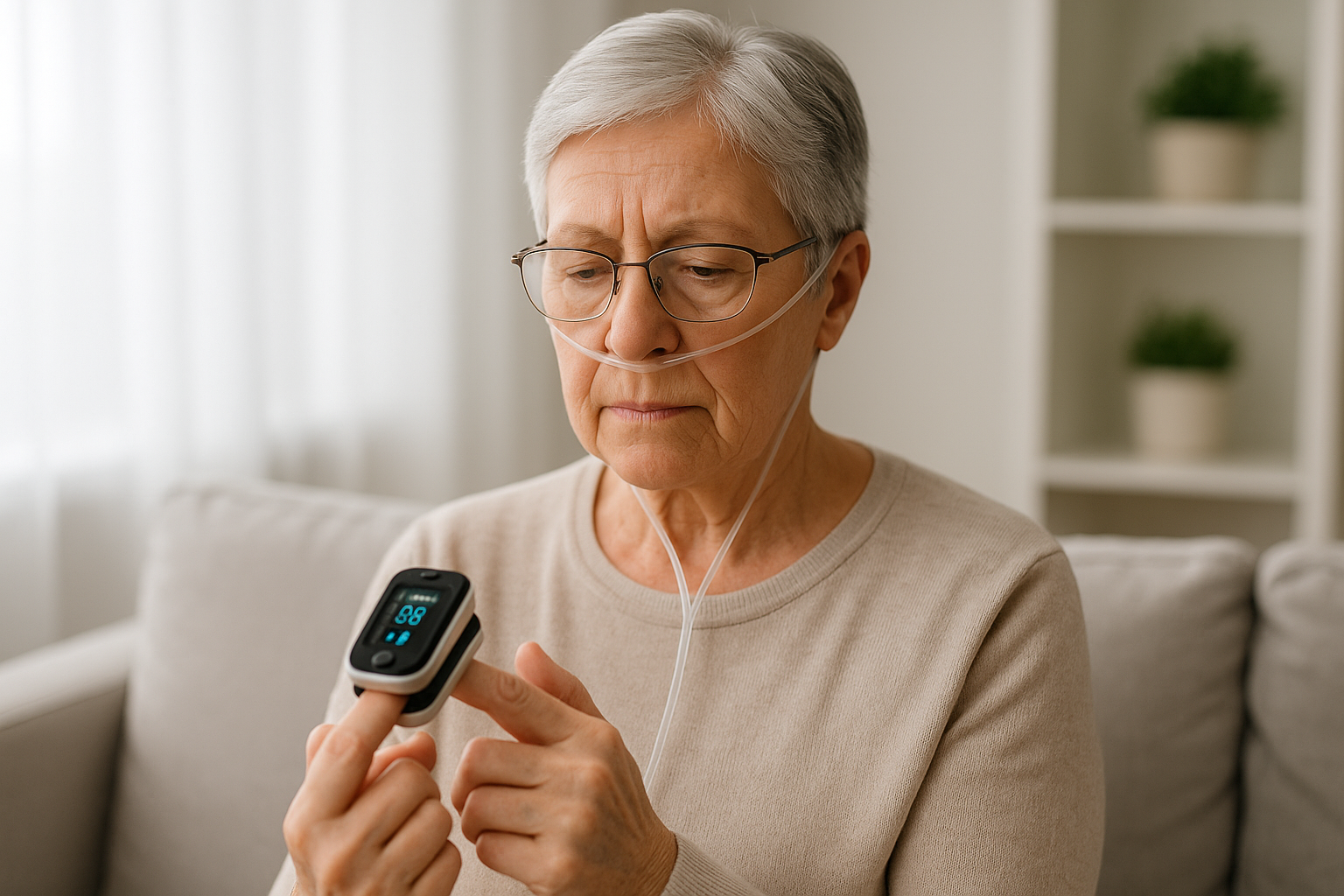
Oxygen levels are typically measured using a device called a pulse oximeter. This clip-like device is non-invasive, attaching to a fingertip to measure SpO2 levels, indicating the percentage of hemoglobin in the blood carrying oxygen.
How to Check Oxygen Levels at Home
The Role of a Pulse Oximeter
Using a pulse oximeter is simple and efficient, making it the preferred method for home monitoring of oxygen saturation. Follow these steps to ensure accurate readings:
- Positioning: Sit in a relaxed position and ensure that your hand is warm, as cold fingers can lead to inaccurate readings.
- Application: Place the oximeter on your index or middle finger. Ensure that your nail polish is removed, as it could impact the sensor's ability to detect oxygen levels.
- Reading and Documentation: Once in place, wait for the reading, typically displayed after a few seconds. It's beneficial to maintain a log of readings for comparison over time.
Keep in mind that while a normal SpO2 reading for healthy individuals is between 95-100%, COPD patients may have safe levels at or above 88%, depending on their specific condition and doctor’s advice.
Interpreting the Results
Understanding your oximeter readings is essential. Here are some guidelines for interpreting results:
- Normal Range: Keep an eye out for readings consistently between 90% and 95% for someone with COPD. Readings below this range might require medical attention.
- Low Readings: If your oxygen level drops below 88%, it is crucial to consult with your healthcare provider. This might indicate the need for supplemental oxygen.
- Consistently Low Levels: Consult a doctor if you frequently read below the recommended levels, as it could signify worsening COPD or another complication.
When to Seek Medical Attention
Consistently low oxygen levels—below 88%—or symptoms like increased breathlessness, confusion, or cyanosis (bluish skin) require urgent medical evaluation. These symptoms might indicate respiratory distress or failure, necessitating immediate action.
For COPD patients, it's essential to schedule regular check-ups and discuss any changes in your condition with your healthcare provider. Recent studies suggest that personalized COPD management plans can significantly improve patient outcomes. [Source]
Managing COPD with Technology
Telehealth and Remote Monitoring
Recent advances in telehealth have made it easier for COPD patients to manage their condition from home. Through apps integrated with pulse oximeters, patients can now send their oxygen levels directly to their healthcare providers, allowing for prompt intervention.
Moreover, telehealth platforms have shown promise in reducing emergency visits and improving quality of life for chronic disease sufferers. The integration of AI-driven tools is enhancing these platforms, personalizing care based on patient data. [Source]
Lifestyle Adjustments for Better Oxygen Levels
Apart from monitoring oxygen levels, adopting certain lifestyle changes can help manage COPD more effectively:
- Smoking Cessation: Quitting smoking is paramount as it can significantly slow disease progression and improve lung function.
- Exercise: Regular, moderate exercise can enhance respiratory muscle strength and improve cardiovascular health.
- Nutrition: A balanced diet rich in antioxidants can reduce inflammation and support overall lung health.
- Vaccinations: Staying up-to-date on vaccinations for influenza and pneumonia can prevent complications that exacerbate COPD symptoms.
Conclusion
Regular monitoring and understanding of oxygen levels at home play a crucial role in the effective management of COPD. Tools such as pulse oximeters, along with the support of telehealth innovations, can provide enhanced patient care and improve quality of life. By staying informed and proactive, COPD patients can maintain better control over their condition and reduce the risk of complications.