Essential Tips and Facts for Your Kitchen Remodel Journey
Are you thinking of a kitchen remodel? Discover essential tips to enhance your space and add value to your home without the hassle. From choosing the right materials to maximizing space efficiency, explore what to know before starting your kitchen remodel.
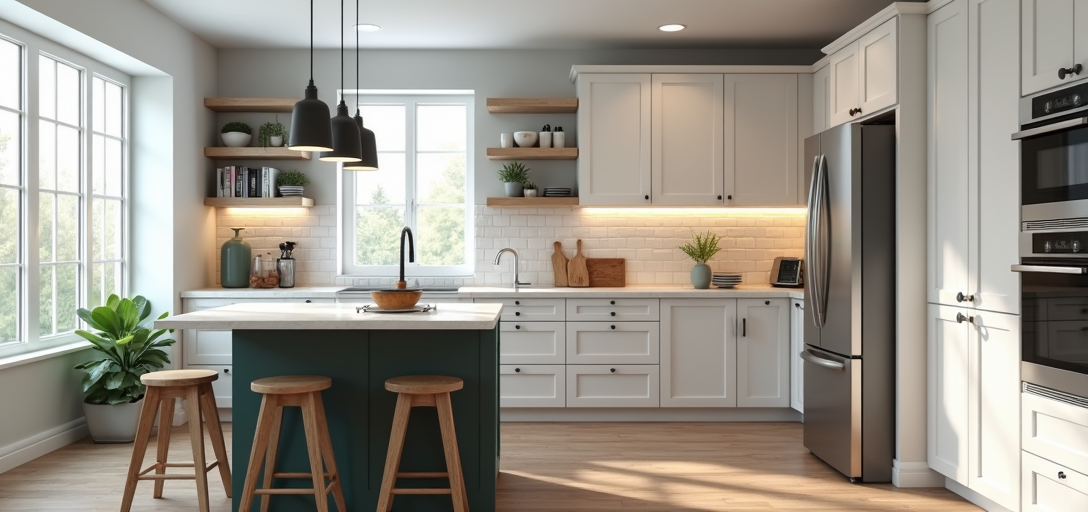
Understanding the Basics of a Kitchen Remodel
Embarking on a kitchen remodel journey is an exciting yet daunting process. It involves numerous decisions ranging from design aesthetics to functional layouts that suit your lifestyle. According to a 2026 report from the National Kitchen & Bath Association, kitchen remodels remain one of the most popular home renovation projects in the United States, making up approximately 35% of renovation activities nationwide.
Before diving into this undertaking, it's crucial to grasp the extent and type of remodel suited for your needs. Ask yourself: Do you need a complete overhaul, or will a cosmetic update suffice? Understanding your end goal helps in setting realistic expectations and defining a budget.
Key Considerations for a Successful Kitchen Remodel
Setting Your Budget
Budget planning is the cornerstone of any successful renovation. The average cost of a kitchen remodel in the US in 2026 ranges from $25,000 to $50,000 for a mid-range kitchen, according to the Remodeling Cost vs. Value Report. For an upscale remodel, this figure can exceed $100,000. It's advisable to allocate approximately 10-20% of your home’s value to your kitchen renovation.
- Identify areas where you want to splurge versus save. High-end appliances and custom cabinetry will consume a significant portion of your budget.
- Factor in unexpected costs. Setting aside an additional 10-20% of your budget for unexpected expenses is wise.
- Seek potential financing options if necessary, such as home equity loans or personal loans, to manage cash flow.
Choosing the Right Design and Layout
Functionality and aesthetics should harmonize in your new kitchen design. Assess your current kitchen layout and consider the changes that would most benefit your culinary habits. Popular layouts include galley, L-shape, U-shape, and open-concept designs.
In 2026, trends lean towards eco-friendly, sustainable materials and smart technology integration. Consider materials like bamboo or recycled wood for cabinetry and cutting-edge energy-efficient appliances.
Selecting High-Quality Materials and Appliances
Quality materials and appliances are integral to a lasting remodel. Opt for materials that provide durability and align with your aesthetic preferences. Solid wood cabinets, quartz countertops, and stainless steel appliances are popular choices.
- Cabinetry: Custom cabinets offer personalized solutions but at a higher cost, whereas semi-custom options offer flexibility at a mid-range price point.
- Countertops: Quartz remains a favorite due to its stain resistance and low maintenance.
- Appliances: Energy-efficient models not only cut utility costs but may also qualify for sustainable home improvement rebates.
Selecting Professionals for Your Remodel
Choosing the right professionals can make or break your remodeling experience. Whether it's a contractor, architect, or designer, ensure they have verifiable credentials and a track record of delivering quality work. The Better Business Bureau and customer review sites such as Angie’s List can provide insights into service providers’ reputations.
- Request detailed breakdowns of estimated costs from multiple contractors to compare pricing.
- Check references and past projects to evaluate the quality and style alignment with your vision.
The Timeline of a Kitchen Remodel
Pre-Construction Phase
This stage involves planning and securing permits, which can vary based on your local jurisdiction. Engagement with professionals early on ensures a smoother process. Anticipate spending 1-3 months in this initial phase.
Construction Phase
During construction, expect your home life to be disrupted. A typical mid-range kitchen remodel might last 2-3 months, pending the complexity of changes. Keep constant communication with your contractor to stay informed of progress and issues.
Post-Construction and Final Touches
After the main construction, there’s usually a period of cleaning and final inspections. This process ensures that all elements meet your expectations. It’s also the time to address any punch-list items with your contractor.
Addressing Common Remodeling Challenges
Every remodel comes with its unique set of challenges. Here are ways to tackle common pitfalls:
- Scope Creep: To prevent expanding project scope, adhere strictly to your initial plan and budget.
- Delays: Minimize delays by confirming availability of all materials and appliances before beginning construction. Constantly monitor the project timeline.
- Communication Issues: Maintain regular updates with your team to mitigate misunderstandings and ensure alignment.
Conclusion: Making Your Dream Kitchen a Reality
A kitchen remodel in the US comes with its series of complex decisions, from setting a budget to selecting quality materials. By taking a strategic approach and engaging reputable professionals, you can transform your space into a functional, aesthetically pleasing kitchen that serves as your home's heart. Remember, patience and planning are key to a successful renovation, ultimately adding significant value to your home and enhancing your daily life.
For further reading, delve into resources such as the National Kitchen & Bath Association or the Remodeling Cost vs. Value Report 2026 for detailed insights and current trends.