Essential Tips for Buying Second-Hand Doors: What Every Homeowner Should Know
Thinking about purchasing secondhand doors? Before you buy, understand the key factors that can impact your decision. From the quality and condition to the style and sizing, each aspect plays a role in finding the perfect match for your home.
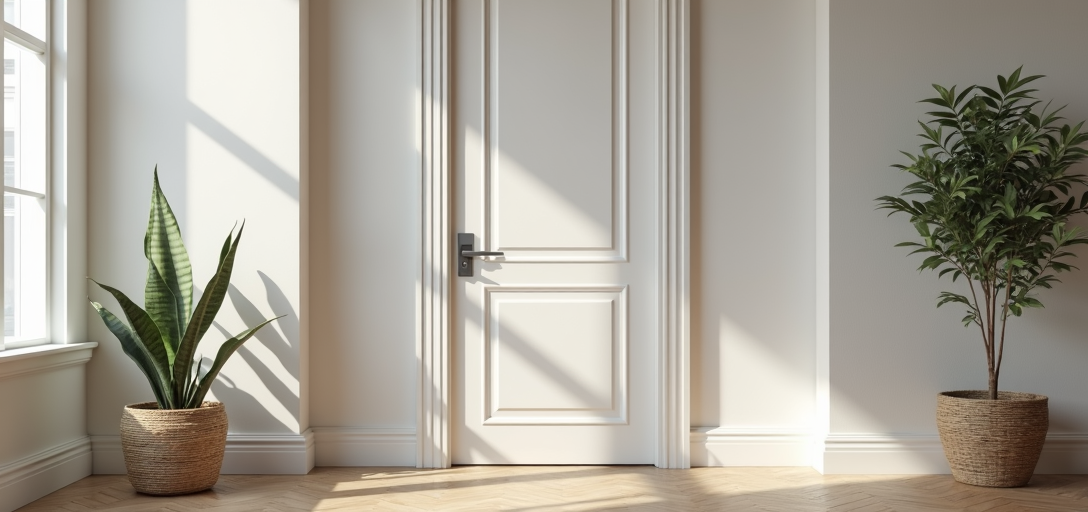
Understanding the Benefits of Second-Hand Doors
When it comes to home renovation or upgrades, second-hand doors offer a host of benefits that appeal to the eco-conscious, budget-savvy, and style-seeking homeowner. Understanding these benefits is crucial before making a purchase decision.
- Affordability: Second-hand doors are often available at a fraction of the cost of new ones, allowing homeowners to allocate their budgets to other essential areas of renovation.
- Sustainability: By choosing second-hand, you contribute to reducing waste and conserving natural resources, making it a greener option.
- Unique Styles: Vintage and antique doors can offer unique character and charm that are often hard to replicate with modern mass-produced options.
Economic Benefits: Lower Costs Without Compromising Quality
In 2026, the average cost of a new door installation in the US is around $1,000, but second-hand options can significantly lower that expense. This cost-effectiveness allows homeowners to explore high-end, previously-owned doors that fit within a tighter budget.
Evaluating the Condition of Second-Hand Doors
Before purchasing, evaluating the door's condition is crucial. Here’s what you should focus on:
- Material Integrity: Inspect the door for rot, warping, or any signs of structural weakness, especially if made from wood.
- Hardware and Fit: Check if the locksets, handles, and hinges are included and functioning. If not, factor in the cost of replacement hardware.
- Finish and Aesthetic: Look for scratches, dents, or peeling paint. While these can often be fixed, it’s essential to assess the level of effort required.
For more guidance, the This Old House website offers detailed inspection tips on evaluating second-hand materials.
Where to Find Quality Second-Hand Doors
Locating second-hand doors demands patience and a good strategy. Here are some recommended places:
Local Classifieds and Online Marketplaces
Platforms such as Craigslist and Facebook Marketplace are excellent resources. They allow you to see options nearby, saving on shipping and enabling personal inspection before purchase.
Architectural Salvage Stores
Salvage stores specialize in reclaimed building materials. Visiting these stores is like embarking on a treasure hunt, where you might find a hidden gem. Such stores also offer a wide range of vintage and antique doors.
Habitat for Humanity ReStores
ReStores sell gently-used home improvement goods, and proceeds help fund local Habitat for Humanity projects. This purchase supports a good cause besides offering excellent value for used doors.
Legal and Safety Considerations
While the appeal of second-hand doors is strong, it’s important not to overlook legal and safety aspects:
Compliance with Local Building Codes
Ensure the door complies with your local building regulations, particularly in terms of fire safety and egress standards. Non-compliance can result in fines and having to redo parts of the project.
Handling Potential Lead Paint
If the door is antique, it may contain lead-based paint. The Environmental Protection Agency (EPA) offers guidelines for safely handling and removing lead paint.
Revamping and Repurposing Second-Hand Doors
Once you’ve found the perfect second-hand door, it’s time to think about personalization:
- Refinishing: Sanding and repainting or varnishing can restore the door’s appearance or give it a new look entirely.
- Repurposing: Got door leftovers? Turn them into headboards, tables, or unique art pieces.
DIY Refurbishing Tips
With the DIY trend gaining traction, many choose to tackle refurbishing themselves. The internet offers countless resources like instructional videos to guide such projects, enhancing not just your home, but your skills.
Conclusion
Second-hand doors represent a practical blend of economy, sustainability, and aesthetic charm. By understanding the benefits, knowing where to shop, and considering all physical and legal aspects, homeowners can confidently make informed decisions to enhance their spaces.
For further data and trends on home renovations and second-hand markets, check recent publications from leading organizations like the Harvard Joint Center for Housing Studies.