Essential Tips for Choosing Reliable Used Industrial Tools
Unlock the potential of buying used industrial tools with our comprehensive guide. Discover costeffective strategies, learn about key factors to consider, and understand how to assess the value of secondhand equipment.
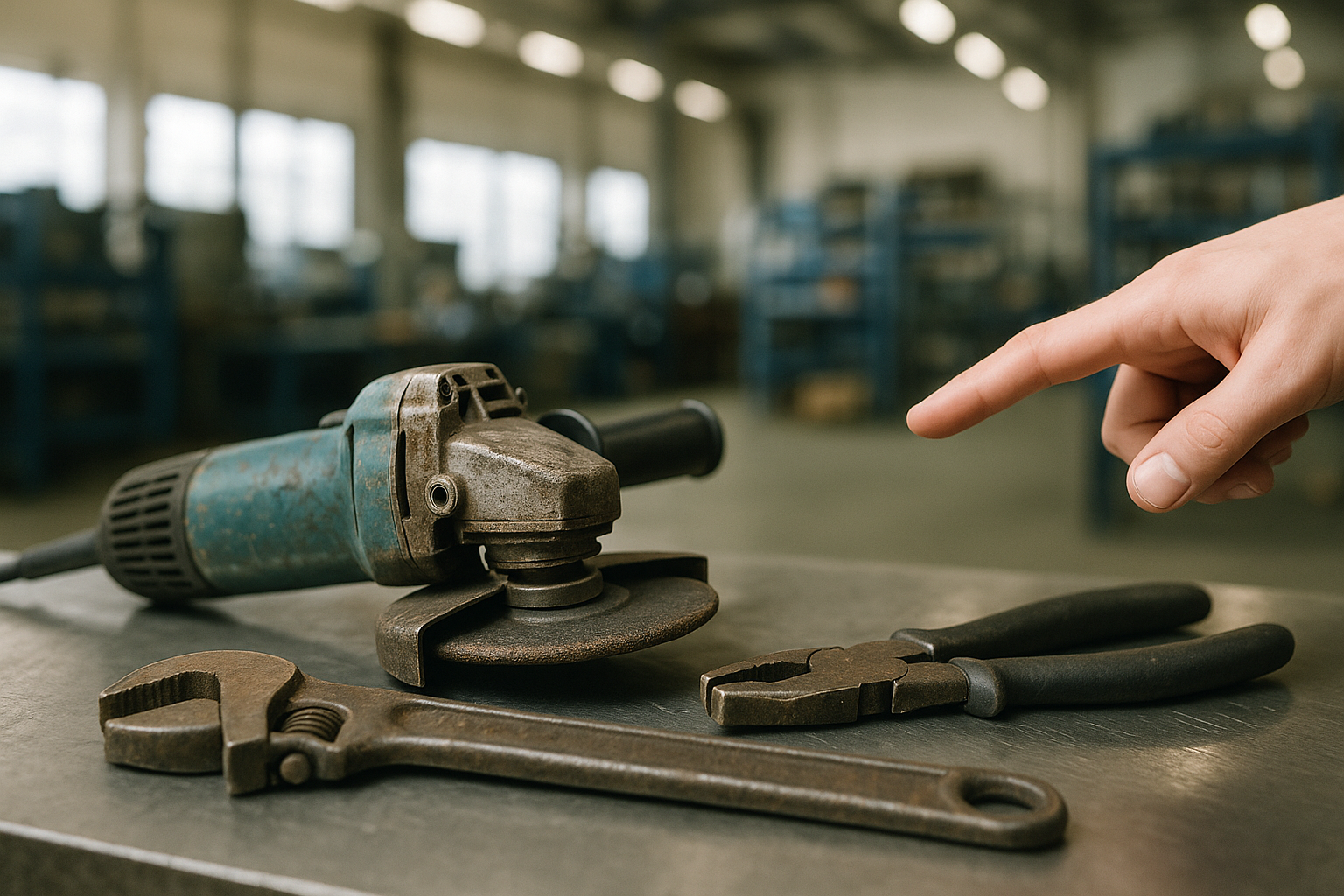
Why Consider Buying Used Industrial Tools?
Investing in used industrial tools can be a strategic decision for businesses and individuals alike. With the cost of new machinery often being prohibitive, buying used equipment is a budget-friendly alternative. Moreover, the market is ripe with quality options that can offer significant value without compromising on performance.
Used tools often have proven durability, and when selected wisely, they can continue to function effectively long after the initial purchase. For smaller businesses, startups, and hobbyists, this approach helps allocate financial resources more efficiently, enabling investment in other critical areas such as workforce training or marketing.
Factors to Consider When Buying Used Industrial Tools
Assessing Your Needs
Understanding the specific needs of your operation is the foundational step. Consider the type of projects you engage in, the frequency of tool usage, and the level of precision required. This will narrow down your choices and prevent the purchase of unsuitable equipment.
Budget Constraints
While used tools generally cost less than new ones, setting a clear budget helps in making practical decisions. Research current market prices and consider how the cost of a tool aligns with its potential return on investment.
Condition and Maintenance
The condition of a used tool is paramount. Examine key indicators such as wear patterns, functionality, and age. Tools that have been well-maintained or reconditioned by professionals provide better reliability. Request maintenance records from sellers to understand past care.
- Inspect for physical damages like cracks or excessive wear.
- Perform function tests to check operational efficiency.
- Ensure all safety mechanisms are intact and operational.
Where to Buy Used Industrial Tools?
Finding reputable sources is crucial in acquiring quality used industrial tools. The following are reliable options for sourcing equipment:
Online Marketplaces
Platforms like eBay, Craiglist, and dedicated industrial auction sites such as BidSpotter offer vast selections. Always review seller ratings and read customer reviews. In 2026, these platforms are seeing increased user ratings as they improve buyer protection measures. Better Business Bureau offers guidance for online transactions.
Local Vendors
Local equipment suppliers, particularly those specializing in industrial machinery, can provide hands-on assessments and often offer short-term guarantees. Building a relationship with a local supplier can also lead to better deals in the long term.
Auction Houses
Auction houses sometimes host events specifically for industrial tools. These venues allow for direct inspection of tools before bidding, making them a valuable resource if you are knowledgeable about what you are purchasing. Due to the economic shifts of 2026, more companies are liquidating unused assets, presenting opportunities for smart buyers.
Advantages and Risks of Buying Used Tools
Advantages
- Cost Efficiency: Used tools are significantly cheaper, providing immediate savings.
- Immediate Availability: Unlike new machinery, which might require lead times, used tools are usually ready for immediate use.
- Sustainability: Purchasing used tools supports recycling and reduces environmental impact.
Risks
- Unknown History: Without clear maintenance records, predicting future performance can be difficult.
- No or Limited Warranty: Used tools often come with limited warranties, demanding careful inspection before purchase.
- Potential for Hidden Damage: Some damages might not be immediately visible, potentially leading to future expenses.
Conclusion: Making Informed Decisions
The decision to purchase used industrial tools should come after careful evaluation and understanding of your specific needs, financial situation, and the reliability of potential purchases. Engage with experienced professionals and leverage both offline and online resources for the best deals.
Finally, keep up with the latest industry trends and reports for the most informed choices. According to a 2026 report by Market Place Insights, the industrial tools market has seen a 12% increase in the resale of used machinery, emphasizing its growing popularity and viability as a purchasing strategy.