Essential Tips for Choosing the Right Laser Skin Treatment
Laser skin treatments offer exciting possibilities for rejuvenating your skin, but knowing the procedure details can make all the difference.
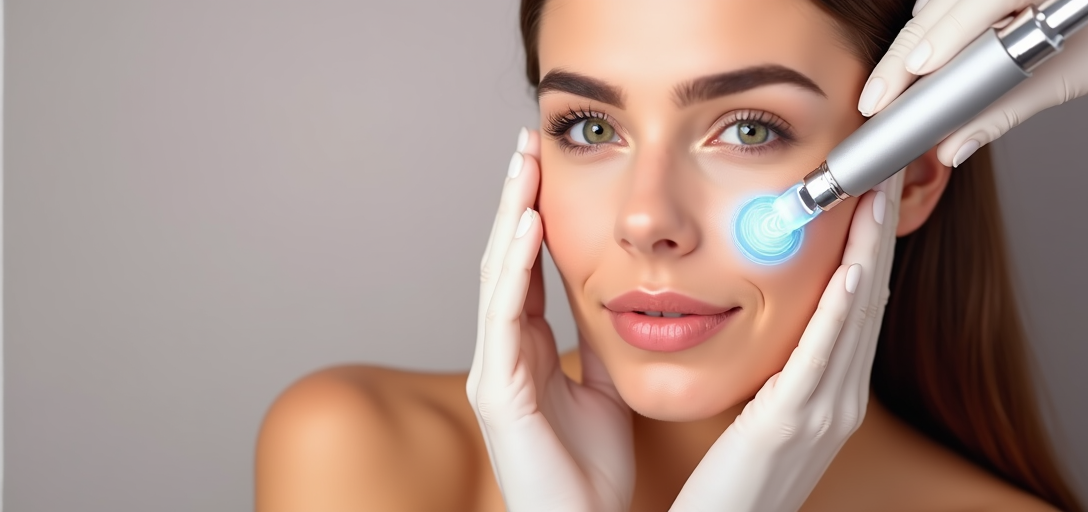
Understanding Laser Skin Treatments
In recent years, laser skin treatments have become increasingly popular in the United States for their effectiveness in addressing various skin concerns. Whether you’re dealing with acne scars, sun damage, or signs of aging, laser treatments offer a viable solution. However, like any medical procedure, it’s vital to have all the facts before making a decision.
What Are Laser Skin Treatments?
Laser skin treatments use focused light to penetrate the skin, promoting cellular regeneration and stimulating collagen production. Depending on the specific laser treatment, this approach can achieve resurfacing, tightening, or pigment correction. Popular types include laser resurfacing, fractional laser therapy, and intense pulsed light (IPL) therapy.
Questions to Consider Before Choosing a Laser Skin Treatment
What Skin Issues Can Laser Treatments Address?
Laser skin treatments are versatile and can be used to treat a variety of conditions, including:
- Fine lines and wrinkles
- Acne scars
- Hyperpigmentation and sunspots
- Vascular lesions like spider veins
- Uneven skin texture
Each of these issues might require a different type of laser treatment or a specific approach to achieve optimal results.
How Do I Choose the Right Procedure?
Choosing the right laser treatment involves considering several factors such as your skin type, the specific condition you want to address, and your overall health. Consulting with a board-certified dermatologist or a qualified laser specialist is crucial. They will assess your skin’s needs and recommend the most suitable treatment.
The Fitzpatrick Skin Type Classification, which categorizes skin tones into six types based on their reaction to sunlight, is often used by professionals to determine the most appropriate treatment plan.
What to Expect Before, During, and After the Procedure
Pre-Treatment Consultation and Preparation
A detailed consultation is conducted before the procedure, during which the specialist might:
- Review your medical history to rule out contraindications.
- Discuss your skincare routine and sunscreen usage.
- Possibly perform a test patch to check skin reaction.
Preparation might involve avoiding sun exposure, certain medications, or topical skincare products to minimize risks.
The Treatment Process
The actual laser procedure can vary in duration from 30 minutes to two hours, depending on the complexity and size of the area being treated. Protective eyewear is often provided to shield your eyes from the laser light. You may feel warmth or a slight prickling sensation during the procedure.
Post-Treatment Care and Recovery
Post-procedure care is crucial for successful outcomes and may include:
- Avoiding sun exposure and using sunscreen diligently.
- Avoiding harsh skincare products that might irritate the skin.
- Applying prescribed creams and moisturizers as directed.
Swelling and redness are common side effects, but they usually subside within a few days. Full recovery and visible results can take weeks, depending on the treatment type.
Risks and Considerations
Potential Risks and Side Effects
While laser skin treatments are generally safe, potential risks include:
- Scarring or changes in skin color, especially for darker skin tones.
- Infections if post-care instructions are not followed.
- Temporary or permanent pigment changes.
Discussing these risks with your specialist and choosing an experienced professional can minimize them significantly.
Cost Considerations
The cost of laser skin treatments can vary widely depending on the type of laser, the specialist's expertise, and geographical location. In the U.S., treatments can range from $200 for simple procedures to over $2500 for comprehensive treatments. Be sure to discuss all costs upfront to avoid surprises.
Latest Trends and Innovations in 2026
As of 2026, technological advancements continue to improve the effectiveness and reduce the recovery time of laser skin treatments. The development of hybrid fractional lasers allows for more precise targeting of skin issues while minimizing recovery time.
Moreover, according to a recent report by the American Academy of Dermatology, the popularity of these treatments continues to grow, reflected in the increased number of procedures performed annually.
Conclusion
Choosing a laser skin treatment requires careful consideration and guidance from qualified professionals. By understanding the types of treatments available, what to expect, and the associated risks, you can make an informed decision that's right for your skin's needs. Ensure that any procedure is performed by a skilled practitioner to achieve the best possible outcomes.