Essential Tips for Identifying Card Skimmers at ATMs and Gas Stations
Learn easy tips for safer card transactions with our article on how to spot a card skimmer before using your card. Discover subtle signs that could indicate tampering and arm yourself with knowledge to help reduce risks.
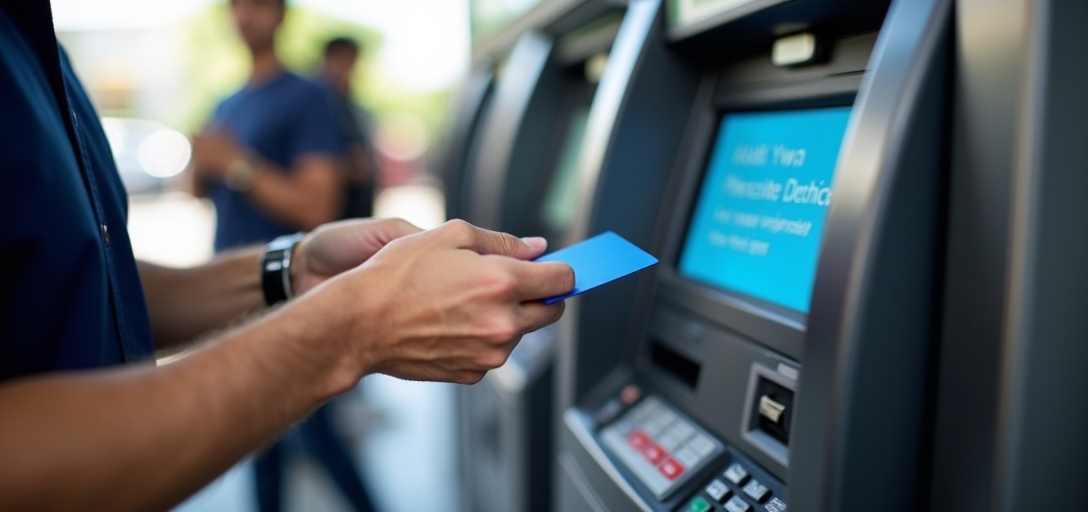
Understanding Card Skimmers
Card skimmers are malicious devices that criminals attach to ATMs, gas pumps, and other card-readers to steal your credit or debit card information. As financial transactions increasingly occur electronically, the sophistication of these devices has grown, making them harder to spot and more dangerous than ever.
In 2026, an estimated $4 billion was lost to card skimming fraud in the United States, showcasing the importance of being vigilant and informed (source: Fraud Watch).
Common Types of Card Skimmers
Card skimmers come in various forms, but some of the most common include:
- Overlay Skimmers: These devices fit over the card slot and collect card data when you insert your card.
- Internal Skimmers: Installed inside the machine, making them nearly invisible to the untrained eye.
- Mobile Payment Skimmers: Target NFC-enabled devices used for contactless payments.
How to Spot a Card Skimmer
Look Before You Swipe
The first step in identifying a card skimmer is to inspect the machine before inserting your card. Look for the following clues:
- Card Reader Appearance: Inspect the card reader. If it seems bulky or loose, it might have a skimmer attached.
- Loose or Wobbly Parts: Legitimate card readers are firmly affixed. If anything feels loose, it could be a red flag.
- Discrepancies in Appearance: Compare the machine to others nearby. Any notable differences in size, color, or positioning can indicate tampering.
Examine Keypads and User Interfaces
Criminals may also tamper with the keypad to collect your PIN. Consider these tips:
- Physical Examination: Check if the keypad feels different. It should be firmly attached and buttons responsive.
- Fake Keypads: Some skimmers add a second keypad on top of the original. Look for elevated height or unusual button layouts.
Technology to Watch Out For
Bluetooth Skimmers
Bluetooth-enabled skimmers don't require physical access post-installation to harvest data, as they transmit card information wirelessly. Using a Bluetooth scanner app on your smartphone, you can sometimes detect such devices, especially in less populated areas where there are fewer legitimate Bluetooth devices.
Advanced Camera Systems
Cameras capturing PIN entries are often used in tandem with skimming devices. They can be hidden in inconspicuous locations such as light fixtures or brochure holders. Always cover your hand when entering your PIN to shield it from prying eyes, including hidden cameras.
Protective Measures and Best Practices
Opt for Contactless Payments
Using touchless payment options like mobile wallets or tap-to-pay cards bypasses physical slot insertion, reducing the risk of skimming. The near-field communication (NFC) technology used in most contactless systems includes advanced security measures that protect your card information during the transaction.
Use Trusted Machines
Whenever possible, use ATMs in well-lit, high-traffic areas or those inside banks and reputable retailers where security cameras and staff monitoring are more likely to deter tampering. Gas station pumps closer to the attendant are also typically more secure due to increased visibility.
Monitor Your Accounts Regularly
Vigilantly checking your bank statements and transaction alerts can help you identify unauthorized charges sooner. Setting up real-time alerts can offer immediate notification of any suspicious activities, allowing you to take swift action to mitigate fraud impact.
What to Do If You Encounter a Skimmer
Report to Authorities
If you suspect a skimmer, report it immediately to the business where you found it and the local police. Providing them with the suspected device's location helps protect other potential victims. Also, report the incident to the Federal Trade Commission (FTC) via their website.
Contact Your Financial Institution
Immediately contact your bank or card issuer to notify them of potential fraud. Cancel your card and request a new one to prevent further unauthorized use. The sooner you alert them, the sooner they can aide in preventing losses.
Being informed and cautious is your best defense against card skimming. Implementing these strategies and following safety practices can significantly reduce your risk of falling victim to this prevalent form of fraud.
For further insights and up-to-date information on card skimming and protective measures, visit resources like Consumer FTC and Identity Theft Resource Center.