Essential Tips for Maintaining Your Water Softener System Post-Installation
Curious about water softener maintenance after installation? Ensuring your system operates smoothly can save on repairs and extend its lifespan. Learn practical tips to keep your water softener in top shape and avoid common pitfalls. From salt refills to regular checkups, understand what to monitor.
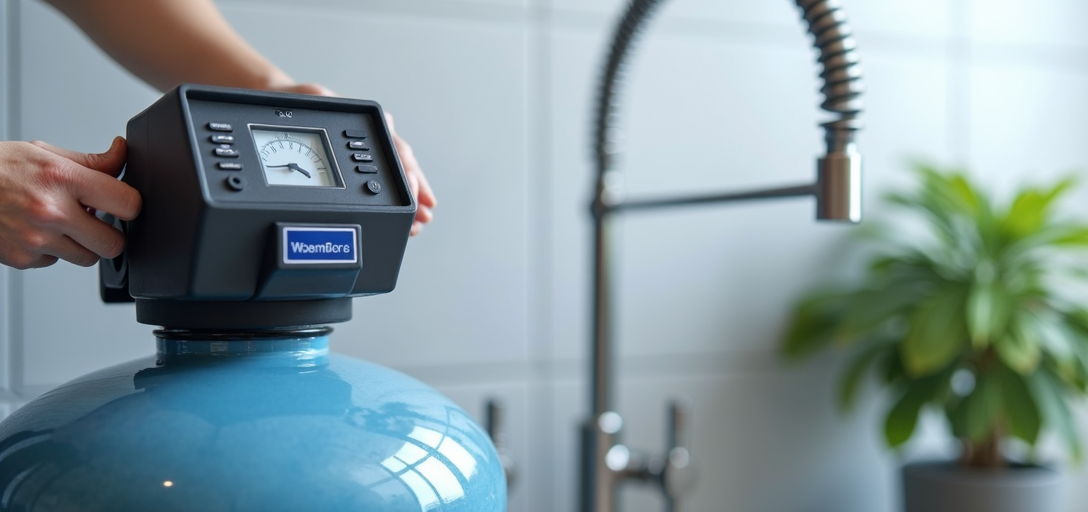
Understanding Water Softener Maintenance
Water softeners are an essential addition to homes in the US, especially in areas with hard water. While they significantly improve water quality, understanding and maintaining them regularly ensures longevity and efficiency. Here's what you need to know about water softener maintenance after installation.
How Does a Water Softener Work?
A water softener primarily functions by removing calcium and magnesium, which are the minerals responsible for hard water. It uses a process called ion exchange, where these hard minerals are exchanged for sodium or potassium ions. Understanding how your system works is the first step in maintaining it effectively.
The Ion Exchange Process
The core component of a water softener is the resin tank, which contains thousands of tiny resin beads. Each bead has a negative charge and attracts the positive ions of calcium and magnesium. As hard water passes through the resin tank, these minerals stick to the beads. In exchange, sodium ions are released into the water.
The Regeneration Cycle
Over time, the resin beads become saturated with calcium and magnesium, necessitating the regeneration cycle. This process involves flushing the beads with a strong brine solution that forces the hard water ions off and replenishes the beads with sodium ions, readying the system to treat more hard water.
Basic Water Softener Maintenance Tips
Proper and routine maintenance of your water softener will extend its life and keep your water quality high. Here are the fundamental steps every homeowner should follow:
Check Salt Levels Regularly
The salt in a water softener is crucial for the regeneration cycle. (According to a 2026 report by the Water Quality Association, keeping salt levels at least half-full ensures optimal performance.) Check your salt levels monthly and add more when necessary. It’s also essential to use the right type of salt – either pellet or crystal form – as specified by your manufacturer.
- Pellet Salt: Performs better in most systems and reduces bridging.
- Crystal Salt: May be more cost-effective but prone to forming salt bridges.
Clean the Brine Tank
Salt buildup and impurities can accumulate over time, affecting the efficiency of your water softener. Cleaning the brine tank annually can prevent these issues. Empty the tank, wash it with soap and water, and rinse it thoroughly before refilling it with fresh salt.
Examine Resin Beads
Resin beads are integral to water softener function. If you notice a decrease in water quality, it might be time to replace the beads. This is typically required every 7-10 years but may vary based on water hardness and system use.
Advanced Maintenance Techniques
Sometimes, basic maintenance isn’t enough, especially if you experience specific problems or own a more sophisticated model. Here are additional techniques for advanced care:
Salt Bridges and Mushing
A salt bridge occurs when a crust forms in the brine tank, stopping proper regeneration. Carefully break the crust with a broom handle to fix this issue. Prevent it by using high-quality salt and maintaining appropriate humidity levels.
Iron Control
Excessive iron in water can foul the resin bed. Installing an iron filter is advisable in areas with high iron content. Additionally, periodically adding a commercial resin cleaner can maintain the ion exchange capacity.
Professional Service and Inspection
Every few years, or if you encounter persistent problems, calling in a professional can save future costs and headaches. A certified technician can perform a detailed inspection, clean components, and replace worn parts, ensuring your water softener continues working efficiently.
Why Water Softener Maintenance is Essential
Ignoring regular maintenance can lead to several problems, including poor water quality, costly repairs, and shortened appliance lifespan. Proper care maintains optimal performance and extends the life of your water softener.
According to a 2026 study from the American Society of Plumbing Engineers (ASPE), homes with well-maintained water softeners reported a 40% improvement in the lifespan of plumbing systems and appliances, showcasing the importance of routine care.
Environmental Impact and Cost Savings
Efficient water softener systems contribute to cost savings on household energy bills and reduce soap and detergent use, leading to less environmental waste. Maintaining peak efficiency not only saves money but also minimizes your ecological footprint.
Improved Water Quality
The primary benefit of maintenance is enhanced water quality, which is crucial for healthy skin and hair and for protecting plumbing systems from scale buildup. Preventative maintenance ensures you continuously enjoy these advantages.
Conclusion
Water softener maintenance might seem demanding but is essential for sustained performance and the benefits of soft water. Regular checking, cleaning, and professional servicing protect your investment. Through routine care, you're not only preserving your appliance but also ensuring the water quality that supports a healthier home and lifestyle.