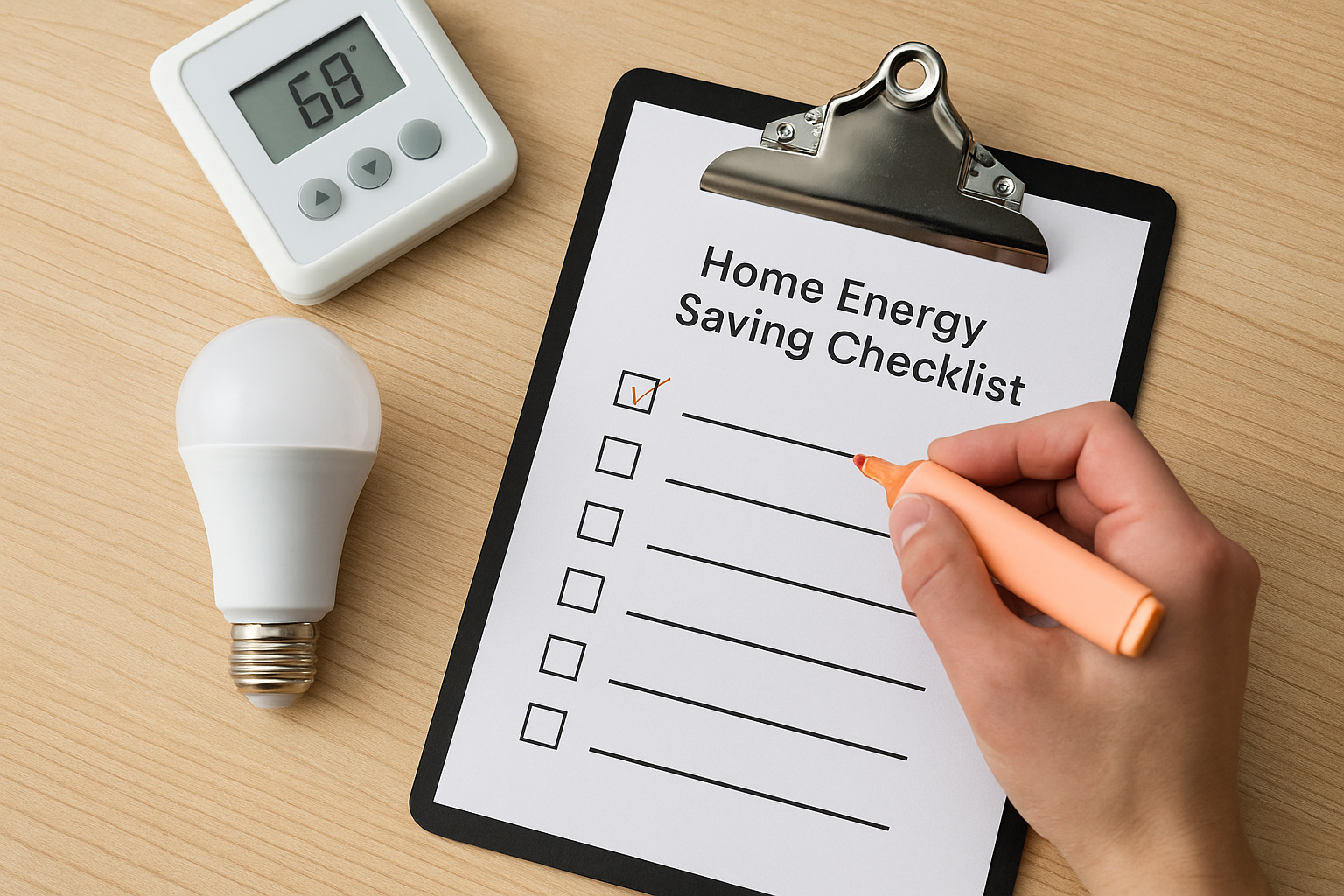
Essential Tips for Your Home Energy Saving Checklist This Year
Discover smart tips to enhance energy efficiency with our home energy saving checklist! From upgrading insulation to choosing energyefficient lighting, these practical steps can help you optimize energy use and potentially reduce bills.
Understanding Home Energy Efficiency
As energy costs continue to rise and environmental concerns grow, many homeowners are seeking ways to improve energy efficiency at home. Optimizing your home energy consumption can lead to substantial savings on your utility bill and reduce your carbon footprint. The key is knowing what to include in your home energy-saving checklist this year.
Why Focus on Energy Efficiency?
Improving energy efficiency is one of the most cost-effective ways to combat climate change, clean the air we breathe, and reduce energy costs for consumers. According to the International Energy Agency (IEA.), energy efficiency improvements could deliver more than 40% of the emissions reductions needed to reach our climate goals by 2040. Therefore, focusing on energy efficiency can have far-reaching benefits beyond your household.
Essential Elements of Your Home Energy-Saving Checklist
1. Conduct a Home Energy Audit
Before making specific upgrades, it's essential to understand where and how your home consumes energy. Conducting a professional home energy audit is a great first step. An energy auditor will evaluate your home using specialized tools to identify areas where you're losing energy. This helps prioritize actions that will have the most significant impact.
2. Upgrade Your Insulation
Effective insulation is key to maintaining a stable indoor temperature. Inadequate insulation can lead to heat loss during the winter and excess heat gain in the summer. Ensuring that your attic, walls, and floors have proper insulation can cut heating and cooling costs by about 15% according to the U.S. Department of Energy. Consider using advanced materials like spray foam insulation, which offers better coverage.
3. Seal Air Leaks
Air leaks are a significant source of energy loss. Inspect areas around windows, doors, vents, and electrical outlets for drafts. Using caulking or weatherstripping to seal these leaks can significantly improve your home's energy efficiency. For more significant issues, you might want to hire a professional to repair or replace doors and windows.
4. Optimize Heating and Cooling Systems
Heating and cooling account for nearly half of the average home’s energy consumption. Ensure your HVAC system is running efficiently by having it serviced regularly. Consider upgrading to a programmable or smart thermostat to better control your home’s heating and cooling schedule. Projects like switching to a high-efficiency furnace or an ENERGY STAR-certified air conditioner also offer substantial savings.
Integrating Technology for Better Energy Savings
1. Smart Home Devices
Smart home technology can enhance energy efficiency by automating how and when appliances and lights are used. Examples include smart thermostats, energy-efficient lighting controls, and energy monitoring systems. This technology helps you make informed decisions and adjustments to conserve energy.
- Smart Thermostats: Devices like the Nest Thermostat can learn your habits and adjust the temperature accordingly to save energy.
- Energy Monitoring: Products like Sense Energy Monitors give you real-time feedback on your energy use.
2. Energy-Efficient Appliances
When it's time to replace a home appliance, opt for models labeled with the ENERGY STAR certification. These appliances are designed to operate more efficiently without compromising performance. According to Energy Star, certified dryers can use 20% less energy per load.
Renewable Energy Considerations
1. Solar Power
Solar panels have become more affordable and accessible, making them a viable option for many homeowners. Installing a solar photovoltaic (PV) system can significantly reduce or even eliminate your electricity bill, with potential savings of $10,000 to $30,000 over the life of the system according to EnergySage (2026).
2. Wind Energy
For those in areas with sufficient wind speeds, small wind turbines can provide supplemental energy. While less common than solar installations, they can be a great addition to a sustainable home energy strategy.
Tracking and Adjusting Your Energy Usage
1. Monitor Energy Usage
Keeping an eye on your energy usage helps you understand consumption patterns and identify potential savings. Many utility companies provide online tools that allow you to track your household’s energy use. These can guide further efficiency improvements and reinforce energy-saving habits.
2. Adjust Habits
Behavioral changes can have a considerable impact on energy savings. Simple steps such as turning off lights when leaving a room, using energy-efficient cooking methods, and reducing overall appliance use can contribute significantly to lowering your energy bill.
Conclusion
Creating and implementing a home energy-saving checklist is a practical way to effectively manage your energy consumption and reduce your environmental impact. By following these detailed steps and considering the integration of modern technology, your home can be more energy-efficient, comfortable, and sustainable.
By making informed, thoughtful decisions for energy efficiency, you are not only saving money but also contributing to a healthier, more sustainable future.
U.S. Department of Energy 👉 https://www.energy.gov/energysaver
U.S. Department of Energy 👉 https://www.energy.gov/node/848051
ENERGY STAR 👉 https://www.energystar.gov/saveathome
U.S. Department of Energy 👉 https://www.energy.gov/energysaver/do-it-yourself-home-energy-assessments
U.S. Department of Energy 👉 https://www.energy.gov/energysaver/heating-and-cooling