Essentials of Home Safety for Aging Parents: Key Considerations for Families
As family members, it's essential to understand the home safety concerns for ageing parents to ensure their wellbeing. From reducing fall risks to enhancing bathroom safety, simple measures can make a significant difference.
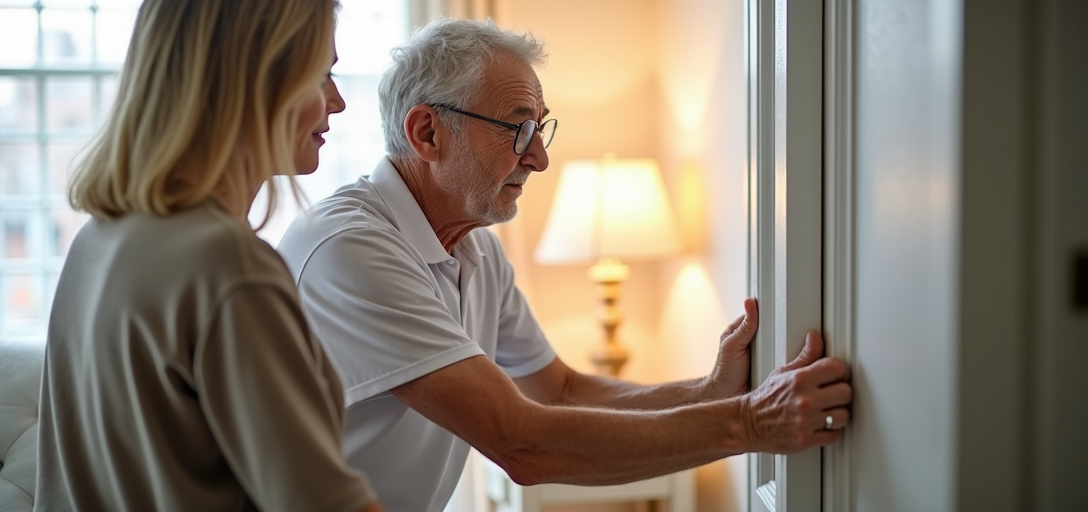
Understanding Home Safety Concerns for Aging Parents
As our population ages, ensuring the safety of elderly family members becomes an increasing priority. A significant number of older adults wish to remain in their own homes as they age. This desire, while understandable, poses unique challenges that families must address to prevent accidents and ensure a safe living environment. In this guide, we delve into the core home safety concerns for aging parents and provide practical solutions that families might consider implementing.
Why Home Safety is Crucial for Aging Parents
Aging often comes with a decline in physical and cognitive abilities, which can lead to increased risk of accidents and injuries at home. According to the National Institute on Aging, falls are among the most common and serious health risks for older adults, leading to numerous emergency room visits each year. To combat these risks, families must proactively address potential hazards in their homes.
Key Areas to Focus on for Home Safety
When assessing the home environment, there are several key areas families should focus on to effectively reduce the risk of injury.
1. Fall Prevention
- Secure Rugs and Carpets: Use non-slip backing or remove rugs that could cause tripping.
- Install Grab Bars: Place grab bars in bathrooms and along stairs for added support.
- Improve Lighting: Ensure all areas, particularly staircases and hallways, are well-lit to prevent missteps.
Consider the use of a walker or cane for added stability, and conduct regular home safety checks to identify and rectify potential hazards.
2. Bathroom Safety
- Non-slip Mats: Use these in the shower and bathtub to reduce the risk of slipping.
- Shower Chairs and Handheld Showers: These assistive devices can provide support and convenience during showers.
According to the Centers for Disease Control and Prevention, bathrooms are a high-risk area for falls, making these precautions highly crucial.
3. Fire and Carbon Monoxide Safety
- Smoke and Carbon Monoxide Detectors: Install and regularly test detectors, ensuring they are operational at all times.
- Fire Extinguishers: Keep these in easily accessible areas, particularly in the kitchen.
Families should develop an emergency exit plan and routinely conduct drills, ensuring the elderly members know how to respond in case of an emergency.
4. Medication Management
Medication mishaps can easily occur if older adults are taking multiple prescriptions. As per a study from the Department of Health and Human Services in 2026, approximately 30% of hospital admissions for older adults are due to medication errors. Implement strategies like:
- Medication Organizers: Weekly pill organizers can help manage daily doses effectively.
- Clear Labeling: Ensure all medications are clearly labeled with the correct dosage instructions.
Technology Solutions for Enhancing Home Safety
With advancements in technology, there are several tools available to enhance home safety for older adults:
- Smart Home Assistants: These devices can help set reminders, control lighting, and adjust thermostats with voice commands.
- Mobile Alert Systems: Wearable devices that allow elderly individuals to call for help instantly if they fall or require assistance.
Families may consider implementing a combination of these technologies to ensure a safer living environment.
Involving Aging Parents in Safety Discussions
Ensuring your aging parents feel comfortable and respected during discussions about their safety is crucial. Approach the topic with empathy and be willing to listen to their concerns. Involving them in the decision-making process can help ensure they adhere to the safety measures and feel empowered in their living arrangements.
Conclusion
Prioritizing home safety for aging parents is a family affair. By focusing on essential areas such as fall prevention, bathroom safety, fire hazards, and medication management, and by integrating modern safety technologies, families can significantly reduce risks. Remember that regular communication and engagement with your aging loved ones can make this transition smooth and positive, ensuring they retain both their independence and safety.
For further information, families can explore resources from organizations like the AARP Home Safety Tips and the National Institute on Aging.