Estimating Your Solar Savings: How Much Can You Really Save with Solar Panels in 2026?
Curious about the potential savings with solar panels in 2026? Discover the various factors that influence how much money solar panels might save you, from installation costs to energy rates. As more people turn to renewable energy, understanding the financial impact becomes crucial.
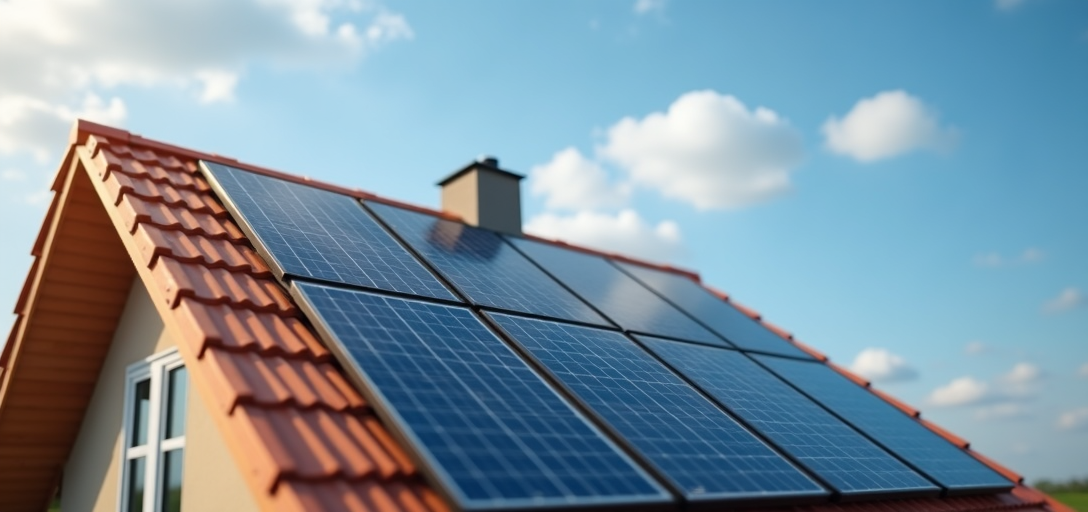
The Growing Popularity of Solar Panels in 2026
The use of solar panels in the United States has grown dramatically over the past few years. As more households and businesses become environmentally conscious, there is an increasing demand for sustainable energy solutions. By 2026, solar panels have emerged as a mainstream energy option, driven by factors such as declining technology costs, improved efficiency, and favorable government policies.
Why Are More People Installing Solar Panels?
Several reasons contribute to the growing popularity of solar panels:
- Cost Savings: One of the primary motivators is the cost savings on electricity bills. With the price of solar panel installation decreasing and energy prices rising, homeowners see a significant reduction in their monthly utility bills.
- Environmental Benefits: Switching to solar energy helps reduce your carbon footprint, supporting global efforts to combat climate change.
- Energy Independence: Solar panels provide an opportunity for energy independence, reducing reliance on traditional power grids.
How Much Money Can Solar Panels Save You in 2026?
Understanding Solar Savings
The amount of money you can save with solar panels depends on several factors, including your location, the size of your solar system, local electricity rates, and government incentives. In 2026, an average US household can expect to save around $600 to $1,500 annually on electricity bills. Over a 20-year period, this translates to savings of $12,000 to $30,000.
Factors Influencing Savings
- Location: States like California, Arizona, and Nevada, which receive abundant sunlight, tend to offer more significant savings.
- System Size: Installing a larger system typically generates more electricity, leading to higher savings.
- Electricity Rates: Higher local electricity rates mean more savings when switching to solar energy.
Current Trends and Innovations in Solar Technology
Advancements Leading to Greater Savings
The solar industry has seen numerous advancements that have increased the efficiency and accessibility of solar panels. Innovations in photovoltaic technology and battery storage have played a pivotal role in increasing energy production efficiency, thereby improving overall savings for consumers.
Integrating Smart Technology
Smart technology is increasingly being integrated into solar systems. Homeowners can use apps to monitor their energy consumption and system performance in real time, which allows them to optimize usage and maximize savings. Technologies like micro-inverters and optimizers also enhance the efficiency of solar systems.
Government Incentives and Rebates
Federal and State Programs
The federal government continues to offer incentives such as the Solar Investment Tax Credit (ITC), which provides a tax credit of 26% for residential solar installations. Moreover, many states offer additional rebates and incentives, which can significantly reduce upfront costs.
Discover state-specific solar incentives.
Net Metering
Net metering policies allow solar panel owners to sell excess energy back to the grid, further enhancing overall savings. As of 2026, over 40 states in the US have adopted net metering policies, making solar a financially attractive option for more households.
Long-Term Benefits of Solar Investment
Return on Investment (ROI)
Over time, the financial benefits of solar panels extend beyond direct savings on energy bills. Solar panels typically increase property values. Studies in 2026 show that homes with solar installations sell for 4-5% more than homes without solar systems.
Durability and Low Maintenance
Modern solar panels are highly durable and require minimal maintenance. With warranties often lasting 25 years or more, solar systems offer long-term security and reliability.
Conclusion: Is Solar Right for You?
Deciding if solar panels are the right investment for your home involves weighing several factors, including upfront costs, financing options, and personal energy goals. With technological advancements, government programs, and increasing electricity rates, solar energy is more accessible and beneficial than ever.
For further information on solar energy and to explore specific savings for your region, consider consulting with a solar energy expert or visiting reputable sources like the Solar Reviews website.