Everything Seniors Need to Know About Dental Implant Coverage
Discover what options are available for dental implant coverage for seniors and how to navigate the complexities of insurance plans. This insightful guide offers a thorough overview of key considerations and potential routes to explore.
Understanding Dental Implants for Seniors
Dental health is an essential aspect of overall well-being, especially as we age. One of the most sought-after solutions for missing teeth among seniors is dental implants. These implants provide a long-term solution that enhances both functionality and aesthetics. However, understanding how dental implant coverage works, specifically for seniors in the US, is crucial for making informed decisions about dental care.
What Are Dental Implants?
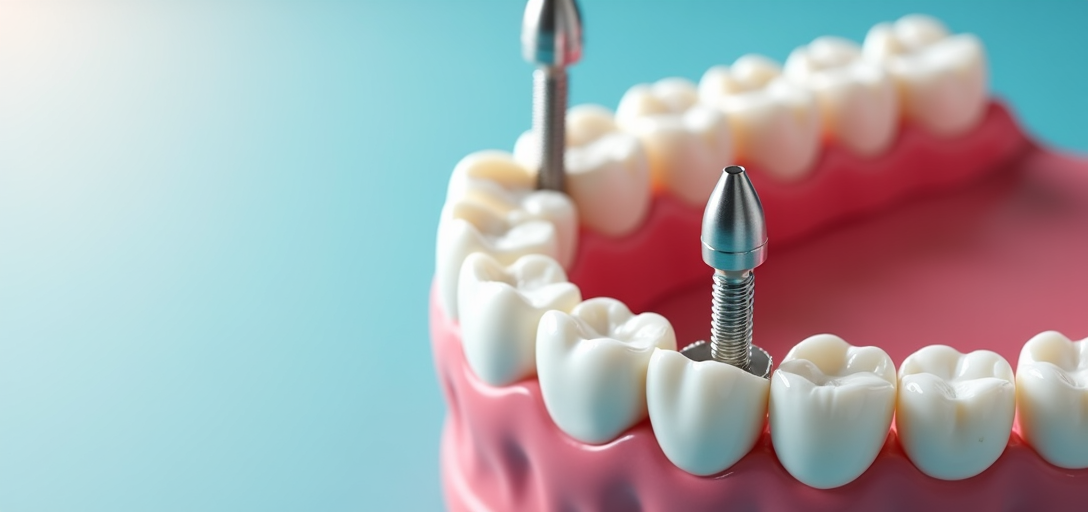
Dental implants are artificial tooth roots made from biocompatible materials like titanium. They provide a sturdy foundation for fixed or removable replacement teeth that are custom-made to match natural teeth. Dental implants function like real teeth and help prevent bone loss that typically occurs with missing teeth. They are primarily recommended for their durability and effectiveness in restoring oral health.
Benefits of Dental Implants
- Improved Appearance: Implants look and feel like natural teeth, enhancing a person’s smile.
- Speech Improvement: Unlike dentures, implants eliminate the worry of slipping, ensuring clear speech.
- Comfort and Convenience: Implants eliminate the discomfort and inconvenience of removable dentures.
- Durability: With proper care, implants can last a lifetime, offering a cost-effective solution in the long run.
Why Are Implants Important for Seniors?
As we age, the loss of teeth can significantly affect our quality of life. Missing teeth can lead to difficulties in eating, speaking, and maintaining jaw alignment. Dental implants provide a permanent solution that empowers seniors to maintain their lifestyle and diet choices without discomfort or embarrassment.
Understanding Dental Implant Coverage
Dental implant coverage can be complex, primarily because it varies depending on the insurance provider and the plan's specifics. As of 2026, most Medicare plans do not cover dental implants, principally because they are considered a cosmetic procedure. However, there are exceptions and other avenues to explore:
Medicare and Dental Implant Coverage
Traditional Medicare (Part A and Part B) typically does not cover dental implants, but some Medicare Advantage Plans (Part C) might offer dental benefits, which occasionally include implants. These plans bundle hospital, medical, and prescription drug services with extra wellness benefits.
Private Dental Insurance
Many private dental insurance plans offer coverage for dental implants, although it often requires purchasing a plan specifically designed to include such advanced procedures. It's important for seniors to thoroughly review plan details and consider plans that offer comprehensive dental coverage.
Alternative Options for Coverage
- Discount Dental Plans: These are membership-based plans providing discounts on dental procedures.
- Health Savings Accounts (HSAs) and Flexible Spending Accounts (FSAs): These accounts allow you to save pre-tax dollars for healthcare expenses, including implants.
- Veterans Benefits: Eligible military veterans may have access to dental implants through VA benefits.
Cost Considerations
The cost of dental implants can be significant, typically ranging from $3,000 to $5,000 per tooth as of 2026. This cost can vary based on factors like the material used, the complexity of the procedure, and the geographic location. While this might seem costly, the long-term benefits and durability often justify the investment.
Financing Options
Financing is an available option for many who cannot afford the upfront cost. Many dental offices offer payment plans or work with third-party financial services to provide patient financing. Research and compare interest rates and terms before committing to a financing plan.
Choosing the Right Dental Plan
Selecting the right dental plan requires careful consideration of current and future dental health needs. It's vital to balance coverage options with budgetary constraints. Seniors should consult with their dentist and a financial advisor to evaluate the available options and make informed decisions.
Key Considerations
- Dental plan’s annual maximum limit and out-of-pocket costs.
- Included procedures and limitations.
- Network of approved dentists and specialists.
For additional information on dental insurance, visit the American Dental Association and the official Medicare website. Research and compare various plans and providers to ensure you find an option that meets your healthcare needs.
Conclusion
Navigating dental implant coverage can be overwhelming but understanding the available options empowers seniors to make beneficial decisions regarding their oral health. By exploring different insurance plans, discount programs, and financing options, seniors can access the dental care they deserve without financial strain.