Everything You Need to Know About the 2026 COPD Shot Guidelines
Discover the updated COPD shots guidelines for 2026, providing essential insights for managing the condition. While this overview highlights new recommendations for COPD shots, always consult your healthcare provider to tailor these guidelines to your individual needs.
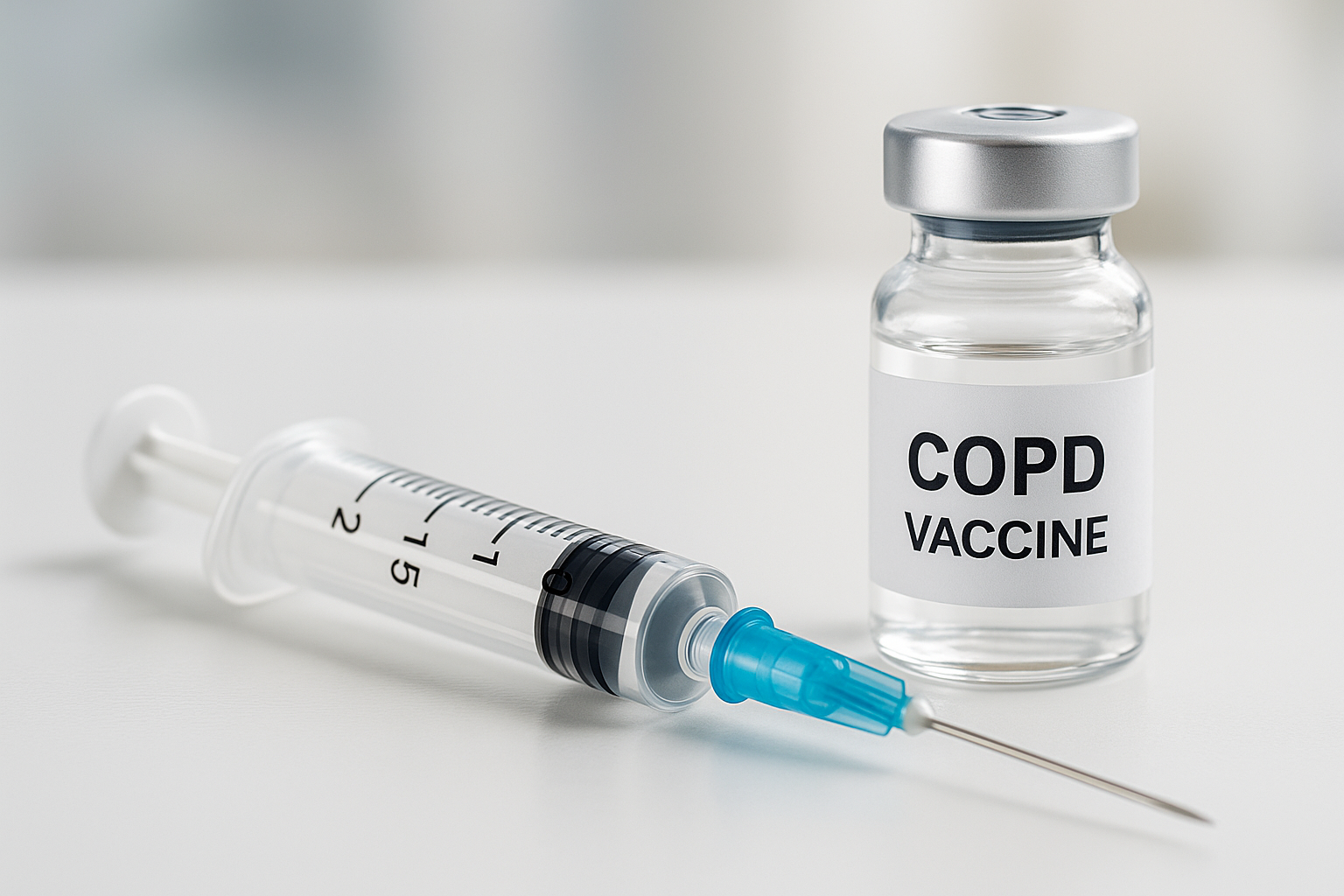
Understanding COPD and the Importance of Vaccinations
Chronic Obstructive Pulmonary Disease (COPD) is a progressive lung disease that obstructs airflow, making it increasingly difficult to breathe. It is typically caused by long-term exposure to irritating gases, commonly from cigarette smoke, and affects over 300 million people worldwide. As we advance into 2026, healthcare providers emphasize the critical role of vaccinations to manage COPD and prevent exacerbations.
With recent advancements in medical research, there are new and updated guidelines for COPD vaccinations. These guidelines are developed to provide optimal protection for COPD patients and are vital in reducing the risk of complications from other infections, particularly those affecting the respiratory system.
What Are the Latest COPD Shots Guidelines for 2026?
The latest guidelines published by the Global Initiative for Chronic Obstructive Lung Disease (GOLD) and other authoritative bodies have introduced some key updates concerning vaccinations for people living with COPD. These guidelines offer clarity on which vaccines are essential and the appropriate timing for their administration.
- Influenza Vaccine: COPD patients should receive an annual flu shot. The influenza virus is a significant threat, and vaccinations have shown to reduce hospitalization rates due to respiratory complications.
- Pneumococcal Vaccines: Both the PCV20 (20-valent pneumococcal conjugate vaccine) and PPSV23 (23-valent pneumococcal polysaccharide vaccine) are recommended. It's advised that patients receive the PCV20 followed by PPSV23 after a year to ensure broad protection against pneumococcal diseases.
- COVID-19 Booster Shots: Given the ongoing concerns related to COVID-19, individuals with COPD should maintain updated boosters tailored to tackle emerging strains to prevent severe outcomes.
- RSV Vaccine: With the advent of the RSV vaccine, it has been recommended for patients over 60 or those with a severe COPD history as it offers specific protection against respiratory syncytial virus infections that can aggravate COPD symptoms.
Why Are These Vaccines Critical for COPD Patients?
Vaccinations play a crucial role in preventing infections that could exacerbate COPD. Due to the diminished lung function, infections like influenza and pneumonia can lead to severe health issues and could significantly impact the quality of life. These vaccines reduce the risk of respiratory infections, hospitalizations, and in severe cases, mortality.
A 2026 study published in the New England Journal of Medicine showed that vaccination in COPD patients was associated with a 40% reduction in flu-related hospitalizations. Moreover, pneumococcal vaccines reduced the risk of invasive pneumococcal disease by approximately 60% in older adults with COPD (CDC data).
How to Stay Updated with Vaccination Guidelines?
It is paramount for individuals with COPD to keep in close contact with their healthcare providers regarding their vaccination schedule and any new updates. Regular consultations can ensure that patients receive timely vaccinations according to the latest guidelines.
Additionally, trusted health websites like the GOLD initiative and local health authorities' websites provide valuable updates and resources for patients and caregivers. Subscribing to newsletters from these authorities can also help stay informed about the latest standards of care for COPD.
Real-World Examples: Success in Management through Vaccination
Consider the case of Mary, a 65-year-old with a history of severe COPD. By adhering to the vaccination schedule – annual flu shots, the complete pneumococcal series, and staying on top of COVID-19 boosters, Mary has managed to reduce her hospital visits significantly. Her pulmonologist credits her stability to the proactive vaccination approach, combined with her medication regimen and lifestyle adjustments.
Similarly, a broader study by the World Health Organization in 2026 noted that regions with higher vaccination rates in respiratory illness saw lesser COPD-related hospital admissions, suggesting a direct benefit of these preventive measures.
Conclusion: Taking Charge of Your Health with the Right Information
As new guidelines and vaccines continue to emerge, staying informed and compliant with vaccination recommendations is vital for those living with COPD. The year 2026 brings a forward-thinking approach to managing COPD with vaccinations as a cornerstone of prevention strategies. Empowering patients through education and accessible healthcare can significantly improve outcomes and quality of life.
For COPD patients and caregivers, understanding and adhering to these updated vaccination guidelines can provide greater control over the disease and help safeguard against complications that can arise from preventable infections.