Everything You Need to Know Before Installing a Standby Generator
Thinking about installing a standby generator? Here's what you should know before making the decision. Standby generators can provide peace of mind during power outages, but there are several factors to consider, including cost, installation requirements, and maintenance.
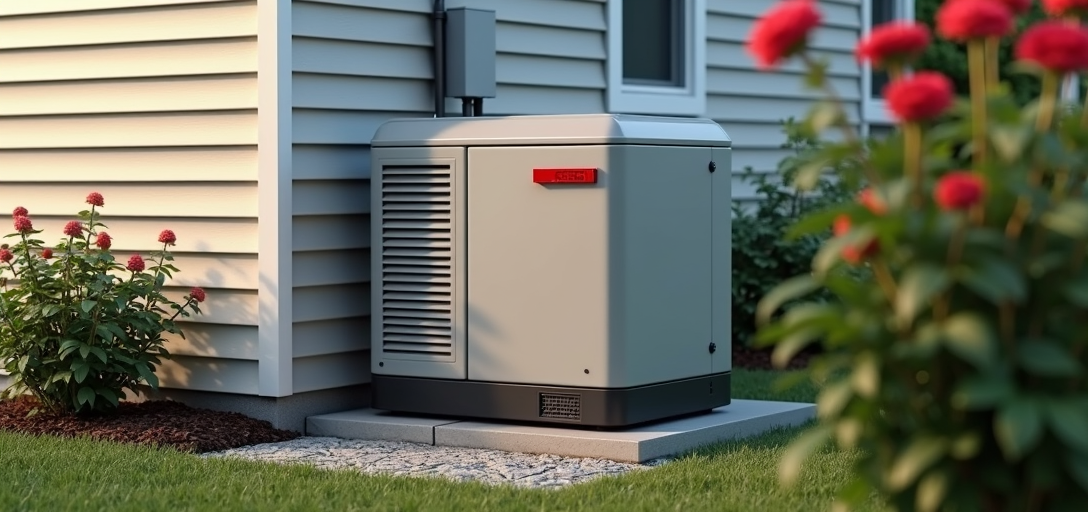
Why Consider Installing a Standby Generator?
If you're contemplating installing a standby generator, you're not alone. Due to increasing power outages and the growing importance of having a reliable power source, more homeowners are looking into this practical solution. Standby generators can provide peace of mind by ensuring that your household remains operational during unexpected power cuts.
According to a recent 2026 survey conducted by the Energy Information Administration (EIA), the average U.S. home experienced about 8 hours of power outages last year, which is higher than previous years. As climate change continues to produce more severe weather patterns, many predict outages to increase further in both frequency and duration.
What is a Standby Generator?
A standby generator is a backup electrical system that operates automatically. Within seconds of a power outage, an automatic transfer switch senses the loss of power, instructs the generator to start, and then transfers the electrical load. All this typically happens in less than 10 seconds after a home loses power.
Standby generators run on natural gas or liquid propane and provide a seamless transition, enabling you to stay connected and maintain essential functions in your home, such as heating or air conditioning, lighting, refrigeration, and medical equipment support.
Types of Standby Generators
- Air-Cooled Generators: Ideal for smaller homes, these are usually more affordable and sufficiently support basic household needs.
- Liquid-Cooled Generators: Better suited for larger homes with higher power demands or more appliances and equipment.
How to Choose the Right Standby Generator
Choosing the right generator depends on several factors specific to your home and needs. Here’s what to consider:
- Power Requirements: Determine which appliances and systems are most critical during a power outage. A typical small generator (7-10 kilowatts) might suffice to cover essentials like a sump pump, refrigerator, and a few lights, while larger generators (15+ kilowatts) are needed to power most of a house.
- Fuel Type: Decide between natural gas, which is ideal for homes with existing connections, or propane, which requires a separate tank.
- Budget: Standby generators can range from $2,000 to $10,000 or more, excluding installation. Be sure to factor in installation costs, usually totaling an additional $500 to $3,000 (Forbes Home).
Installation Process and Considerations
Installing a standby generator is not a typical DIY project. It involves electrical and mechanical complexity that usually requires professional installation to ensure safety and compliance with local regulations.
Steps to Install a Standby Generator
- Site Selection: Choose a location outside your home with good air circulation and compliant with distance requirements from your home and property lines.
- Permits: Check with your local municipality about the required permits. This step is crucial and varies across the U.S.
- Professional Installation: Hiring a licensed electrician or certified technician to connect the system is essential. This ensures that it ties into your home’s existing electrical setup correctly.
Benefits of Having a Standby Generator
Standby generators offer a myriad of benefits that can considerably improve your quality of life in times of electrical outages:
- Uninterrupted Power: Avoid disruptions during storms or utility failures, ensuring your home is a safe haven.
- Protection from Voltage Fluctuations: Automatic systems protect sensitive electronics and appliances from power surges when electricity returns.
- Enhanced Home Value: A standby generator can increase your home’s market appeal and potentially its resale value.
For homes in regions prone to severe weather, installing a standby generator is not just a convenience but a necessary safeguard. A reliable power source is crucial, especially if your home hosts sensitive equipment like medical devices.
Conclusion: Is a Standby Generator Worth It?
Deciding whether a standby generator is worth the investment comes down to your personal needs, the frequency of outages in your area, and how much comfort you are willing to pay for. With the ever-growing importance of electricity for essential functions, having a dedicated power backup solution might be one of the best decisions you can make to protect your home and family.
Be sure to consult with a power generation expert and evaluate your home systems to determine the best generator setup for you. As our reliance on electricity grows, so does the need for reliable backup power solutions.