Exciting 2027 Vehicle Launches: Auto Brands to Watch
Excited about future rides? Leading auto brands are revving up for major vehicle launches, setting sights on 2027. While specific models remain under wraps, these auto brands are hinting at innovative features and ecofriendly designs to capture drivers' imaginations.
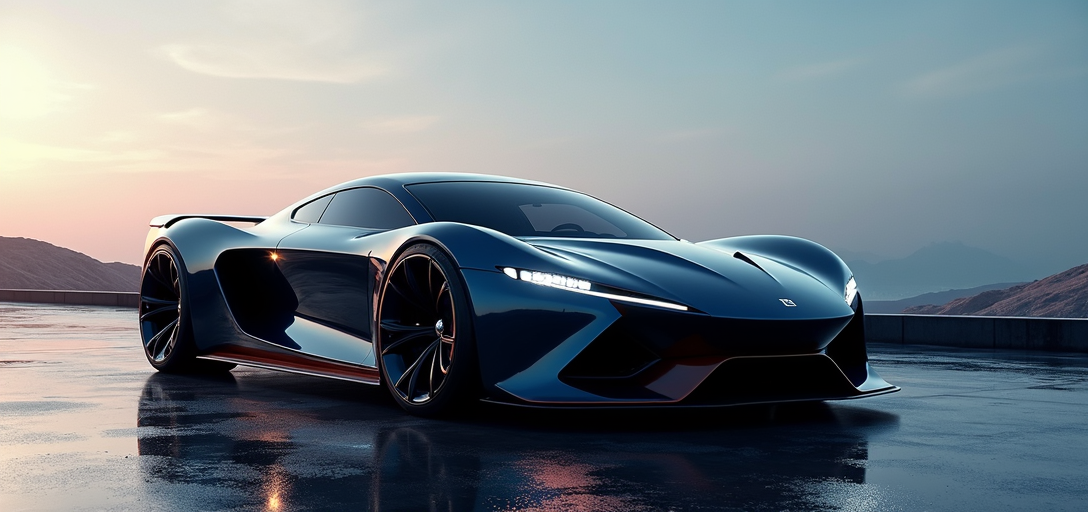
Automotive Industry Landscape: An Eye on the Future
The automotive industry is on the brink of significant transformation as technological advancements, regulatory shifts, and evolving consumer preferences pave the way for new vehicle innovations. As we approach 2027, several auto brands are actively preparing to launch revolutionary vehicles, underscoring a collective move towards sustainability, connectivity, and enhanced mobility solutions.
Why 2027 Is Pivotal for New Vehicle Launches
The choice of 2027 for major vehicle launches is not arbitrary. A confluence of factors, including regulatory timelines, technological readiness, and market dynamics, makes it an ideal year for automakers to unveil new models. Automakers are under pressure to reduce emissions and enhance fuel efficiency due to stricter regulations imposed by the Environmental Protection Agency (EPA) and the National Highway Traffic Safety Administration (NHTSA) in the United States.
- Environmental Regulations: The Biden administration has set ambitious targets to cut greenhouse gas emissions, urging automakers to innovate towards electric and hybrid models.
- Technological Advancements: Developments in battery technology, autonomous driving features, and connectivity platforms have reached a stage where they can be reliably integrated into consumer vehicles.
- Consumer Demand: A shift in consumer preferences towards environmentally friendly and technologically advanced vehicles supports the market push for new launches.
Key Auto Brands and Their 2027 Launch Plans
Tesla's Continuous Innovation
Tesla remains at the forefront of electric vehicle innovation. The company is set to introduce a new version of its popular Model S in 2027, which is expected to feature cutting-edge autonomous driving technology, enhanced battery range, and more sustainable materials. Furthermore, Tesla aims to lower vehicle prices to increase accessibility, driven by advancements in battery manufacturing and supply chain efficiencies.
General Motors' Electrification Strategy
General Motors (GM) has committed to an all-electric future with plans to launch several electric vehicles (EVs) by 2027. GM's Cadillac brand will be a significant focus, with the Lyriq SUV leading the charge. Additionally, GM plans to introduce electric variants across its entire Chevrolet and Buick line-up, leveraging the Ultium battery platform to balance performance, range, and cost-effectiveness.
Ford's Commitment to Electric and Hybrid Models
Ford is expanding its electric offerings and plans to launch new electric models, including an advanced version of the F-150 Lightning and a hybrid Mustang Mach-E. Ford is also investing in infrastructure to support these vehicles, aiming to improve battery life and reduce charging times significantly by 2027.
The Impact on American Consumers
As these new vehicles enter the market, American consumers can expect a blend of excitement and new challenges. The expanding array of electric and hybrid models presents an opportunity for cleaner driving, reduced fuel costs, and innovative in-car experiences. However, it also requires consumers to navigate new considerations such as home charging infrastructure, range limitations, and the initial cost of purchase.
In anticipation of increased EV adoption, states like California and New York are actively investing in charging infrastructure to alleviate accessibility concerns. Federal incentives and tax credits also play a crucial role in making these new technologies more affordable for the average consumer.
Challenges to Address
- Infrastructure Needs: Developing a reliable nationwide charging network remains a critical challenge.
- Cost Considerations: While prices are expected to decrease, the initial cost of EVs can be a barrier for many consumers.
- Education and Awareness: Consumers need more information on the benefits and usability of EVs to reduce hesitation or misconceptions.
Preparing for 2027: What Consumers Can Do Now
As we edge closer to 2027, consumers can proactively take steps to prepare for these new vehicle launches. Understanding the implications of transitioning to electric vehicles, assessing personal driving needs, and keeping an eye on evolving government incentives can position consumers advantageously.
- Investigate available government incentives for EV purchases and home charging setups.
- Stay informed about model releases and technological advancements that align with your driving habits.
- Consider the potential environmental and economic benefits of transitioning from gasoline to electric vehicles.
Ultimately, the 2027 vehicle launches promise to redefine how we think about transportation, presenting a future where sustainability and technology merge to create a cleaner, more connected driving experience for all.
For further reading, consider reviewing the EPA's automotive trends and the NHTSA's Corporate Average Fuel Economy (CAFE) standards, which provide insights into the regulatory underpinnings influencing these developments.
References:
Volkswagen 2027 SUV Announcement