Exciting Potential Price Reductions Coming for Hyundai's 2026 EVs and Hybrids
Discover how Hyundai might make waves in the automotive world by considering price cuts on select 2026 EVs and hybrids. While it's still early, industry insights suggest Hyundai's strategic moves could make their 2026 models even more tempting.
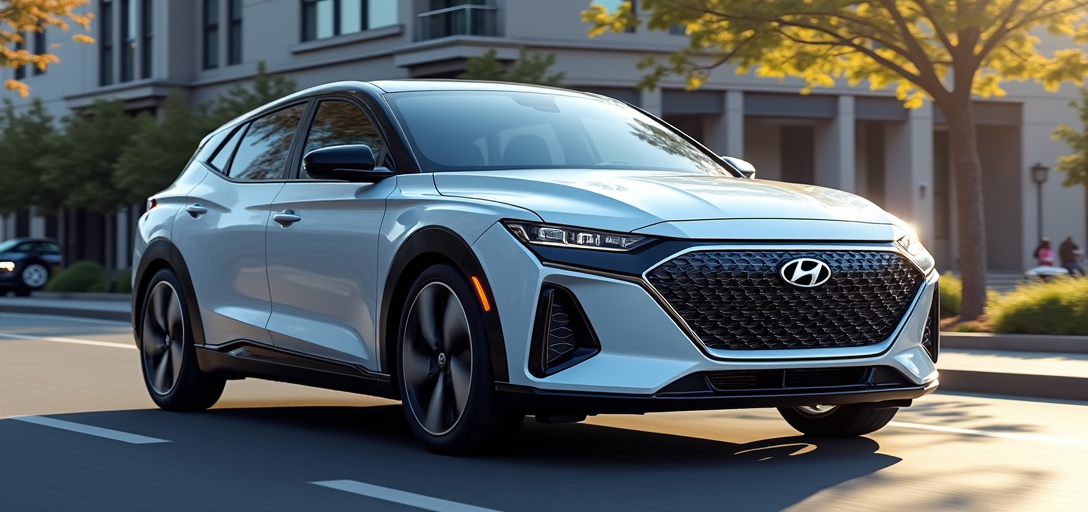
Understanding the Price Slash on Hyundai's 2026 EVs and Hybrids
In an ever-evolving automotive market, announcements about potential price adjustments, such as Hyundai's 2026 decision to potentially slash prices on their electric vehicles (EVs) and hybrids, highlight significant trends and strategies within the industry. This article aims to provide a comprehensive view on why this price slash might occur, what it means for consumers, and how it fits into a larger automotive strategy.
Why is Hyundai Considering a Price Slash?
The decision by Hyundai to potentially reduce prices on the 2026 EVs and hybrids may not be an isolated move. Several factors driving this consideration could include:
- Competitive Market Landscape: The automotive industry is witnessing intense competition, especially with EV manufacturers like Tesla, Ford, and General Motors pushing aggressive pricing and innovative models. By slashing prices, Hyundai aims to strengthen its market position.
- Production Cost Reductions: Technological advancement has contributed to the reduction in the cost of producing EVs and hybrid vehicles. Efficient supply chain management and increased battery production have made cost cuts feasible.
- Government Incentives: U.S policies promoting eco-friendly transportation provide tax incentives or rebates which might allow manufacturers like Hyundai to absorb some costs, translating to lower consumer prices.
The Significance of Price Reductions for Consumers
For consumers considering EVs or hybrids, price reductions come with several benefits:
- Increased Affordability: Budget-conscious buyers can take advantage of these new, lower price points, making EVs and hybrids a more viable option compared to traditional gasoline vehicles.
- Long-term Savings: Despite the initial purchase price, owning an EV or hybrid generally results in significant savings on fuel and maintenance costs, offering a compelling financial argument for these vehicles.
- Environmental Impact: Reduced emissions standards contribute to a positive environmental impact, aligning consumer choices with growing global ecological consciousness.
Hyundai's Broader Market Strategy
Making a strategic move to lower the cost of EVs and hybrids goes beyond gaining immediate market shares. It reflects Hyundai's long-term vision:
- Commitment to Sustainability: Hyundai’s price-slashing could be seen as part of its overall goal to become a leader in green automotive technology.
- Meeting Demand: With the increase in consumer interest in eco-friendly transportation, Hyundai may be positioning itself to meet the burgeoning demand more effectively.
Challenges and Criticisms Associated with Reduced Pricing
Despite the potential consumer benefits, reduced pricing strategies are not without challenges:
- Maintaining Profit Margins: Lower prices could squeeze the manufacturer's profit margins unless compensated by greater volumes of sales.
- Value Perception: Persistent discounting can alter consumer perception of the brand, possibly leading to equating lower prices with lower quality.
- Supply Chain Strain: Increased demand driven by lower prices can sometimes stretch production capacities, leading to supply issues.
What to Consider When Buying a 2026 Hyundai EV or Hybrid
If you are evaluating the purchase of a Hyundai EV or hybrid, consider the following:
- Federal and State Incentives: Ensure you're informed about eligible federal tax credits and state-specific incentives for purchasing electric or hybrid vehicles.
- Long-term Ownership Costs: Analyze the total cost of ownership, including charging infrastructure, insurance, and potential resale value.
- Model Features and Options: Investigate whether the price reduction affects available features, options, or configurations of a specific model.
The Future of Hyundai’s EV and Hybrid Models
The potential price slashing of 2026 Hyundai EVs and hybrids speaks to broader trends in automotive innovation and consumer adaptation. Here's what the future might hold:
- Continuous Innovation: As battery technology and production efficiency continue to improve, more affordable and efficient models are likely to emerge.
- Expanded Infrastructure: With more widespread adoption, we can anticipate growth in charging infrastructure, making it easier for consumers to transition to EVs.
- Stricter Regulations: As environmental concerns persist, regulations might tighten further, driving more innovations and prompting consumers to switch to greener options.
Conclusion
Hyundai’s consideration of price reductions for its 2026 EVs and hybrids fits within a larger narrative of sustainable innovation blended with consumer—as well as competitive—strategic adaptation. Whether these developments will significantly reshape the American automotive market is yet to be seen; however, for prospective consumers, these shifts embody an intriguing opportunity to engage with emerging green technology affordably.