Expert Advice from Electricians: What Not to Leave Plugged In Overnight
Discover why electricians emphasize caution with certain devices. Leaving appliances plugged in overnight can lead to potential risks you might not be aware of. Our experts reveal the common items electricians suggest inspecting regularly.
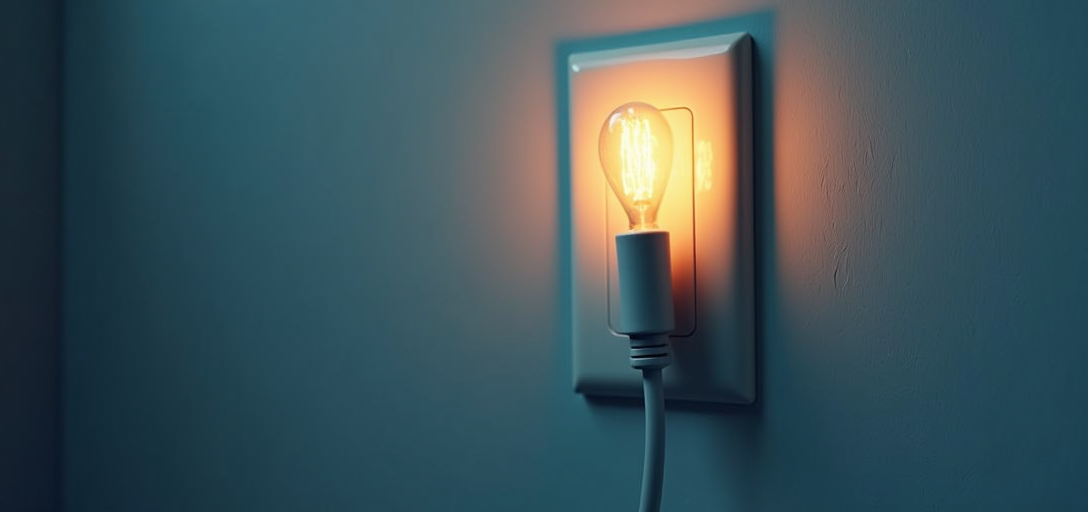
Why You Should Never Leave Certain Appliances Plugged In Overnight
While it's common to leave many appliances and devices plugged in constantly, experts in electrical safety, like electricians, strongly advise against leaving certain types unplugged overnight. This precaution is rooted in safety concerns, energy conservation, and extending the lifespan of your appliances.
The Risks of Leaving Appliances Plugged In
Leaving appliances plugged in overnight can pose multiple risks, including potential fire hazards, increased energy consumption, and unnecessary wear and tear on the devices. The danger primarily stems from a phenomenon known as standby power consumption or phantom load, where an appliance continues to draw power even when turned off.
- Fire Hazards: Devices like space heaters, electric blankets, or chargers can overheat, leading to fires if left plugged in for extended periods without supervision.
- Energy Waste: Many plugged-in devices draw small amounts of electricity when not in use, contributing to higher electricity bills and wasted energy resources.
- Device Degradation: Continuous exposure to electricity can degrade the internal components of appliances, reducing their efficiency and lifespan.
Common Appliances You Should Unplug
Certain appliances and devices are particularly notorious for causing safety issues when left plugged in overnight.
- Space Heaters: Known for consuming high energy and their potential fire-starting capabilities, space heaters should always be unplugged when not in use.
- Phone Chargers: While convenient, phone chargers continue to draw power even when not charging a device. Unplug to save energy and prevent potential electrical fires.
- Toasters and Coffee Makers: Built-in heating components can pose safety risks when unexpected malfunctions occur.
Energy Conservation and Environmental Impact
Unplugging appliances boosts home safety and significantly impacts energy conservation and environmental protection efforts. According to the U.S. Department of Energy, standby power can account for up to 10% of household energy use. If widely practiced, unplugging unused devices could lead to substantial reductions in national energy consumption.
Data from the U.S. Environmental Protection Agency’s ENERGY STAR program shows that Americans could save over 100 billion kWh of energy annually simply by unplugging devices when not in use. This reduction in energy demand equates to a decrease in power plant emissions, contributing to cleaner air and lessened environmental impact (source: ENERGY STAR).
Smart Solutions for Managing Your Home's Energy Use
Adopting smart technology can significantly help manage your energy usage more efficiently. Investing in smart plugs or power strips allows users to easily control the power supply to multiple devices with a simple touch or an app.
- Smart Plugs: These devices can be scheduled to turn off at certain times, ensuring that power isn’t wasted during the night.
- Power Strips with Timers: Consolidate devices into a single strip that completely cuts power following a set schedule to prevent standby energy use.
Smart home technology provides practical solutions, enhancing both your home's safety and efficiency.
Comparing the Costs: Upfront Expenses vs. Long-term Savings
While the upfront costs of smart technology and energy-efficient appliances can seem prohibitive, the long-term savings often outweigh any initial expenditure. By reducing energy waste, homeowners can see lower electricity bills. Over a few years, these savings can offset the original cost of purchasing smart plugs or other energy-efficient devices.
According to a 2026 report from the U.S. Department of Energy, a household could save an average of $100–$150 annually by adopting even a few smart energy solutions. Over a decade, this could lead to savings of as much as $1,500 (source: U.S. Department of Energy).
Conclusion: Prioritize Safety and Save Energy
In conclusion, unplugging certain appliances overnight is a simple yet effective way to reduce potential fire risks, cut down on unnecessary energy consumption, and help extend the lifespan of your devices. By taking steps such as purchasing smart home technologies or adopting cautious habits, homeowners can create a safer, more efficient living environment.
Considering the potential risks and rewards, it’s clear why electricians warn against leaving appliances plugged in overnight. Prioritizing safety and energy efficiency benefits not only the individual home but also contributes to wider environmental conservation efforts.