Expert Insights on Hair Thinning: Dermatologists Share Their Knowledge
Discover what dermatologists say about hair thinning and the various factors that contribute to it. While there's no onesizefitsall solution, dermatologists recommend exploring different options that suit your needs.
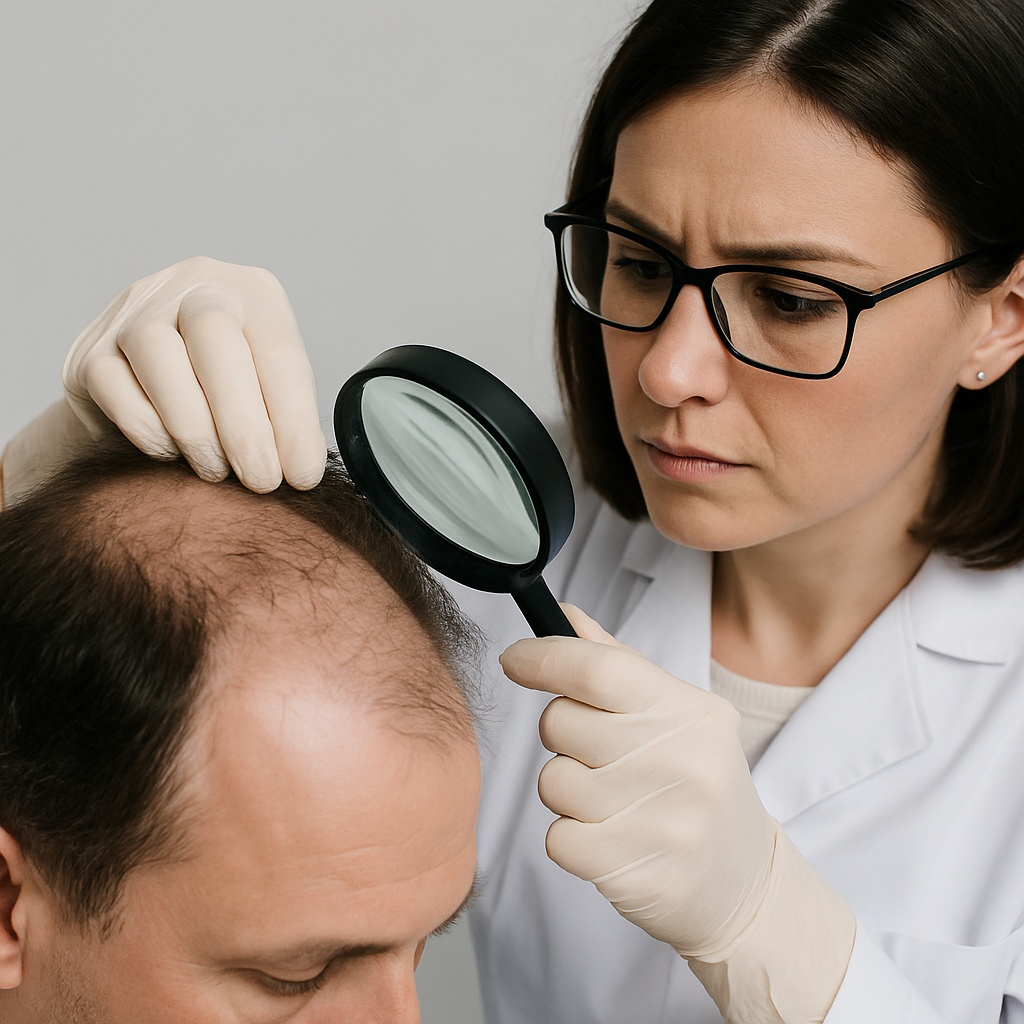
Understanding Hair Thinning: Insights from Dermatologists
Hair thinning is a common concern affecting millions globally. While it's often associated with aging, dermatologists emphasize that hair thinning can occur at any age due to various reasons. This article delves into what hair thinning is, its causes, and what dermatologists recommend for managing it effectively.
What is Hair Thinning?
Hair thinning refers to a reduction in hair density, where the individual strands of hair become finer but not necessarily fall off entirely. This is different from baldness, which involves complete hair loss over certain areas of the scalp.
According to studies, including one published in the Journal of Dermatological Science in 2026, up to 40% of women experience noticeable hair thinning by age 50, while men tend to begin experiencing it even earlier, in their 30s or 40s.
Common Causes of Hair Thinning
Many factors contribute to hair thinning, and understanding these can help in addressing the issue effectively:
- Genetic Factors: Genetics plays a significant role in hair health. Conditions like androgenetic alopecia, commonly known as male or female pattern baldness, are hereditary and account for the majority of cases.
- Hormonal Imbalances: Hormones such as testosterone and estrogen influence hair growth cycles. Imbalances due to conditions like polycystic ovary syndrome (PCOS), pregnancy, menopause, or thyroid disorders can trigger thinning.
- Nutritional Deficiencies: A lack of essential vitamins and minerals like iron, vitamin D, and zinc can affect hair growth. Dermatologists recommend a balanced diet to maintain healthy hair.
- Stress: Chronic stress is known to disrupt the hair growth cycle, leading to conditions like telogen effluvium, where more hair than usual enters the resting phase and sheds.
- Hair Treatments and Styling: Frequent use of heat styling tools, chemical treatments, and tight hairstyles can damage hair cuticles and lead to thinning.
Management and Treatment Options
Dermatologists offer a range of treatments customized to the underlying cause of hair thinning. Here are some dermatologically recommended interventions:
- Minoxidil: Over-the-counter topical solutions containing minoxidil, like Rogaine, are clinically proven to encourage hair growth and are effective for both genders.
- Hair Transplant Surgery: Dermatologists may recommend hair transplants for severe cases. Modern techniques have significantly improved the procedure's success rates and natural appearance.
- Platelet-Rich Plasma (PRP) Therapy: PRP therapy involves injecting platelet-rich plasma derived from the patient's blood into the scalp to stimulate hair follicles.
- Nutritional Supplements: Supplements containing biotin, silica, and amino acids may support hair health. However, dermatologists stress the importance of a diet rich in vitamins and minerals.
Emphasizing the importance of early intervention, recent data from 2026 showed that individuals who sought treatment within the first two years of noticing hair thinning had double the chance of reversing the condition compared to those who delayed treatment.
Lifestyle and Preventive Measures
While some causes of hair thinning are unavoidable, certain lifestyle changes can help maintain hair health:
- Healthy Diet: Incorporating foods rich in antioxidants, omega-3 fatty acids, and proteins is beneficial. Foods like salmon, spinach, and walnuts are particularly helpful.
- Gentle Hair Care: Use mild shampoos, avoid excessive heat styling, and practice gentle brushing techniques to minimize damage.
- Stress Management: Practices such as yoga, meditation, and regular exercise can help manage stress levels, indirectly benefiting your hair.
- Regular Scalp Check-Ups: Schedule regular check-ups with a dermatologist to monitor scalp health and catch potential problems early.
Conclusion: Seeking Professional Advice
Your concerns about hair thinning are valid and deserve attention. Dermatologists' expert opinions and treatments offer hope for managing and even preventing further hair loss. If you're noticing signs of thinning hair, consider booking an appointment with a dermatologist to develop a personalized plan suited to your needs.
Gain more insights on hair thinning by visiting trusted resources such as the American Academy of Dermatology and the National Institutes of Health.