Expert Insights: What Gynecologists Recommend About Feminine Washes for 2026
Curious about feminine washes in 2026? Discover what leading gynecologists say about using these products and how they fit into modern selfcare routines. Women's health experts weigh in on the benefits and considerations of feminine washes, offering insights that blend science with practical advice.
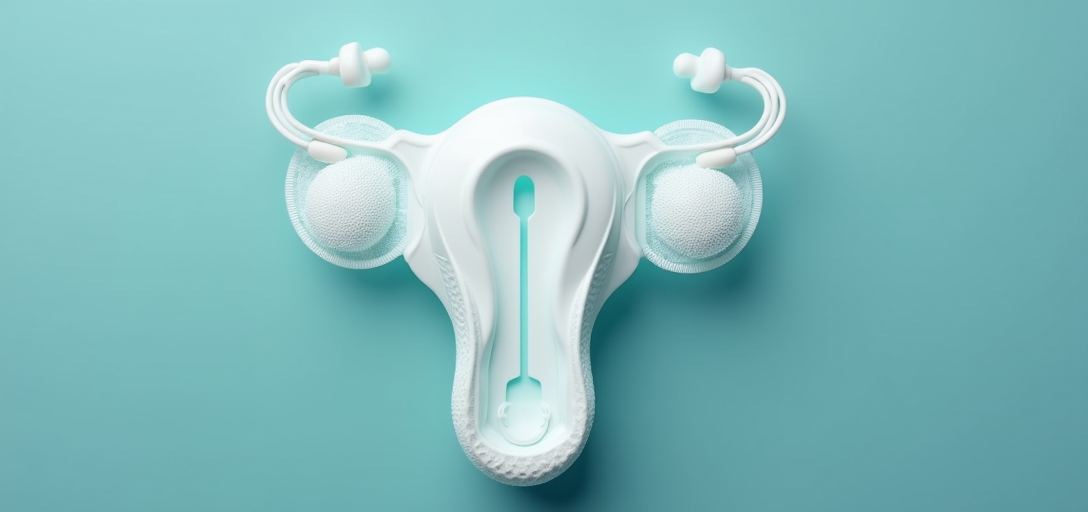
Understanding Feminine Washes
Feminine hygiene products, particularly feminine washes, have been the subject of discussion among healthcare professionals for several years. As we step into 2026, new insights and research continue to shape the views of gynecologists regarding these products.
What Are Feminine Washes?
Feminine washes are cleansing solutions designed to clean and maintain the hygiene of the external genital area. These products often come in the form of gels, foams, or wipes, and they promise to provide a range of benefits from odor control to balancing pH levels. However, their necessity and safety remain points of debate among healthcare experts.
The Gynecologists' Perspective
Gynecologists emphasize that the vaginal area has a self-cleaning mechanism. The vagina naturally maintains its pH balance through the secretion of fluids that keep the area healthy. Most gynecologists in 2026, based on the latest research, advocate for minimal interference with this natural process.
Recent Studies and Findings
Recent research published in the American Journal of Obstetrics and Gynecology in 2026 highlights that using external cleansing products, like feminine washes, is often unnecessary and might disrupt the natural flora of the vagina. The study, involving over 1,000 participants in the US, found that women using feminine washes were more likely to experience vaginal irritation and infections compared to those who did not use these products.
Gynecologists generally recommend sticking to lukewarm water and mild, unscented soap for cleansing the external vulva area. This approach reduces the risk of irritation and allergic reactions often associated with scented or chemical-laden feminine washes.
Common Misconceptions About Feminine Hygiene
Despite advice from medical professionals, several misconceptions about feminine hygiene persist. These misconceptions often lead consumers to purchase and use products that could disrupt vaginal health.
- Misconception 1: Feminine washes are necessary for cleanliness. Truth: The vagina is self-cleaning, and external vulvar hygiene does not require specialized products.
- Misconception 2: Feminine washes can prevent infections. Truth: Overuse can actually increase the risk of infections by disturbing the natural balance of bacteria.
- Misconception 3: Scented products are better. Truth: Fragranced products are more likely to cause allergic reactions and irritations.
Alternatives to Feminine Washes
For those seeking to maintain optimal feminine hygiene, gynecologists recommend simple water rinses and the use of fragrance-free, hypoallergenic soap. Here are some practical tips:
- Use lukewarm water to rinse the area and avoid excessive scrubbing or rubbing.
- Pat the area dry with a clean, soft towel — avoid rough towels.
- Wear breathable cotton underwear and avoid tight-fitting clothes to reduce moisture buildup.
- When possible, avoid douching, as it can push harmful bacteria higher into the vaginal canal.
The Future of Feminine Hygiene: Trends to Watch
As awareness about feminine hygiene continues to grow, so does the market for innovative and safe products. Emerging trends include:
- Natural Ingredients: Formulations using plant-based, natural ingredients are on the rise, aiming to provide gentle care without synthetic chemicals.
- Probiotic Products: Products infused with probiotics claim to support the natural bacterial flora by introducing healthy bacteria.
- Custom Solutions: Personalized hygiene solutions tailored to individual pH balances and microbiomes are gaining popularity.
Conclusion: Balancing Hygiene and Health
In conclusion, while the market for feminine washes remains robust, gynecologists in 2026 advocate for minimal use of these products, focusing instead on natural body processes and routines. By educating themselves on proper hygiene practices and understanding the body's natural mechanisms, women can maintain health without unnecessary products.
For those interested in more personalized advice, it's best to consult with a gynecologist who can provide recommendations based on individual health needs and concerns.
For further reading and expert insights, consider checking resources such as the American College of Obstetricians and Gynecologists or the Office on Women's Health for up-to-date advice and guidelines.
https://www.acog.org/womens-health/faqs/vulvovaginal-health?utm_source=chatgpt.com