Expert Tips for Choosing the Perfect Lawn Mower for Your Yard
Exploring options to pick the right lawn mower can be overwhelming with so many features and types available.
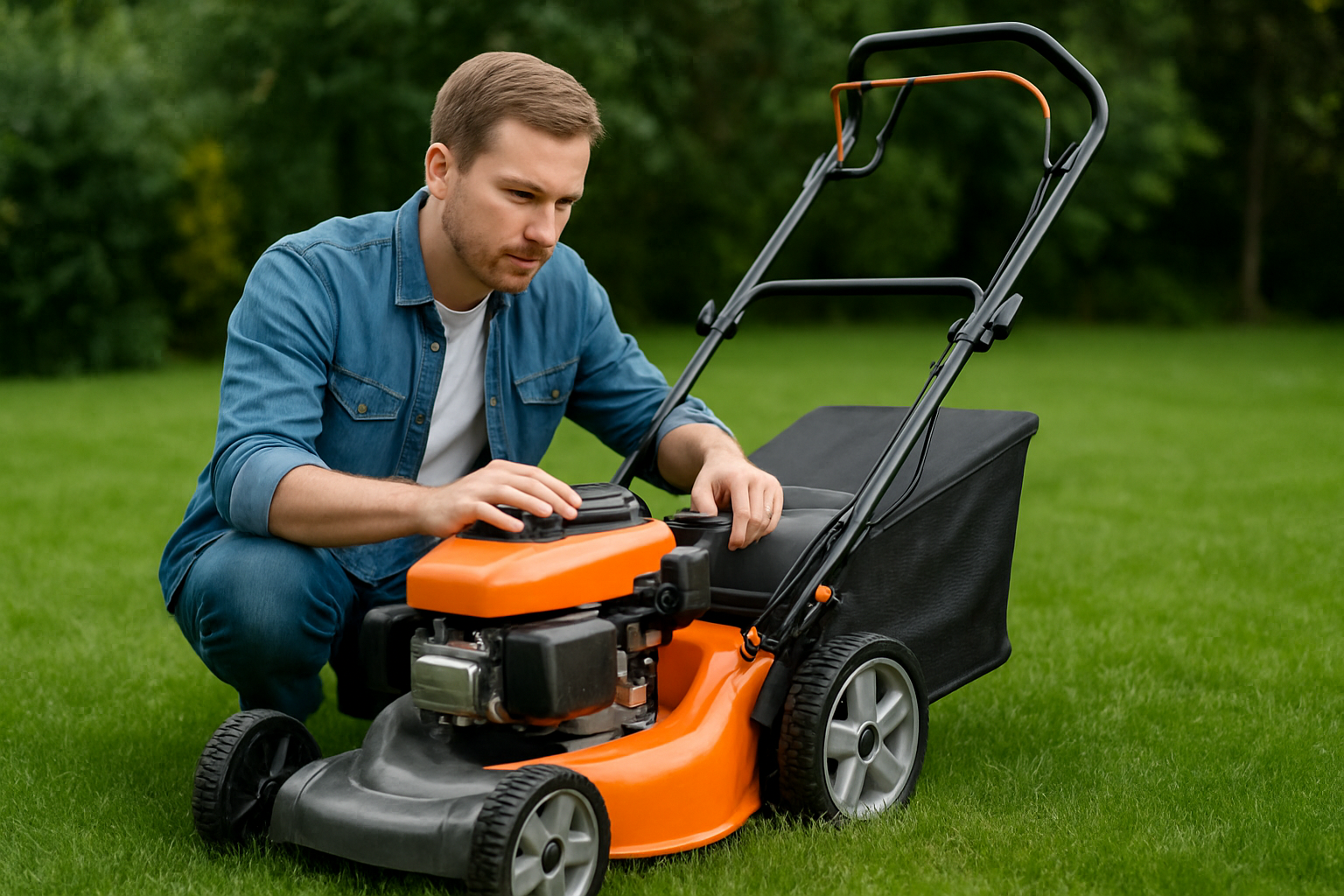
Understanding Different Types of Lawn Mowers
Choosing the right lawn mower starts with understanding the different types of machines available on the market. Lawn mowers come in various forms, each with unique features tailored to different needs. Depending on your lawn size, terrain, and personal preferences, you might opt for a specific type of mower. Let's delve into some of the common types you can consider:
Push Mowers
Push mowers are operated manually, making them an excellent choice for small to moderate-sized lawns. They are eco-friendly and help provide a bit of exercise as you mow. Modern push mowers are lighter and more efficient than their predecessors, offering an excellent cut quality without the need for fuel or electricity.
Self-Propelled Mowers
Self-propelled mowers ease the physical exertion by being partially motor-driven. They are ideal for medium-sized lawns or slightly inclined terrains where extra power helps. These mowers allow the user to focus on steering rather than full-force pushing, making the task less physically demanding.
Electric Mowers
Electric mowers come in two main types: corded and cordless. Corded mowers provide continuous power but limit movement due to the cord length. Cordless models offer greater freedom as they run on batteries, but require regular charging. Electric mowers are known for their quiet operation and minimal environmental impact, perfect for urban or suburban residents who value noise and air quality.
Riding Mowers
Riding mowers are suitable for larger properties, generally an acre or more in size. They can cover more ground with less fatigue. Models range from traditional designs, resembling small tractors, to zero-turn mowers that offer superior maneuverability, allowing for intricate lawn patterns and precision trimming.
Robotic Mowers
The latest innovation in lawn care technology, robotic mowers handle the task autonomously. Controlled via smartphone apps, they are an efficient choice for tech-savvy homeowners who prefer a 'set it and forget it' approach. Robotic mowers can handle a variety of terrains autonomously and recharge themselves between mowing sessions.
Factors to Consider When Choosing a Lawn Mower
Once you have an idea of the type of mower you're interested in, evaluate other factors to determine the best fit for your specific needs:
Lawn Size and Terrain
The size and characteristics of your lawn are crucial in determining which mower to choose. Push mowers are generally ideal for lawns under ¼ acre, while self-propelled, electric, and riding mowers work better for larger or hilly areas. Keep in mind landscaping features like flower beds and trees, which may require precision that is difficult for larger mowers to handle.
Power Source
Consider the power source that best aligns with your preferences. Gas-powered mowers offer unrestricted runtime and power but require regular maintenance. Electric mowers offer a quieter experience with less maintenance but are limited by battery life or cord length.
Cutting Width and Height Adjustment
A wider cutting width means fewer passes to mow the lawn, which can save time, particularly on larger properties. Adjustable cutting heights allow for the customization of grass length, which is beneficial for the seasonality and personal aesthetic preference.
Budget
Set a budget based on the level of features and performance you need. Basic push mowers can start as low as $100, while sophisticated riding mowers and robotic mowers can exceed $1,000. Weigh initial costs against long-term benefits, maintenance, and operational costs.
Maintenance Tips for Lawn Mowers
Proper maintenance extends the life of your mower and ensures consistent performance. Here are practical maintenance tips:
- Regular Cleaning: Remove debris and grass clippings from the mower deck after each use to prevent rust and buildup.
- Blade Sharpening: Sharpen the blades at least once a season to ensure a clean cut, which also promotes healthier lawn growth.
- Oil Changes: For gas-powered mowers, change the oil every 25-50 hours of use or at the start of each season.
- Battery Maintenance: For electric mowers, keep the battery charged and stored in a cool, dry place during the off-season.
- Annual Inspection: Check the spark plug, air filter, and belts for wear and replace them as needed.
Conclusion
Picking the right lawn mower involves understanding your specific needs, from the size and terrain of your lawn to your personal preferences in terms of maintenance and operation. By considering all these factors, you can find a mower that not only meets your current needs but can also adapt to potential changes in your lawn care regimen. For further insights on lawn mower effectiveness and comparisons, the National Gardening Association provides up-to-date reviews and guides [source]. Additionally, resources like Consumer Reports offer yearly updates on product ratings and reliability [source].