Expert Tips for Safely Cleaning Your Fine Gold and Silver Jewelry at Home
Discover tips for cleaning fine gold and silver jewelry at home without scratching it. Learn how to maintain the shine and beauty of your treasured pieces with gentle techniques. Avoid common cleaning mistakes and explore safe, effective methods to care for your collection.
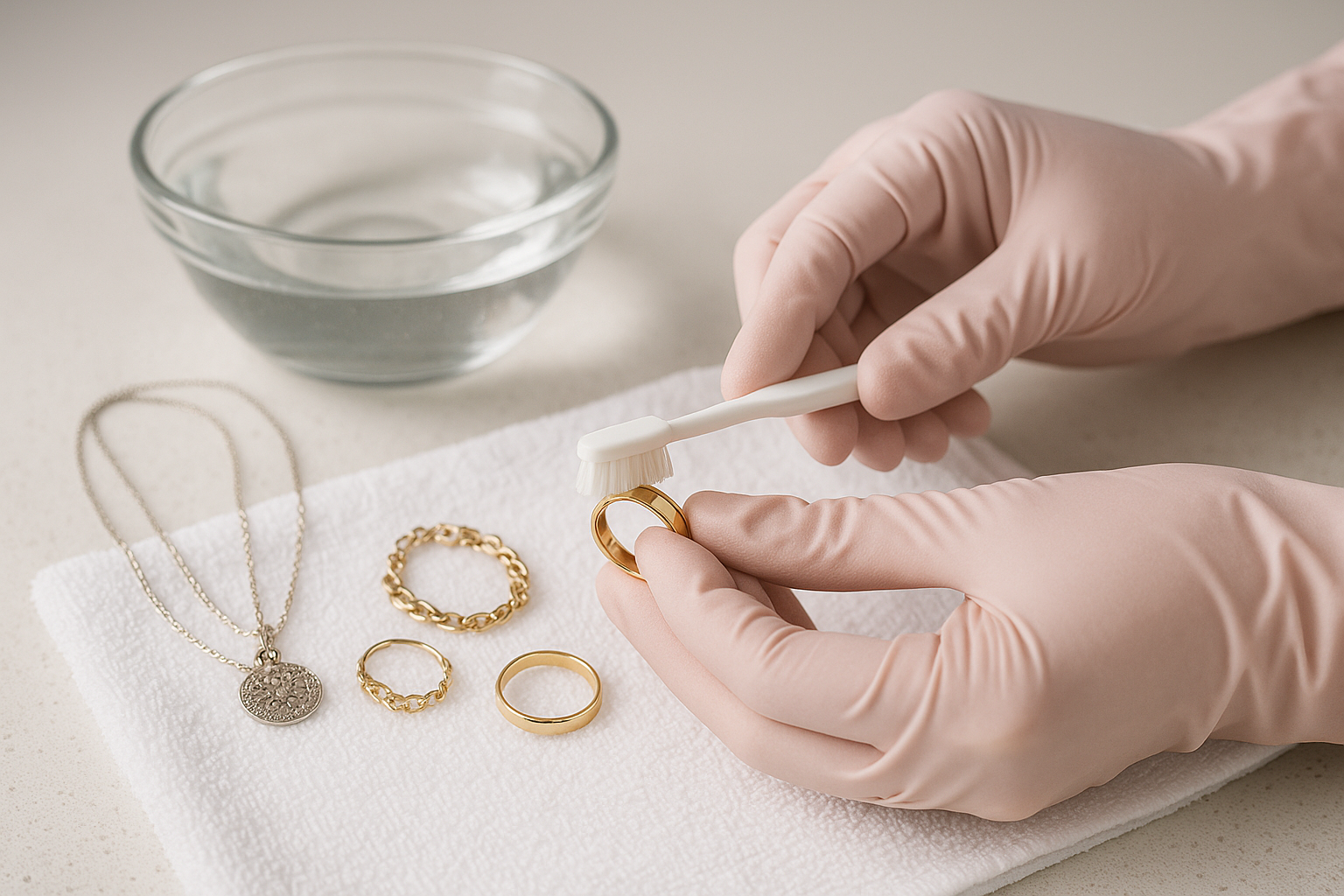
Understanding the Composition of Fine Gold and Silver Jewelry
Before diving into cleaning methods, it's essential to understand what constitutes fine gold and silver jewelry. Most fine jewelry is an alloy, meaning it's mixed with other metals to enhance its strength and durability. Pure gold, known as 24 karat gold, is too soft for crafting everyday jewelry, so it's often mixed with metals like copper or silver. Similarly, sterling silver consists of 92.5% silver and 7.5% other metals such as copper to increase sturdiness.
Knowing these compositions helps us understand why specific cleaning methods are necessary. While copper-enhanced pieces are more durable, they are prone to oxidation and tarnishing, necessitating gentle cleaning techniques.
Why Proper Cleaning is Essential for Jewelry Longevity
Maintaining the shine and integrity of your fine gold and silver jewelry is paramount for preserving its value and beauty. Regular wear can expose jewelry to dirt, oils, and chemicals, which may cause tarnishing or scratching. According to a 2026 study by the Jewelers of America Association, appropriately maintained jewelry can last twice as long as neglected pieces, emphasizing the importance of regular upkeep.
Using improper cleaning techniques can do more harm than good, potentially stripping pieces of their finish or causing irreversible scratches. Thus, awareness and adherence to correct methods are vital.
Key Considerations When Cleaning Fine Jewelry at Home
Selecting the Right Cleaning Tools
The tools you use significantly impact the cleaning process's safety and effectiveness. Essential tools include:
- Soft polishing cloths: These are ideal for all types of jewelry, minimizing the risk of scratching surfaces.
- Specific jewelry brushes: These often have soft bristles designed to clean intricate details without damage.
- Gentle cleaning solutions: Opt for ammonia-free solutions or mild dish soap mixed with warm water.
The Do's and Don'ts of Jewelry Cleaning
Do's
- Conduct a spot test: Before full cleaning, test your cleaner in an inconspicuous area to ensure no adverse reactions.
- Use boiling water carefully: Only sterilize pieces that can withstand high heat - typically pieces without gemstones.
- Rinse thoroughly: After cleaning, make sure all cleaning agents are washed away to prevent residues that could dull the finish.
Don'ts
- Avoid harsh chemicals: Bleach and acetone can cause discoloration and irreversible damage.
- Don't use abrasive materials: Items like toothpaste or baking soda can scratch the surfaces of fine metals.
- Skip ultrasonic jewelry cleaners: The intense vibrations can damage intricate settings and gemstones.
Step-by-Step Guide to Cleaning Fine Gold and Silver Jewelry
Cleaning Gold Jewelry
For gold pieces, simplicity and gentleness are key. Here’s a step-by-step method:
- Fill a small bowl with warm water and a few drops of mild dish soap.
- Let your gold jewelry soak for 15 to 20 minutes.
- Gently scrub the jewelry with a soft-bristled brush.
- Rinse with cool water and pat dry with a soft cloth.
- For added shine, buff softly with a microfiber cloth.
Cleaning Silver Jewelry
Silver jewelry can tarnish over time, necessitating more frequent cleanings:
- Create a cleaning solution with three parts baking soda to one part water, forming a paste.
- Apply the paste using a damp cloth, gently rubbing the tarnished areas.
- Rinse with cool water and dry thoroughly with a microfiber cloth.
- To prevent future tarnishing, store silver pieces in anti-tarnish bags.
Real-World Examples and Tips
Jewelers often employ ultrasound machines for professional cleaning, but does this mean it's suitable for home use? Not necessarily. As noted by the Gemological Institute of America in their 2026 report, the harsh ultrasonic waves can loosen setting stones or even crack them if improperly used.
Consider Real-Life Application: Sarah, a jewelry enthusiast, found her grandmother's silver necklace had tarnished significantly. She successfully cleaned it using the baking soda paste technique and even shared her experience on jewelry forums to help others in similar situations.
Additional Resources and Final Thoughts
With fine jewelry, when in doubt, professional cleaning should be considered for especially valuable or delicate pieces. It's also beneficial to use a professional jeweler’s appraisal before using any new cleaning methods, given the piece's potential worth.
For those interested in further research, check out authoritative sources such as The Gemological Institute of America and The Jewelers of America for insights and advanced care techniques.
In conclusion, with regular care and the right approach, your fine gold and silver jewelry can remain as stunning as the day you acquired it. Stay informed, cautious, and devoted to preserving your treasure's splendor.