Expert Tips on Choosing the Perfect Foundation for Your Skin Type
Unlock the secrets to discovering the best foundation for your skin. Dive into our guide to understand different types, tones, and finishes to find the foundation that complements your skin best. Whether you're seeking a natural glow or full coverage, our tips will empower your choice.
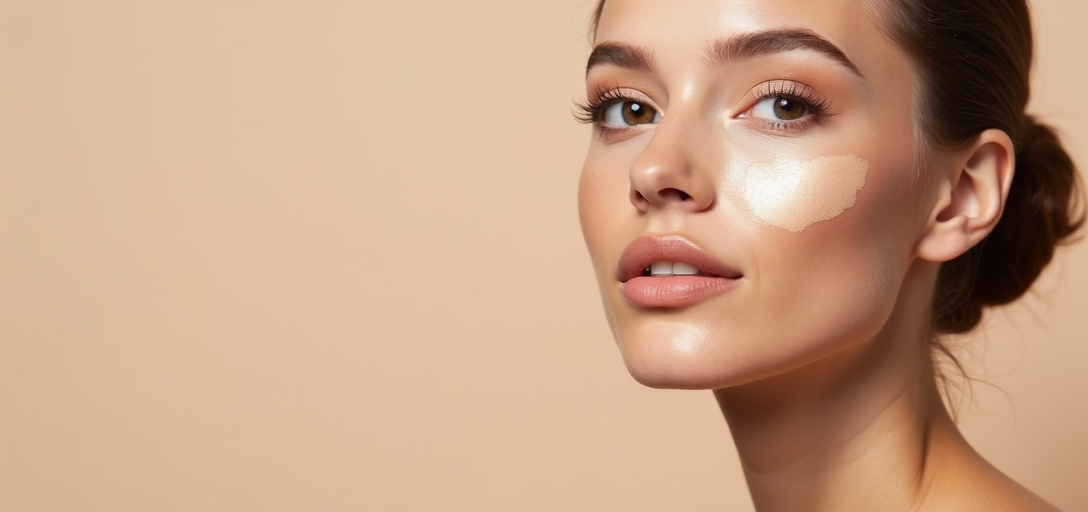
Understanding Your Skin Type
Before selecting the best foundation for your skin, it's essential to understand your skin type. Each skin type interacts differently with makeup products, and choosing the wrong type can lead to issues like clogged pores, dryness, or excessive oiliness.
Identifying Your Skin Type
There are generally four main skin types: oily, dry, combination, and normal. Here's a simple way to identify yours:
- Oily Skin: If your face appears shiny and greasy a few hours after cleansing, you're likely dealing with oily skin. Look for a foundation that is oil-free and matte.
- Dry Skin: If your skin feels tight or flakey, especially after washing, you probably have dry skin. A hydrating or dewy finish foundation may work best for you.
- Combination Skin: This type experiences oiliness in the T-zone (forehead, nose, and chin) but dryness on the cheeks. Balancing formulas which don’t overly dry or moisturize specific areas are ideal.
- Normal Skin: If you don’t experience significant issues with oil or dryness, you likely have normal skin. You have the flexibility to experiment with various foundations to suit your preferences.
To ensure accuracy, consider seeing a dermatologist, or conduct a thorough test at home by examining your skin throughout a day under various conditions.
Key Ingredients to Look For
The ingredients in your foundation can make a significant difference in how it interacts with your skin. Here are some common ingredients that work well for different skin concerns:
Hydrating Ingredients for Dry Skin
If you have dry skin, look for foundations that contain moisturizing ingredients like hyaluronic acid, glycerin, or squalane.
- Hyaluronic Acid: Known for retaining moisture, it keeps the skin hydrated throughout the day.
- Glycerin: Acts as a humectant that draws moisture to the skin.
- Squalane: An excellent natural moisturizer that mimics the skin's own lipid productions.
Mattifying Ingredients for Oily Skin
For oily skin types, ingredients that help control oil production are crucial.
- Silica: Helps absorb excess oil.
- Clay: Often used for its oil-absorbing properties.
- Charcoal: Balances oil and removes impurities.
Coverage Options
Understanding your desired coverage will help you choose a foundation that suits your daily needs. Depending on your goals, you can select from light, medium, and full coverage foundations.
Light Coverage
Perfect for casual, everyday wear or a more natural look, light coverage foundations often come in the form of tinted moisturizers or BB creams. They even out the skin tone and provide a radiant finish.
Medium Coverage
This is ideal for those who want to cover minor imperfections but still enjoy a natural look. Medium coverage foundations can offer a more polished appearance while still being lightweight.
Full Coverage
Best for covering major imperfections or creating a flawless complexion for events or photography, full coverage foundations effectively hide acne, scars, and discoloration. However, they can be heavier and may require a more diligent skincare routine to avoid clogging pores.
Shade Selection Guide
One of the most challenging aspects of buying foundation is finding the perfect shade match. A precise match can enhance your natural beauty, while a misstep might stand out noticeably.
Determining Your Undertone
Knowing whether your undertone is cool, warm, or neutral can significantly simplify your shade selection:
- Cool Undertones: Usually, these skin tones have hints of pink, red, or bluish undertones.
- Warm Undertones: Skin with golden, yellow, or peachy undertones falls under this category.
- Neutral Undertones: A mix of both warm and cool undertones.
A quick test is to see the color of your veins. If they are blue or purple, you might have cool undertones. Green veins indicate warm undertones, whereas a mix suggests a neutral undertone.
Application Techniques for a Flawless Finish
After choosing the right foundation, proper application is key to achieving a smooth, natural-looking finish.
Tools of the Trade
Various tools can be used to apply foundation, including brushes, sponges, and even fingers:
- Brushes: Ideal for even application; small brushes are good for detailed areas.
- Sponges: Offer an airbrushed finish by pressing foundation into the skin.
- Fingers: Great for blending creamier products due to body heat, but less sanitary.
Step-by-Step Application
For an even, natural finish, follow these steps:
- Start with a clean, moisturized face.
- Priming your skin can help your makeup last longer and create a smooth canvas.
- Begin applying foundation in the center of your face. Blend outward to avoid obvious lines.
- Use a damp sponge for a seamless, natural look, especially around the hairline and jawline.
- Set your foundation with a light dusting of translucent powder.
- Canadian Dermatology Association
- CBC Life - Choosing the Best Foundation
- Allure - How to Choose Foundation According to Skin Type