Explore Sustainable Energy Solutions with ALDI's New Home Battery Installation Packages
Discover how ALDI is expanding its energy solutions with its Home Battery Add On Installation Packages. This new offer could help you explore more efficient home energy options.
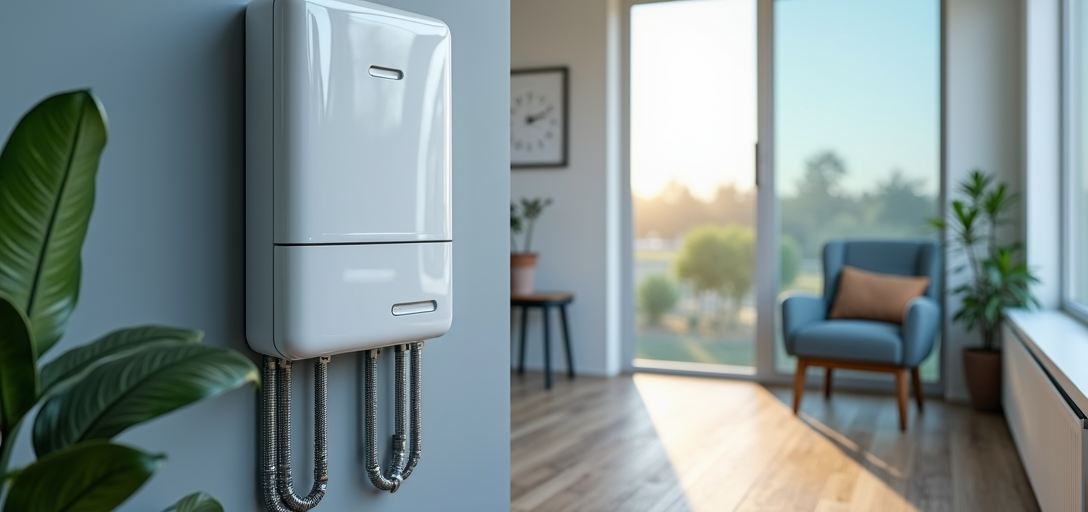
Understanding Home Battery Backup Systems
Home battery backup systems are becoming an increasingly popular choice for homeowners looking to enhance their energy independence and harness the power of renewable energy. As companies like ALDI Australia begin to offer home battery add-on installation packages, it's vital to understand what these systems entail and how they can benefit your household.
What Is a Home Battery Add-On Installation Package?
A home battery add-on installation package typically includes a home battery unit, an inverter, and the necessary installation services. This package allows homeowners to store energy generated from renewable sources, such as solar panels, for later use. ALDI's entry into the market is making these systems more accessible to Australians.
Key Benefits of Home Battery Systems
- Energy Independence: With a home battery, you can store excess energy produced during the day for use when energy demand is higher or when solar panels aren't producing power.
- Cost Savings: By utilizing stored energy, homeowners can significantly reduce their reliance on the grid, lowering electricity bills.
- Environmental Impact: Using stored solar energy reduces the need for fossil fuels, contributing positively to environmental conservation efforts.
How Do Home Battery Systems Work?
These systems work by storing energy captured during peak generation periods, such as sunny days for solar-powered homes. The stored energy can then be used during peak demand periods, night time, or during power outages.
Components of a Home Battery System
- Battery: The primary component where energy is stored.
- Inverter: Converts stored DC power to AC power for household use.
- Battery Management System (BMS): Monitors and manages the health of the battery.
Choosing the Right System for Your Home
When selecting a home battery system, there are several critical considerations:
Capacity and Size
Battery capacity is measured in kilowatt-hours (kWh). A typical Australian household may require a system ranging from 5-15 kWh depending on daily energy usage and solar panel output. It's essential to assess your home's energy needs to select an appropriately sized system.
Compatibility with Existing Solar Systems
Ensure your chosen battery system is compatible with your existing solar setup. Most modern systems are designed to work with a wide range of solar inverter brands and models.
Long-term Reliability and Warranties
Consider systems that come with extensive warranties and have a proven track record for reliability. For instance, warranties typically range from 5 to 10 years and cover various components of the battery system.
The Impact of ALDI's Offering in Australia
ALDI's entry into the home battery market represents a significant shift, making energy storage solutions more accessible and affordable to a broader consumer base in Australia.
Market Influence
Historically, Australia has been at the forefront of adopting renewable technologies, and ALDI's move supports this trend. According to a 2025 report by the Australian Renewable Energy Agency (ARENA), the country is expected to see a 10% increase in home battery installations year-over-year. ALDI's competitive pricing and package deals are likely to contribute to this growth. (ARENA)
Consumer Considerations
Customers will need to understand not only the upfront costs but also the potential savings on energy bills, which can be significant over time. The Australian Government's Clean Energy Regulator provides guidelines and potential rebates, which could further decrease costs for new adopters. (Clean Energy Regulator)
Real-World Examples and Case Studies
Several Australian households have successfully integrated home battery systems, realizing substantial savings and energy security. A family in Brisbane reported reducing their electricity bill by approximately 70% after a year of installing a 10 kWh battery system, showcasing the practical benefits and return on investment these systems offer.
Frequently Asked Questions
How Long Do Home Batteries Last?
The lifespan of home batteries depends on the usage patterns and type of battery technology. Most lithium-ion batteries, commonly used in residential settings, have a lifespan ranging from 7 to 15 years.
Is It Worth Investing in a Home Battery System?
Investment in a home battery system can be worthwhile, especially for those who consume a lot of electricity from renewable sources. The decision should be based on analyzing energy usage, potential savings, and incentives like rebates or tax credits.
Conclusion
As companies like ALDI offer innovative home battery installation solutions, understanding the benefits and operations of these systems becomes crucial for informed purchasing decisions. Whether motivated by cost savings, environmental benefits, or energy independence, home battery systems represent a future-forward energy solution for Australian households.