Explore the Top 5 AI Image Editing Tools Revolutionizing 2026
Discover the top 5 AI tools for image edits in 2026 as we explore the cuttingedge technologies that are set to transform your photo editing experience. These tools promise innovative features to help both amateur and professional editors enhance their images effortlessly.
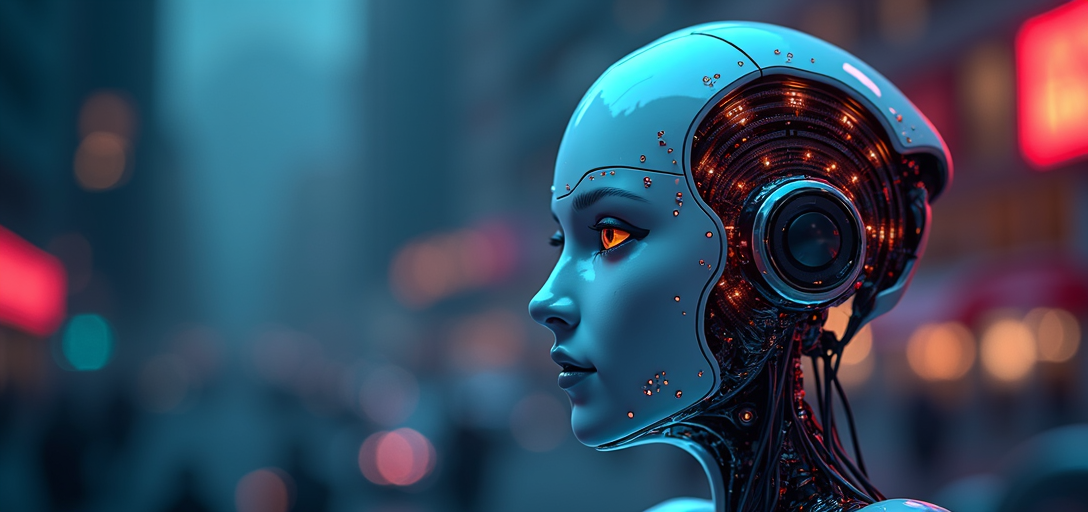
The Top 5 AI Tools for Image Edits in 2026
As we advance further into the future, technology continues to evolve at an unprecedented pace. The field of artificial intelligence (AI) is no exception, especially when it comes to applications in image editing. Whether you are a professional photographer, a social media influencer, or simply someone who enjoys tinkering with images, understanding the capabilities of 2026's top AI tools for image edits can vastly enhance your creative work. Below, we will explore the top five AI image editing tools this year, answering key questions you might have about their features, usability, and unique offerings.
1. Adobe Sensei
Adobe Sensei continues to be a leader in creative technology in 2026. Originating as part of the Adobe Creative Cloud, Sensei utilizes AI and machine learning to simplify complex editing tasks.
- Key Features: Auto-tagging, facial recognition, and content-awareness that suggest edits based on image content.
- Real-World Application: Adobe Sensei can redraw eyebrows, adjust lighting to fit particular moods, and generate Photoshop-like layer effects automatically. Its smart cropping feature tailors images for various social media platforms without losing key elements.
As per Adobe's most recent report, these tools have increased efficiency by 60% among professional users, allowing creators to focus more on conceptualization than execution. Read more on Adobe Sensei here.
2. Luminar AI
Luminar AI by Skylum remains a user-friendly alternative for those looking to enhance their images with the power of AI, without needing in-depth knowledge of photo editing.
- Key Features: Sky replacement, AI-powered composition suggestions, and AI-based skin enhancements.
- Real-World Application: A landscape photographer can use Luminar AI to replace overcast skies with a rich sunset, all while preserving natural reflections on water bodies.
In a recent user survey conducted by Skylum, 70% of users reported faster project turnarounds and over 80% joined for its simplicity. See detailed survey results on Luminar's official page.
3. Canva AI
Known initially as a simple web-based design tool, Canva has grown into an AI powerhouse in 2026. They have integrated advanced image generation and editing capabilities into their platform, appealing to both seasoned designers and beginners.
- Key Features: Instant background removal, design templates enhancement, and customizable animation effects.
- Real-World Application: Small business owners frequently use Canva's AI tools to create polished marketing materials without hiring a professional designer.
According to Canva's recent metrics, over a billion designs are generated monthly, with AI-enhanced templates being a top choice for users worldwide. Discover more insights at Canva’s AI page.
4. Google's DeepArt
Originally launched as an experimental platform, DeepArt by Google has matured into a sophisticated image editing suite that leverages the capabilities of deep learning to transform photographs into art.
- Key Features: Style transfer algorithms, artistic effect enhancements, and real-time photo transformations.
- Real-World Application: DeepArt can transform a simple photo into the style of famous painters like Van Gogh or Monet, creating digital artwork from standard photographs.
Google states that using DeepArt, the number of digital artworks created has tripled, making style transfer a mainstream phenomenon. Additional information is available on their DeepArt project page.
5. DALL-E 3 by OpenAI
Following its predecessors, DALL-E 3 pushes the boundaries of what’s creatively possible with image generation, enhancing its utility for personnel across sectors.
- Key Features: Text-to-image generation, fine-tuned aesthetic controls, and the ability to create imaginative scenes from prompts.
- Real-World Application: Authors and illustrators can instantly generate visuals for storyboards and concept art, reducing reliance on traditional illustrative techniques.
A recent study on DALL-E's impact shows its broad usage among various industries, significantly streamlining creative processes with its diverse image outputs. For more details, visit OpenAI's official page on DALL-E 3.
Conclusion
As we've explored, these top five AI tools offer remarkable capabilities that cater to both amateurs and professional creators alike. 2026 is an exciting year for AI in image editing, expanding possibilities and catalyzing creativity in ways previously unimaginable. When choosing a tool, it’s essential to consider your specific needs and how these features can best serve your goals. Each tool offers strengths that can uniquely complement various projects, ensuring that whatever vision you have can be brought to life efficiently and elegantly.