Explore the Top 5 Genuine Government Home Loan Programs for People with Disabilities in the USA
Discover essential information about the top 5 government home loan programs for disabled individuals in the USA. These programs offer unique opportunities for eligible recipients, potentially easing the financial challenges of homeownership.
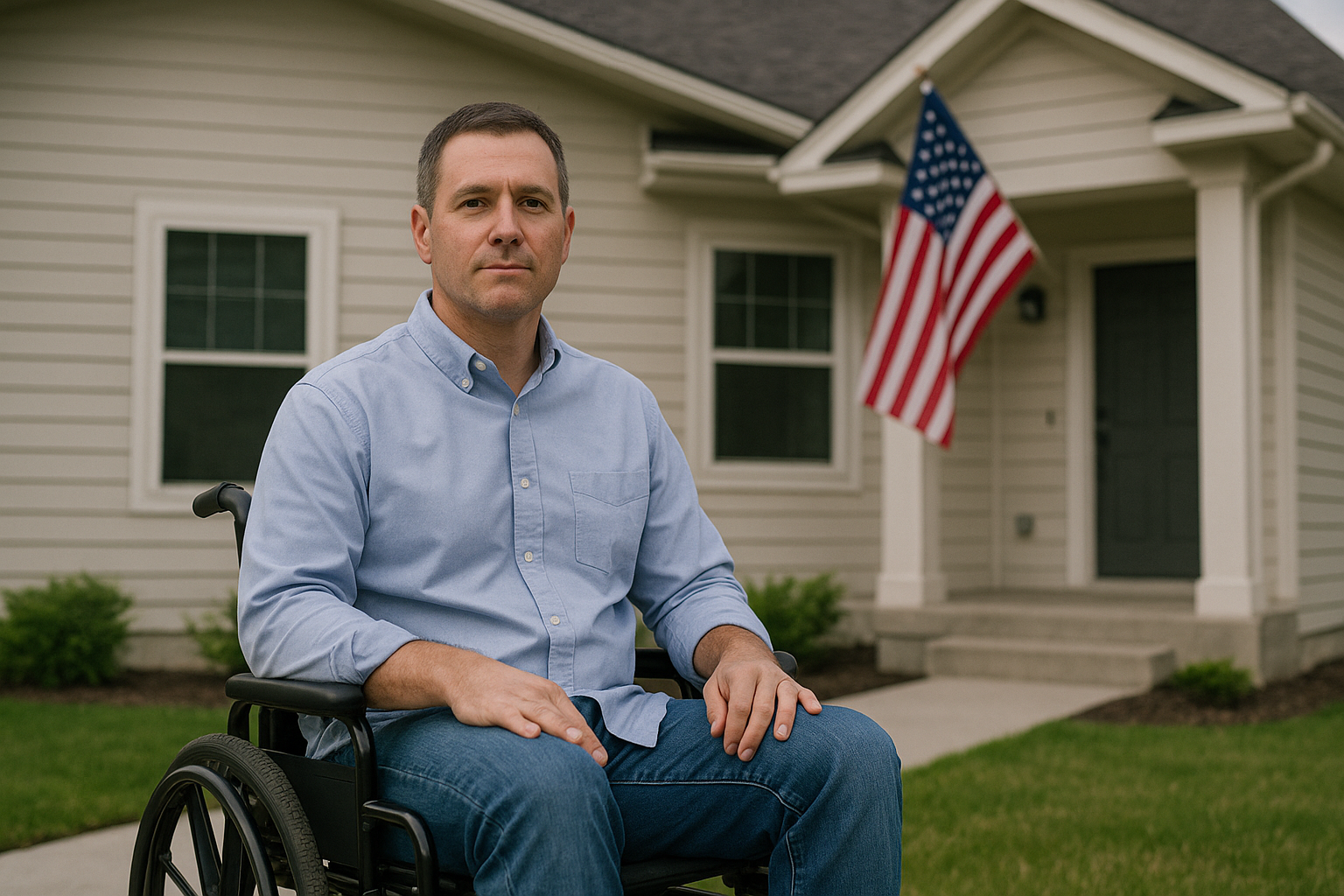
Understanding Government Home Loan Programs for Disabled Individuals
Homeownership is a crucial element of the American dream, but for individuals with disabilities, the process can be filled with unique challenges. Fortunately, the U.S. government has developed specific programs aimed at assisting disabled individuals in securing home loans. These programs are designed to provide financial assistance and favorable loan terms, making it easier for disabled individuals to achieve homeownership.
1. FHA Loans
The Federal Housing Administration (FHA) offers loans that are particularly advantageous for disabled individuals due to their low down payment requirements and more lenient credit score prerequisites. As of 2026, the FHA allows down payments as low as 3.5% for qualified buyers.
The main benefits of FHA loans include:
- Lower down payment requirements.
- More flexible credit score standards.
- Accessible mortgage insurance programs.
For example, Jane, who was living with mobility impairments, leveraged an FHA loan to purchase a home that could be easily modified according to her needs. By using an FHA loan, Jane was able to achieve homeownership with minimal upfront cost.
2. VA Home Loans
For disabled veterans, the Department of Veterans Affairs offers comprehensive loan programs. VA home loans are known for requiring no down payment and exempting borrowers from private mortgage insurance (PMI), which significantly reduces monthly costs.
Specific features of VA home loans include:
- No down payment is required.
- No PMI is needed, which reduces monthly payments.
- Lower interest rates.
A disabled veteran, Mike, utilized a VA home loan to purchase a house that suited his needs, contributing to his financial stability while providing a secure living environment.
3. USDA Home Loans
The United States Department of Agriculture (USDA) provides loans for rural areas that are open to disabled individuals. These loans are geared towards people looking to live outside urban centers and offer several benefits.
Key features of USDA loans include:
- No down payment is often required.
- Competitive interest rates.
- Payment assistance may be available.
For instance, Tom found a perfect property in a scenic rural location in the Midwest. A USDA loan enabled him to finance his purchase without a down payment, thereby opening up opportunities outside the city. According to USDA.gov, these programs continue to make rural homeownership accessible.
4. Fannie Mae's HomeReady Mortgage
Fannie Mae's HomeReady mortgage is another viable option for disabled individuals. This program focuses on low-to-moderate-income borrowers who might struggle to secure traditional lending.
Some highlights of the HomeReady mortgage include:
- Low down payment options.
- Flexible sources of funds for down payments, including grants and loans.
- Borrowers can include income from non-borrower household members which helps in qualifying.
HomeReady allowed Lisa, a wheelchair user, to purchase a home without significant cash savings, thereby demonstrating the program's flexibility and inclusiveness.
5. Housing and Urban Development (HUD) 811 Project Rental Assistance
While not a direct home loan program, HUD’s Section 811 program is crucial for providing rental assistance and supportive housing for those with disabilities who are unable to purchase a home. The program is designed to help individuals gain long-term affordable housing solutions.
The program’s key points include:
- Rental assistance providing substantial financial relief.
- Supportive services to foster independence.
According to HUD.gov, this program successfully helps expand housing options for disabled individuals across the nation. For Alex, the HUD 811 program provided a crucial stepping stone towards stable living conditions.
Eligibility Criteria and Application Process
Each government program has specific eligibility criteria based on factors such as income, location, and disability status. It is important for applicants to thoroughly research the requirements of each program prior to applying. Generally, applicants must provide evidence of their disability, detailed income information, and sometimes letters of reference or recommendation.
To begin the application process, potential homebuyers or renters should contact local housing authorities or the appropriate federal agencies for guidance. Furthermore, financial counselors or housing advisors can offer personalized advice and support throughout the application process.
Conclusion
Government home loan programs serve as a valuable resource for disabled individuals who face financial and logistical hurdles in their pursuit of homeownership. By addressing issues such as down payments, interest rates, and income qualifications, these programs open the door to stability and independence. Understanding the benefits and application processes of each can pave the way toward finding the best housing solution tailored to individual needs.
In 2026, these programs continue to evolve, offering various opportunities and support systems to ensure that disability does not pose an insurmountable barrier to achieving homeownership dreams.