Explore Your 2026 Window Replacement Options: A Guide to Modern Choices
Curious about window replacement options in 2026? Explore the newest trends and technologies that enhance energy efficiency and style. Whether you're upgrading for aesthetic reasons or to improve your home's insulation, discover the types of windows that may be available.
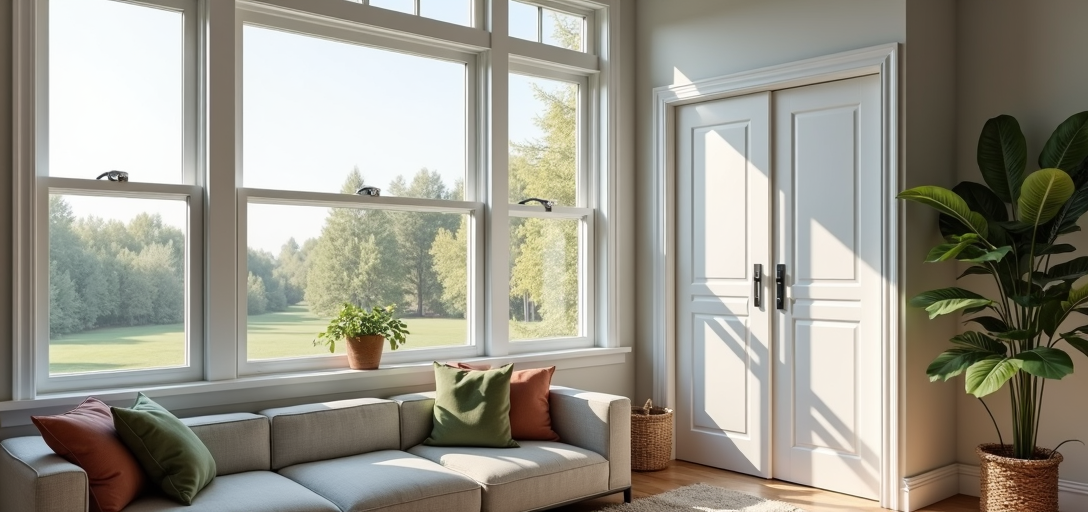
Exploring Window Replacement Options for 2026
As we move further into 2026, the options available for window replacement have evolved significantly. Homeowners are not just looking for functional replacements but are also placing a greater emphasis on energy efficiency, style, and smart technology integration. Whether you're in the process of building a new home or upgrading your current abode, understanding the latest window replacement options can lead to a more comfortable, sustainable, and aesthetically pleasing living space.
Key Trends in Window Replacement
The window replacement market in the United States is witnessing a variety of trends that address homeowners' increasing demand for convenience and sustainability. Here are some of the key trends:
- Energy Efficiency: With rising utility costs and environmental consciousness, energy-efficient windows are a top priority. These windows are designed to minimize heat transfer, helping to maintain your home's temperature year-round and reducing reliance on HVAC systems.
- Smart Technology: Windows with smart technology features, such as automatic tinting and light filtration, are becoming more common. These features enable greater control over natural light and indoor climate, enhancing both comfort and energy savings.
- Sustainable Materials: More consumers are opting for windows made from sustainable materials, like recycled aluminum and composite wood, combining eco-friendliness with durability.
- Customization: Homeowners are increasingly interested in customized window solutions that fit specific aesthetic preferences and architectural styles. Custom shapes, sizes, textures, and colors are now more accessible than ever.
Types of Windows Available in 2026
Knowing the different types of windows available can help in making an informed decision for replacement. Here are some popular options:
- Double-Hung Windows: These are traditional choices that suit many architectural styles. Modern double-hung windows offer enhanced insulation and easy cleaning features.
- Casement Windows: Known for their excellent ventilation and unobstructed views, casement windows are easy to open with a crank mechanism and are often more airtight than sliding windows.
- Sliding Windows: Ideal for areas with limited space, sliding windows are easy to operate and are available with insulated frames and advanced glazing options.
- Bay and Bow Windows: Adding character and additional space, bay and bow windows can dramatically change a room's appearance and increase natural lighting.
- Picture Windows: These fixed windows offer unobstructed views and are often paired with operable windows for ventilation.
Energy Efficiency Considerations
Energy-efficient windows are designed to reduce greenhouse gas emissions and lower energy bills. The advancements in window technology focus on several key components:
- Low-E Glass Coatings: These coatings reflect infrared light, keeping heat inside in winter and outside in summer, while allowing visible light to enter.
- Multiple Panes: Double or triple-glazed windows with inert gas, like argon or krypton between the panes, improve insulation significantly.
- Quality Frames: Materials such as vinyl, wood, and fiberglass improve thermal resistance.
In the US, homeowners can benefit from federal incentives for installing energy-efficient windows, lowering the upfront costs and improving the return on investment. According to the Department of Energy, proper window replacements can save you between 25%-30% on heating and cooling costs.
Smart Window Technology
Integrating smart technology into windows is a rapidly growing trend. These windows offer features such as:
- Electrochromic Glass: Capable of changing tint with a remote or app, providing privacy and energy savings at a touch.
- Automated Blinds and Shades: These can be scheduled or sensor-activated, optimizing natural light and privacy needs throughout the day.
- Smart Glazing: Adapts to sunlight intensity, modulating light entry and maintaining indoor temperature.
Smart window technology not only adds convenience but also contributes to the home's overall energy efficiency. For example, electrochromic glass can reduce lighting and cooling costs by 20%-30% according to research conducted by the National Renewable Energy Laboratory.
Choosing the Right Window for Your Home
When deciding on window replacements, it’s crucial to consider your home’s architectural style, climate, and personal preferences. Here are some tips to guide you through the process:
- Consider Climate: Select windows with the right U-factor and solar heat gain coefficient (SHGC) ratings for your region. Colder climates require lower U-factors to keep heat in, while warmer regions benefit from low SHGC to repel solar heat.
- Style Compatibility: Ensure the new windows complement your home’s style. Historical homes might benefit from traditional sash windows, while contemporary houses could look best with large, clean-lined picture windows.
- Professional Installation: Poor installation can negate the benefits of high-performance windows. Hiring certified professionals ensures that windows are installed correctly, maintaining warranty and performance standards.
- Budget Considerations: While energy-efficient and smart windows require more upfront investment, they offer long-term savings through reduced energy bills and increased home value.
Conclusion
As technology and environmental considerations continue to evolve, the choices for window replacements expand, offering enhanced functionality, efficiency, and style. Staying abreast of market trends and options available in 2026 will equip homeowners with the knowledge to make the best decisions for their home improvements.
For more detailed guidelines and the latest information on energy-efficient windows and potential savings, you can explore Energy.gov and Efficient Windows Collaborative.