Explore Your Home Heating Options: What to Consider Before Replacing Your Furnace
Looking to upgrade or replace your furnace and unsure of the best options? Explore various home heating options to ensure a comfortable choice. From traditional systems to modern alternatives, understanding each option's benefits will help you make an informed decision tailored to your home's needs.
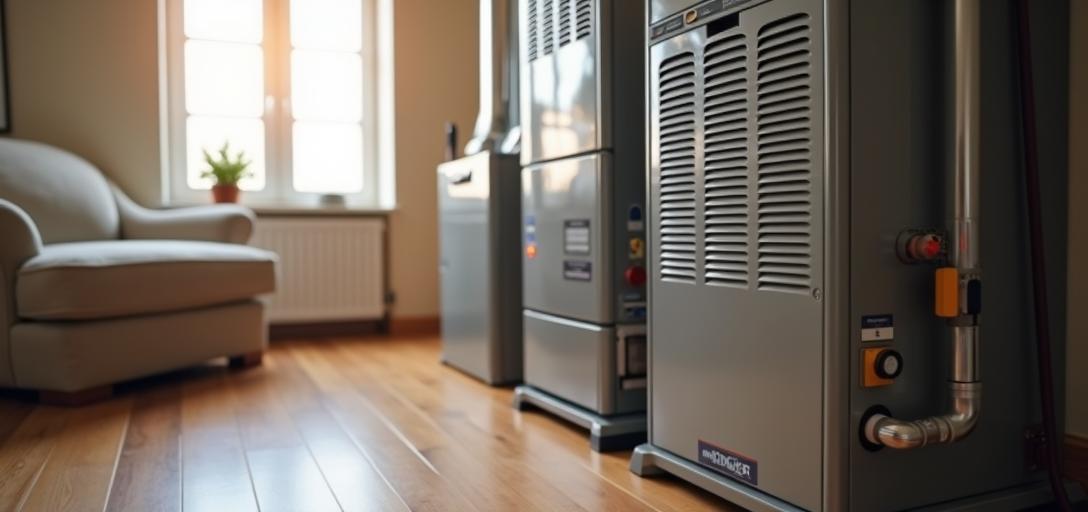
Why You Should Carefully Compare Home Heating Options
As the chill of winter approaches, many homeowners are considering upgrading their furnace or exploring alternative heating options. With advancements in technology and varied heating solutions available, it's wise to compare different systems before making a decision that impacts both comfort and energy expenses. Whether you're aiming for savings, energy efficiency, or the latest in smart home technology, there's a system that fits your needs.
Why Comparing Home Heating Solutions Matters in 2026
The home heating landscape has evolved significantly, with homeowners facing a variety of choices when upgrading their systems. Here’s why comparison is crucial this year:
- Energy Efficiency: With increasing energy costs, choosing a heating solution that maximizes efficiency can lead to substantial savings.
- Environmental Impact: More environmentally-friendly options, like heat pumps, reduce carbon footprint, important for eco-conscious consumers.
- Financial Incentives: Many governments and companies offer rebates or tax credits for certain high-efficiency systems, making cost comparisons essential.
- Variety of Providers: Each brand and retailer offers varying deals and benefits, necessitating careful examination of what each offers.
Comparing Top Home Heating Options
| Brand/Provider | System Type | Efficiency Rating | Estimated Cost (USD) | Key Feature |
|---|---|---|---|---|
| Trane | Gas Furnace | 97% | $3,000–$5,000 | Built-in Smart Connectivity |
| Carrier | Heat Pump | 300% Efficient | $4,000–$6,500 | Hybrid Heat System |
| Rheem | Electric Furnace | 100% | $2,500–$4,000 | No Gas Requirement |
Pricing, Financing, and Value Considerations
Budgeting for a new heating system also involves understanding potential financing options and long-term value. Gas furnaces, like those from Trane, typically offer higher initial investments but lower operational costs. Electric furnaces have less upfront cost but can be pricier monthly unless renewable electricity is utilized.
Financing plans from big-box retailers and companies such as Lowe’s or Home Depot provide monthly payment schemes helping mitigate the immediate financial burden. Typically, interest rates vary between 0% and 8% depending on the credit rating and term length.
Trusted Brands and Retailers
When selecting a heating system, it’s beneficial to consider established brands and retailers known for quality and trust. Here's a look at some top options:
- Trane: Known for reliability and efficiency, with extended warranty options.
- Carrier: Offers advanced technology and higher efficiency models that are energy savvy.
- Rheem: Affordable and easy to maintain, ideal for moderate climates.
Best Home Heating Options Based on Needs
| Best For | Option Type |
|---|---|
| Budget Buyers | Rheem Electric Furnace |
| Premium Buyers | Carrier Heat Pump |
| Seniors | Trane Gas Furnace |
| Couples | Dual-Zone Heat Pump |
| Convenience | Smart Connected Systems |
Key Comparison Factors for Buyers
Buyers comparing heating systems should investigate:
- Price: Initial, installation, and long-term operating expenses.
- Financing Options: Monthly payments versus lump-sum purchases.
- Quality and Warranty: Coverage and duration of protection plans.
- Support and Installation: Provider reviews and reliability.
Pros & Cons of Popular Heating Options
- Gas Furnaces:
- Pros: High efficiency, long lifespan.
- Cons: Higher initial costs, requires natural gas line.
- Electric Furnaces:
- Pros: Lower cost, no gas required.
- Cons: Higher energy bills, less efficient.
- Heat Pumps:
- Pros: Energy efficient, dual functionality for heating/cooling.
- Cons: High upfront cost, efficiency varies with climate.
Frequently Asked Questions
Is a heat pump better for the environment than a gas furnace?
Yes, heat pumps are generally more environmentally friendly due to their higher efficiency and renewable energy compatibility.
What financing options are available for a new furnace?
Many providers offer zero-interest or low-interest financing options, so it’s essential to compare plans from trusted retailers.
Conclusion
Choosing the right home heating system requires a thoughtful comparison of options based on efficiency, cost, and long-term value. With 2026 offering varied and innovative solutions, now is the perfect time to select a system that matches your lifestyle and budget. By considering trusted brands and weighing all factors, you can ensure your household stays warm while also maintaining energy efficiency.