Exploring a Career as an Airport Baggage Handler: What to Expect
Explore the dynamic world of airport baggage handler careers and uncover the skills that make you stand out in this essential role. Discover what it takes to keep luggage moving smoothly, the opportunities for growth, and how you can thrive in a busy, fastpaced airport environment.
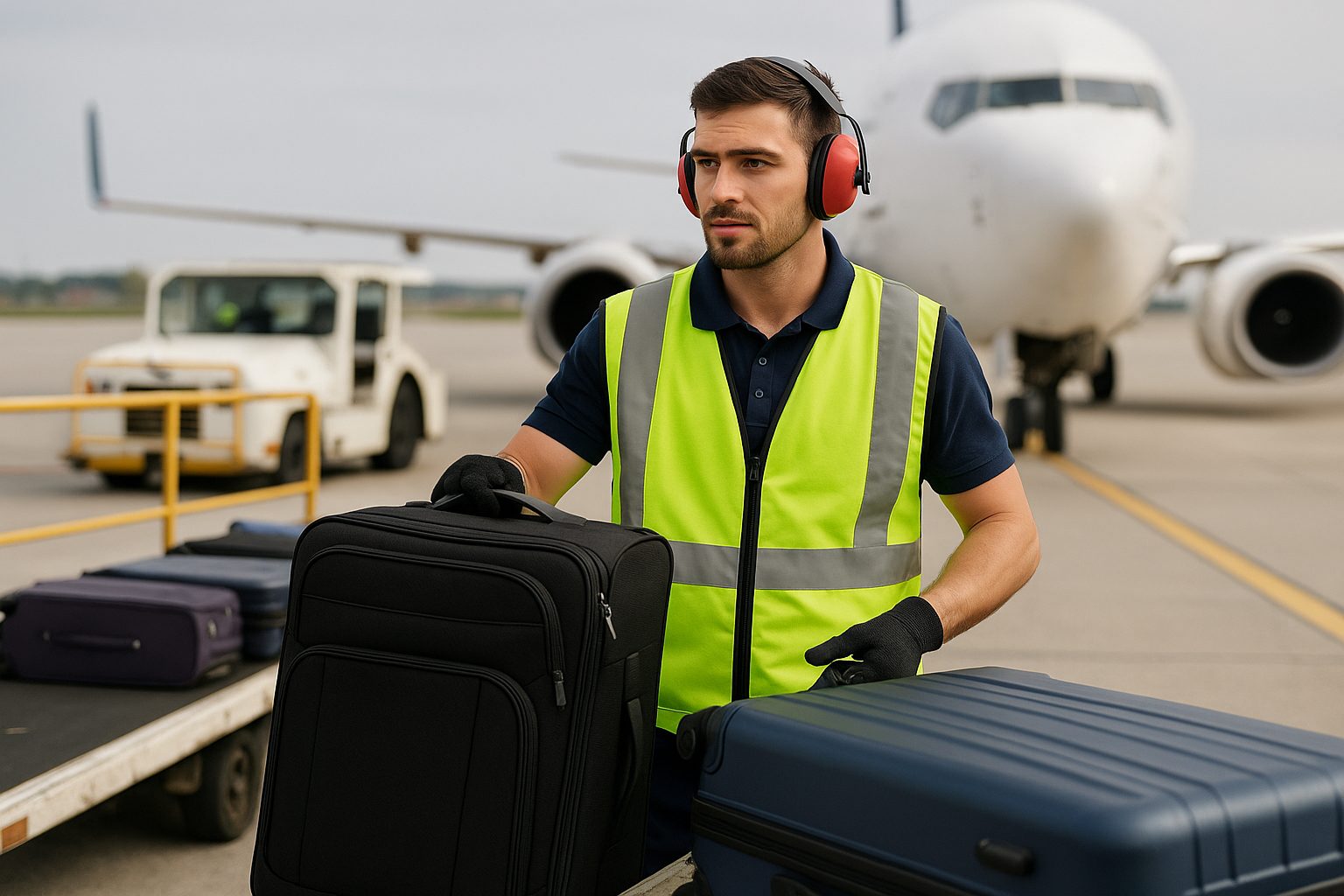
What Does a Career as an Airport Baggage Handler Involve?
An airport baggage handler plays a crucial role in managing the luggage logistics of air travel. From loading and unloading bags onto aircraft to ensuring that passengers' belongings reach their destination safely, the job requires both physical endurance and attention to detail. But today's baggage handlers are not just about brawn; their roles have expanded to use technology for managing the ever-increasing volume of air traffic efficiently.
Baggage handlers often work in variable shifts that cover weekends and holidays. While the physical demands can be high, the work itself is essential for the smooth operation of air travel and offers great career satisfaction for those passionate about logistics and behind-the-scenes industries.
Key Responsibilities of an Airport Baggage Handler
- Loading and Unloading: Safely handling luggage on and off aircraft within tight time frames.
- Luggage Sorting: Ensuring each piece of baggage goes to its correct flight and final destination.
- Equipment Handling: Operating motorized equipment such as conveyor belts and transport vehicles with skill and caution.
- Customer Service: Assisting passengers with baggage claims, lost items, and general inquiries as needed.
Skills and Qualifications Required
While the qualifications for becoming an airport baggage handler can vary by location and employer, there are several essential skills and credentials often required.
Essential Skills
- Physical Fitness: The role is physically demanding, so good health and stamina are key.
- Attention to Detail: Preventing baggage mix-ups requires strict adherence to protocols.
- Communication Skills: Working as part of a team and relating effectively to passengers requires strong communication capabilities.
- Technical Skills: Familiarity with luggage scanning technology and equipment operation.
Educational and Professional Requirements
Most baggage handlers hold at least a high school diploma or equivalent. Training is typically provided on the job, although certain airports may offer specific courses or certifications, particularly focusing on equipment operation and safety standards.
Some airports may require a basic security clearance, which can include a background check as part of their standard hiring process, ensuring safe and secure access to airport facilities.
Pros and Cons of Being a Baggage Handler
Like any profession, being an airport baggage handler has its benefits and drawbacks. Understanding these can help you decide if this career path aligns with your goals and lifestyle.
Advantages
- Job Stability: As long as people fly, there will always be a need for baggage handlers.
- Professional Growth: Opportunities for advancement into supervisory or specialized roles within airport operations.
- Travel Benefits: Many airport jobs offer discounts on air travel for employees and their families.
Challenges
- Physical Demands: The role is physically rigorous, involving lifting, carrying, and working outdoors in various conditions.
- Irregular Hours: Airports operate year-round, requiring shift work including nights, weekends, and holidays.
Career Paths and Growth Opportunities
Starting as a baggage handler offers a gateway into numerous roles within airport operations. With experience, employees can advance to positions such as shift supervisor, ground service coordinator, or move into specialized roles such as logistics or cargo management.
Furthermore, some baggage handlers go on to explore training as certified aviation ground specialists, developing skills that open doors to further career prospects in the broader aviation industry.
Work Environment and Job Outlook
According to industry reports, the air travel sector continues to expand, positively impacting jobs like that of baggage handlers. In 2026, air travel is expected to support approximately 58.1 million jobs globally, highlighting a vital need for skilled personnel in the industry. This growth offers steady job prospects for new and existing baggage handlers [ICAO Report 2026].
Conclusion: Is a Baggage Handler Career Right for You?
Choosing to become a baggage handler can be both rewarding and demanding. If you enjoy physical work, value job stability, and have an interest in aviation, this could be a great fit. With opportunities for advancement and a vital role in ensuring air travel efficiency, you’ll have the chance to develop a stable and rewarding career in the aviation sector.