Exploring Advanced Dental Implant Options Available in 2026
Curious about the dental implant options available in 2026? With technological advancements, new approaches are emerging in the realm of dental implants, offering patients innovative choices tailored to their needs.
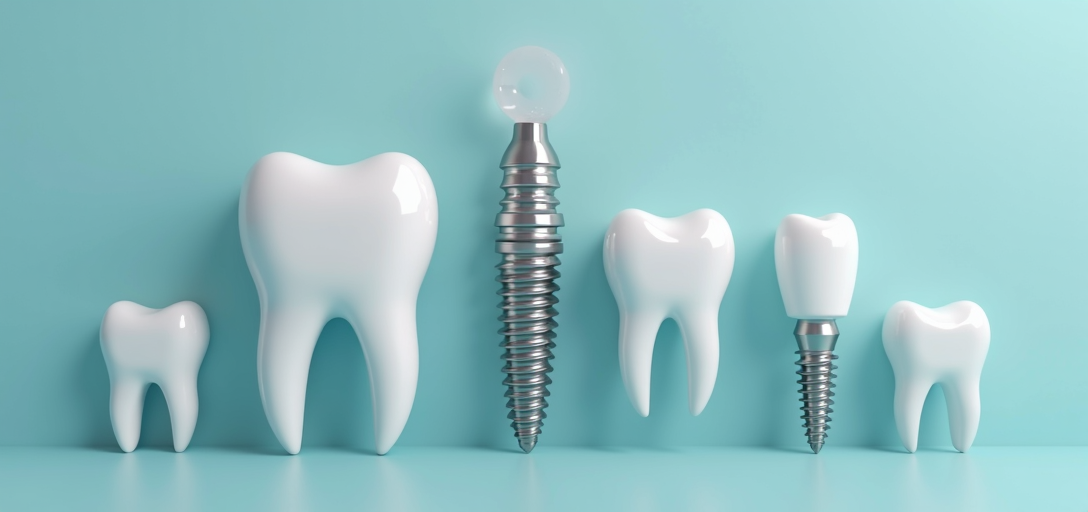
Understanding Dental Implant Options for 2026
As dental technology continues to advance, the options available for dental implants have expanded significantly. For those seeking information on dental implant choices available in 2026, there are a variety of solutions designed to cater to different needs and preferences. This article aims to answer commonly asked questions and offer in-depth insights into what you can expect when considering dental implants this year.
What Are Dental Implants?
Dental implants are artificial tooth roots, similar in shape to screws, that are surgically positioned into the jawbone beneath your gums. Once in place, they allow your dentist to mount replacement teeth onto them. Implants provide a strong foundation for fixed or removable replacement teeth and are an ideal option for people with good general oral health who have lost one or more teeth due to periodontal disease, an injury, or other reasons.
Types of Dental Implants Available in 2026
All-on-4 Implants
This method has gained popularity for providing a full arch of teeth with fewer implants, usually four, thus minimizing surgery time and maximizing effectiveness. This system is ideal for patients needing extensive dental restoration.
Zygomatic Implants
An innovative solution developed for those with severe jawbone loss. Instead of placing the implant into the jawbone, zygomatic implants are anchored into the cheekbone. While this procedure is more complex, it provides a sturdy foundation when traditional implants are not viable.
Subperiosteal Implants
For individuals who do not have adequate healthy jawbone to support an endosteal implant, subperiosteal implants offer a useful alternative. These implants consist of a metal frame fitted onto the jawbone just beneath the gum tissue.
Endosteal Implants
These are the most commonly used type of dental implants in 2026. They are typically made of titanium and are surgically placed directly into the jawbone. After the surrounding gum tissue has healed, a second surgery is needed to connect a post to the original implant, serving as an anchor for one or more artificial teeth.
Latest Innovations in Dental Implant Technology
Recent advancements in dental technology have provided a significant leap forward in the materials and methods used for implants. Here are some cutting-edge options available this year:
Nanotechnology
Innovations in nanotechnology have improved the osseointegration process, enhancing the surface texture of implants to encourage faster healing and stronger bonds between the implant and bone.
Biocompatible Materials
With continuous research, new biocompatible materials are being developed. Zirconia implants are popular this year due to their durability and aesthetic appeal, providing a metal-free option for patients with sensitivities or concerns about metals.
3D Printing
The use of 3D printing technology in dentistry has enhanced the customization of dental implants. In 2026, patients benefit from implants precisely designed to fit their unique anatomy, improving comfort and integration.
What to Consider When Choosing a Dental Implant
Several factors should be taken into account to determine the most suitable type of implant for you:
- Your Oral Health: Assess the health of your gums and jawbone to determine the type of implant most appropriate for your situation.
- Long-Term Goals: Consider how the implant will fulfill your needs concerning both functionality and aesthetics in the long run.
- Cost and Insurance Coverage: While some dental insurance plans might cover part of the implant cost, verify what your policy includes. Prices vary based on the implant type and complexity of the procedure.
- Personal Preferences and Lifestyle: Discuss with your dentist how different implants may fit into your lifestyle and maintenance routine.
Costs Associated with Dental Implants in 2026
The cost of dental implants in 2026 varies widely depending on several factors including the type of implant, the geographical location, and the specific needs of the patient. On average, prices range from $3,000 to $6,000 per tooth for traditional implants. More complex procedures like zygomatic implants or complete arch replacements may cost significantly more.
Additional costs may include initial consultations, surgeries, bone grafts (if required), and follow-up appointments. It is advisable to obtain a detailed quote prior to undergoing any dental work.
Check resources like ADA.org and consult with your dental insurance provider to explore coverage options and see how new policies may aid in lowering total expenses.
Conclusion
Dental implant options in 2026 offer more choices and improved outcomes than ever before, making it a promising year for anyone needing dental restoration. With advances in technology and a range of implant types available, you can select a solution tailored to your oral health needs and personal preferences. It is crucial, however, to engage with experienced dental professionals for advice and to ensure the best treatment strategy is chosen for your specific case.