Exploring Agricultural Innovations: How Technology Could Revolutionize Farming by 2035
Explore how technologies could revolutionize agriculture by 2035, making the Future of Farming more sustainable and efficient. From advanced robotics to precision farming, discover innovations potentially transforming agriculture.
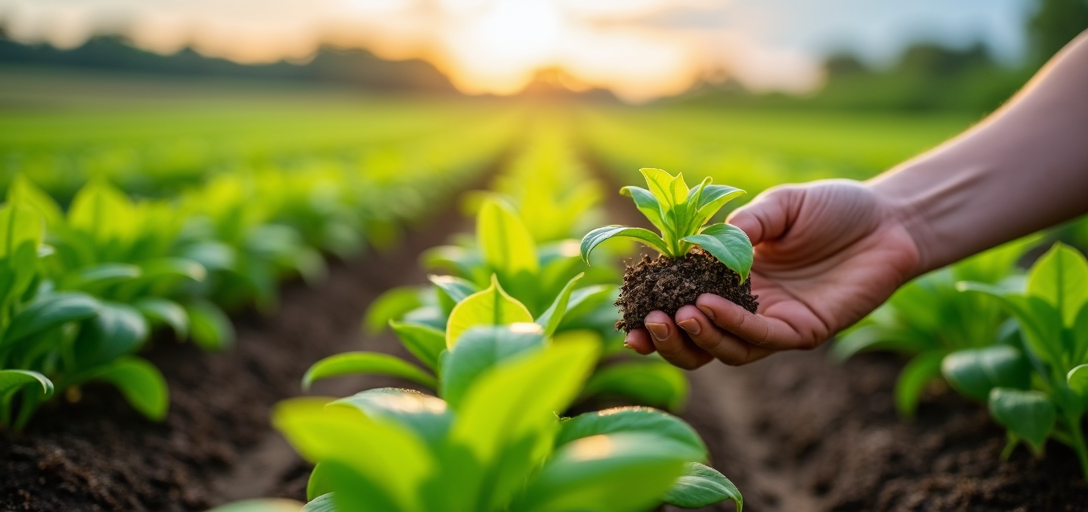
The Revolutionizing Technologies of Future Farming
The landscape of agriculture is on the brink of a profound transformation, guided by technologies that are developing at an unprecedented pace. By 2035, these innovations are set to reshape how food is produced, distributed, and consumed in Australia and globally. The question on many minds is: What are these technologies, and how will they impact agriculture as we know it?
Precision Agriculture: Farming with Unprecedented Accuracy
Precision agriculture involves using technology to measure and respond to intra-field variations within agricultural fields. It enables farmers to utilize inputs like water, fertilizers, and pesticides more efficiently. In Australia, a country characterized by diverse climates and ecosystems, precision agriculture is especially pertinent.
- GPS and GIS Mapping: These technologies allow farmers to map fields with high precision, helping them monitor crop growth and soil conditions in real-time.
- Remote Sensing: Using drones and satellites, farmers can track the health of crops across large areas, saving time and resources.
By 2026, Australia has seen a 25% adoption increase in precision agriculture tools, significantly boosting crop yields and reducing environmental impact. Source.
Robotics and Automation: The New Farmhand
Robots are becoming an integral part of farming operations, handling repetitive and labor-intensive tasks with precision. The integration of robotics into agriculture addresses labor shortages and enhances productivity.
- Automated Harvesters: These machines can work around the clock, harvesting crops with high efficiency.
- Weed and Pest Control Robots: Robotics technology is used for targeted weed and pest control, reducing the need for chemical pesticides.
In Australia, farms using robotic systems report a significant decrease in operational costs and chemical usage, thereby supporting sustainable farming practices. Source.
Genetically Modified Crops: Enhancing Resilience and Yield
Genetic engineering continues to be a cornerstone of agricultural advancement. By 2035, genetically modified (GM) crops are expected to play a critical role in addressing food security and climatic challenges.
Australia has seen significant progress in developing GM crops that are drought-resistant and require fewer resources to grow. The emphasis is on creating crops that offer higher nutritional value and better resistance to pests, naturally reducing dependence on chemicals.
While debates continue regarding ethics and environmental impact, scientific consensus and regulatory bodies worldwide, including Australia, recognize GM crops as safe and beneficial for modern agriculture. Source.
IoT and Smart Farms: Connectivity in Agriculture
The Internet of Things (IoT) is a transformative force in agriculture, where interconnected devices provide real-time data and automation capabilities. Smart farms utilize IoT to make operations efficient and responsive.
- Smart Sensors: Used to monitor soil moisture, livestock health, and even predict weather patterns, allowing for proactive farming practices.
- Data Analytics: Big data from IoT systems helps optimize planting schedules, fertilizer application, and irrigation methods.
With Australia's unique farming challenges, including vast distances and climate variability, IoT enables precision and informed decision-making across agricultural sectors. Reports from 2026 show over 40% of Australian farms incorporating IoT technologies. Source.
Vertical and Urban Farming: The Future of Food Production
As urban populations grow, the demand for sustainable and locally sourced food increases. Vertical and urban farming present innovative solutions by maximizing space and reducing the ecological footprint of agriculture.
Vertical farms grow crops in stacked layers using controlled-environment agriculture (CEA) technology, significantly reducing land usage and water consumption. Urban farms in cities like Sydney and Melbourne provide fresh produce with lower transportation emissions.
These farms utilize LED lighting and climate control technologies to simulate ideal growing conditions, regardless of external weather. As of 2026, the implementation of vertical farming has increased by 30% in urban Australian areas, addressing food deserts and providing employment opportunities. Source.
Conclusion
The future of farming, as envisioned for 2035, holds immense promise with the advent of these advanced technologies. For Australian agriculture, this evolution is not just about enhancing efficiency and productivity; it’s about achieving sustainability, mitigating climate impacts, and ensuring food security. As these technologies continue to mature and integrate into farming practices, they will play a pivotal role in shaping a resilient and prosperous agricultural sector that can meet the challenges of tomorrow.