Exploring Car Donation Programs in the U.S.: Understanding the Process, Eligibility, and Benefits
Learn about car donation programs in the United States and understand how they work. These programs offer a way to donate your vehicle to a charitable organization, potentially benefiting both you and those in need.
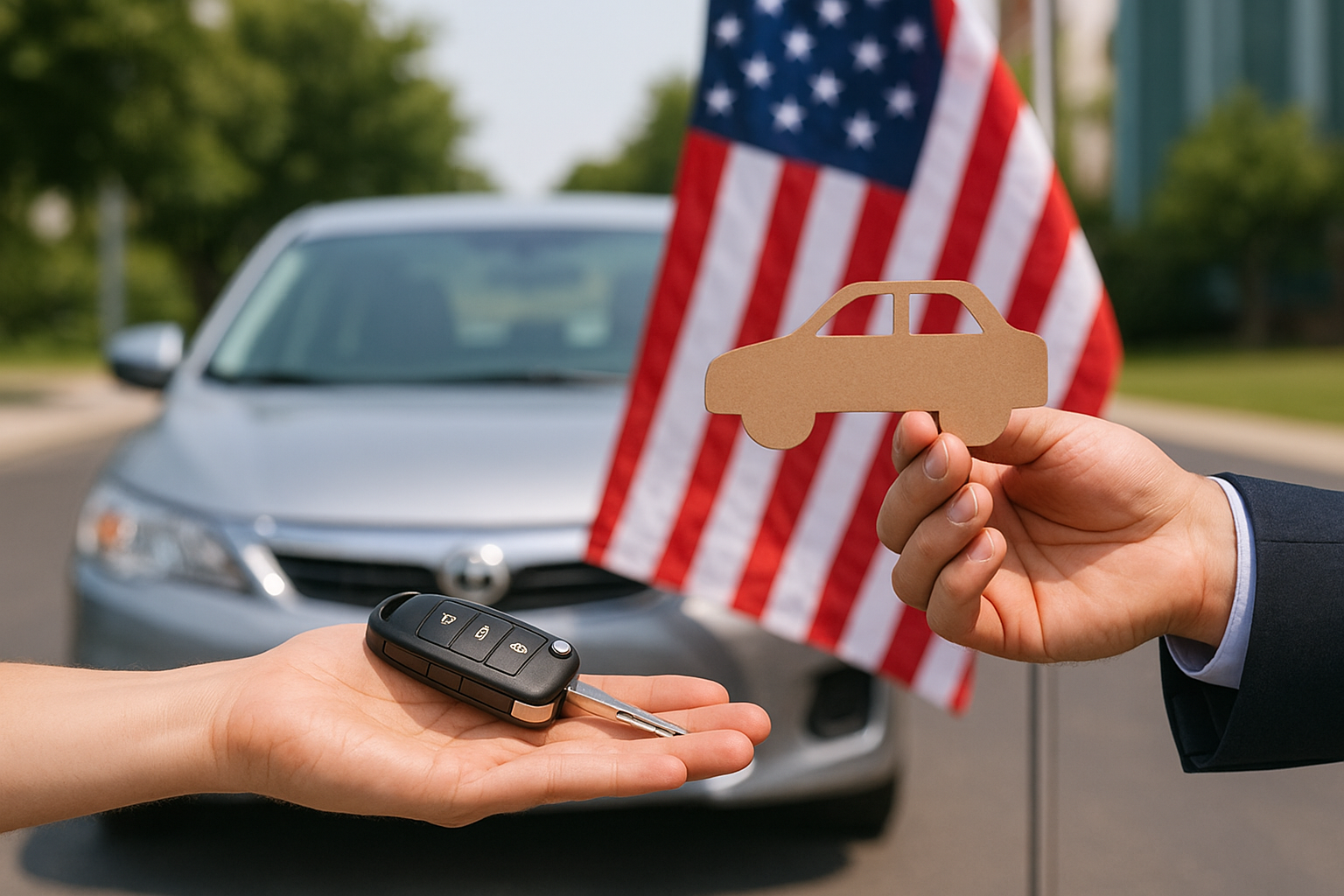
Understanding Car Donation Programs
Car donation programs are initiatives that allow car owners to donate their vehicles to charitable organizations. These programs not only provide a second life for your car but also offer benefits to the donor and various receiving parties. This article delves into how these programs operate, the requirements for donating, and who stands to gain from vehicle donations.
How Car Donation Programs Work
When you decide to donate a car, the process generally involves selecting a charity, transferring ownership, and potentially receiving a tax deduction. Most organizations strive to make this process as straightforward as possible. Here’s a step-by-step breakdown of how it typically works:
- Choose a Reputable Charity: Research and select a charity that accepts car donations. Ensure that the charity is recognized by the IRS as a 501(c)(3) organization, which qualifies your donation for a tax deduction.
- Contact the Charity: Reach out to the charity to initiate the donation process. They will often walk you through their specific procedures.
- Car Pick-Up or Drop-Off: Arrange for the car to be picked up or deliver it to a designated location. Many charities offer free towing.
- Transfer Ownership: Complete any required paperwork, such as transferring the title of the vehicle to the charity.
- Receive a Tax Receipt: Obtain a receipt or acknowledgment letter from the charity detailing your donation, which is necessary for claiming a tax deduction.
Requirements for Donating a Car
While the specifics can vary, there are general requirements to be aware of before donating your car:
- Vehicle Condition: Most charities accept vehicles in any condition, but some have minimum standards or only take vehicles that can be repaired and sold.
- Title Requirements: The car's title must be clear, meaning it is free of liens. If your title is lost, a replacement is usually required.
- Location: The vehicle should be within the charity's service area for pick-up.
Who Can Benefit from Car Donation Programs
Car donation programs offer multiple benefits to different parties:
- Charities: Receiving cars can significantly support a charity’s mission, either by using the car or selling it for funds.
- Donors: Beyond the altruistic reward, donors may receive a tax deduction based on the car’s sale price or fair market value.
- Community Members: The funds from the sale of donated cars are often invested back into the community, helping fund programs and services.
Real-World Examples and Impact
To illustrate, organizations such as Habitat for Humanity and Wheels For Wishes have successfully utilized car donation programs to advance their causes, from building affordable homes to granting wishes for children with critical illnesses. According to data reported by Nonprofit Quarterly in 2025, over 500,000 vehicles were donated across various programs, generating millions to support charitable missions (source: Nonprofit Quarterly).
Tax Considerations and Benefits
One of the primary incentives for car donors is the potential tax deduction. Here’s what you need to know about tax considerations:
- IRS Requirements: To claim a deduction, you must itemize your deductions on your tax return, and the charity must be a qualifying organization.
- Valuation: The allowed deduction is usually the vehicle’s sale price. If the vehicle is worth less than $500, you can deduct its fair market value.
- Documentation: Keep detailed records of the donation process, including the acknowledgment letter from the charity.
Conclusion
Car donation programs offer an excellent way for vehicle owners to contribute to charitable causes while potentially benefiting from tax incentives. As more individuals learn about and participate in these programs, the positive impact on communities across the United States continues to grow. Whether you're motivated by decluttering, helping those in need, or both, donating your car could be a rewarding choice.
Further Reading
For more detailed insights, consider exploring resources such as the IRS website on charitable organizations or publications on consumer reports discussing the nuances of car donation.