Exploring Comprehensive Treatment Options for Advanced Gastric Cancer
Discover the latest advances in advanced gastric cancer treatment options and therapies. Explore innovative approaches that offer new hope and possibilities for managing this challenging condition.
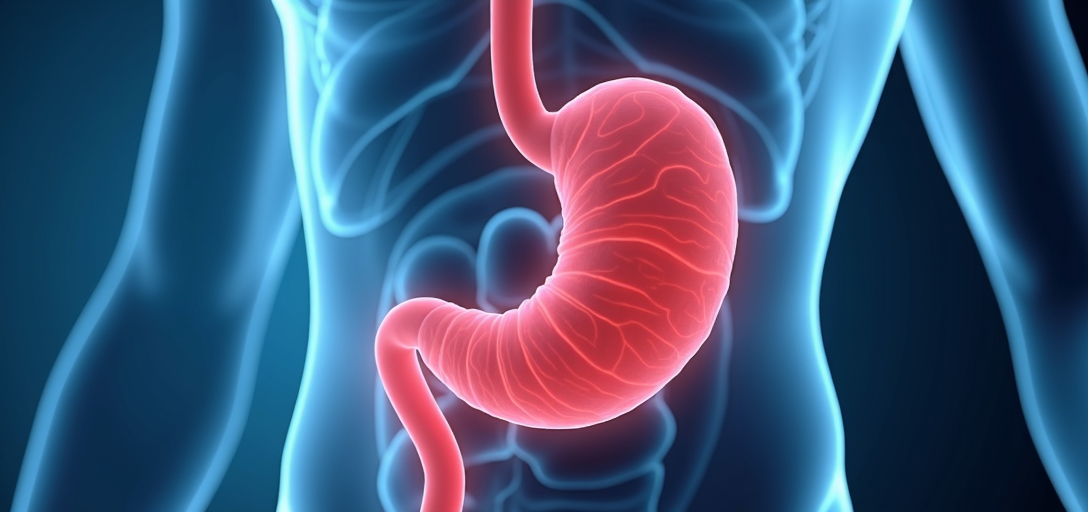
Understanding Advanced Gastric Cancer
Gastric cancer, or stomach cancer, is a formidable diagnosis that becomes even more complex when classified as advanced. This stage indicates that the cancer has spread beyond the stomach to other parts of the body, making treatment more challenging. In the U.S., according to the American Cancer Society, approximately 27,510 cases of stomach cancer are expected to be diagnosed in 2026 alone. As research progresses, so do the options and therapies available for handling this advanced stage.
Types of Advanced Gastric Cancer Treatment Options
For those confronting advanced gastric cancer, a robust range of treatment options is available, each contributing uniquely to managing the disease. Understanding these treatments empowers patients and families to make informed decisions alongside their healthcare providers.
Chemotherapy
Chemotherapy remains one of the frontline treatments for advanced gastric cancer. This systemic approach involves using drugs to target and kill rapidly dividing cancer cells. Over the past few years, chemotherapy regimens have evolved, focusing on minimizing side effects while maximizing efficacy. A 2026 study published in the Journal of Clinical Oncology showed that combination therapies using drugs like fluorouracil and oxaliplatin have improved survival rates significantly.
Targeted Therapy
Targeted therapy represents a more personalized approach, aiming at specific genetic markers of cancer cells. For example, HER2-positive gastric cancers can be treated with monoclonal antibodies such as trastuzumab, providing a customized method that interferes with cancer growth on a molecular level.
- Trastuzumab: Specifically effective for tumors expressing the HER2 protein, increasing survival rates by months when combined with chemotherapy.
- Ramucirumab: This drug targets VEGF receptors and is especially useful for patients whose cancer has progressed beyond initial treatments.
Immunotherapy
Immunotherapy harnesses the body’s immune system to fight cancer, a strategy that has seen rapid advancements. Checkpoint inhibitors such as pembrolizumab and nivolumab have been approved for treating advanced gastric cancer, especially in cases with high levels of PD-L1 expression. Recent trials, like those documented in the 2026 edition of The New England Journal of Medicine, demonstrate that immunotherapy can extend survival times substantially.
Radiation Therapy
While less commonly used as a standalone treatment for advanced gastric cancer, radiation therapy can be effective for palliation and managing symptoms such as pain or bleeding. Innovations in radiation delivery, including intensity-modulated radiation therapy (IMRT), are enhancing precision and reducing collateral damage to surrounding healthy tissues.
Emerging Therapies and Research
As research continues, several new treatment strategies are being developed and tested in clinical trials, offering hope for the future of gastric cancer management.
Precision Medicine and Genetic Testing
Precision medicine involves tailoring treatment based on genetic testing of the cancer. In 2026, the integration of techniques like next-generation sequencing (NGS) has allowed doctors to identify specific mutations within gastric tumors, leading to more personalized and effective treatment plans.
CAR T-Cell Therapy
Chimeric Antigen Receptor (CAR) T-cell therapy is making waves, initially successful in certain blood cancers and now being trialed for solid tumors like gastric cancer. This approach involves modifying a patient’s T-cells to better recognize and attack cancer cells, with ongoing studies showing promising early results.
Lifestyle and Supportive Care
A comprehensive approach to managing advanced gastric cancer includes attention to lifestyle changes and supportive care, improving quality of life and symptom management.
Nutritional Support
Maintaining nutrition is a critical component of care. Consulting with a dietitian specialized in cancer care can help address dietary challenges and ensure patient strength and vitality during treatment.
Palliative Care
Palliative care plays an essential role in supporting patients and families, focusing on relief from symptoms, pain, and stress. Integrating these services early can improve not just life quality but also treatment outcomes.
Psychosocial Support
Advanced cancer affects more than just physical health. Comprehensive care involves psychological and emotional support, providing counseling and support groups to address the mental and emotional strains on patients and their families.
Conclusion
In 2026, the landscape of advanced gastric cancer treatments is more hopeful than ever, with ongoing research paving the way for future innovations. By staying informed and working closely with healthcare teams, patients can navigate this challenging diagnosis with more confidence and have access to the most effective therapies available. As treatment options continue to evolve, the emphasis remains on personalized care that aligns closely with each patient’s unique needs and circumstances.
https://www.cancer.gov/types/stomach/hp/stomach-treatment-pdq?utm_source=chatgpt.com