Exploring Contract-Free Home Security Systems: Your Options for Flexible Protection
Discover the top home security systems available without contracts in today's market. While many options typically require longterm commitments, some companies now offer flexible plans. Learn about alternatives that provide the same peace of mind with no strings attached.
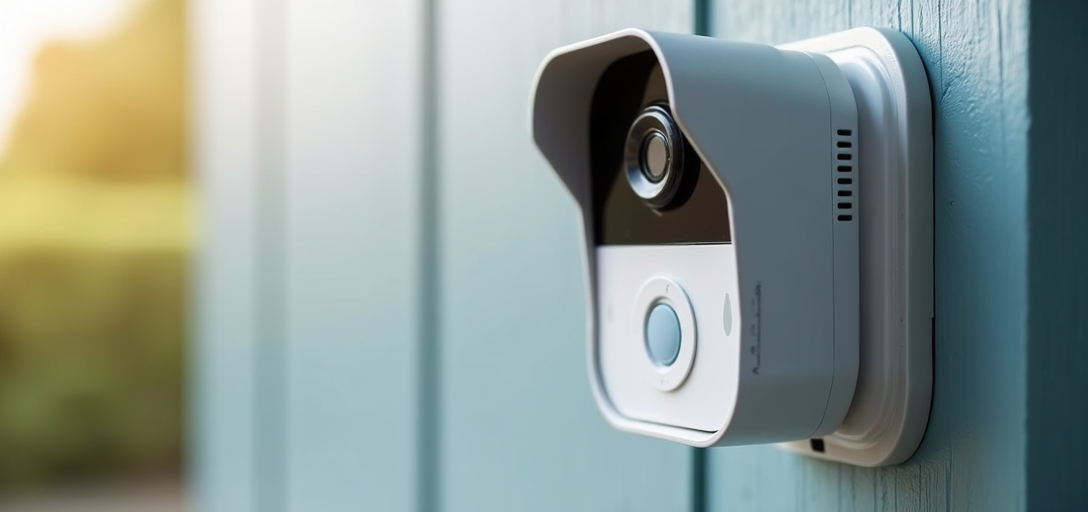
The Growing Demand for No-Contract Home Security Systems
In recent years, the demand for home security systems that do not require long-term contracts has significantly increased in the United States. Homeowners and renters alike are seeking flexible solutions that offer peace of mind without the commitment of traditional systems. This shift has led to a surge in options for consumers, providing greater accessibility and convenience.
Why Opt for No-Contract Home Security Systems?
There are several reasons why individuals prefer security systems without contracts:
- Flexibility: With no-contract systems, users can change or upgrade their systems as needed without penalties.
- Cost-Effective: Avoiding binding contracts often allows users to save money by not being tied to monthly fees over extended periods.
- Customizable: Many no-contract systems offer modular components, letting users tailor their security setup to their specific needs.
Popular No-Contract Security Systems in the US
Several well-known companies provide high-quality security solutions without the requirement of a contract. Below are some of the top-rated no-contract home security systems available in 2026:
SimpliSafe
SimpliSafe continues to be a leader in the no-contract home security market. It offers easily installable equipment with options for professional monitoring if desired. Users particularly appreciate its user-friendly mobile app and the ability to expand their security system as needed.
Ring Alarm
Owned by Amazon, Ring offers versatile security solutions that integrate well with its video doorbells and security cameras. Customers can choose to self-monitor their system through the Ring app or opt for optional professional monitoring. The lack of contracts and robust technology make it a popular choice among consumers.
Abode
Abode stands out for its focus on integration with smart home devices, which appeals to tech-savvy users. The system supports various smart home protocols and offers DIY installation, along with optional professional monitoring. Rated highly for its flexibility and range of features, Abode is a strong contender in the no-contract segment.
Key Features to Look for in No-Contract Systems
When evaluating no-contract home security systems, there are several critical features to consider ensuring the safety and functionality meet your needs:
- Scalability: The ability to add more devices and sensors over time as your security needs change.
- Integration: Compatibility with other smart home devices for a streamlined, automated experience.
- Remote Access: The provision of a mobile app for remote monitoring and control of the security system.
- Customer Support: Access to reliable support channels for troubleshooting and assistance.
The Economics of No-Contract Systems
Choosing a no-contract home security system can be financially advantageous for many homeowners. A study conducted in 2026 indicated that average costs of home security could be reduced by up to 30% with no-contract solutions compared to traditional long-term contracts. [Source: Consumer Reports, 2026]
The elimination of mandatory monthly fees allows customers to allocate their home security budget towards additional hardware or enhanced monitoring services. Furthermore, the competitive market for no-contract systems encourages providers to offer cost-effective solutions to attract consumers.
Are There Any Drawbacks to No-Contract Security Systems?
While the flexibility and cost advantages are appealing, there are some potential drawbacks to consider:
- Limited Professional Monitoring Options: While some providers offer these services, they may not be as comprehensive as those included in contract-based systems.
- Initial Equipment Costs: Upfront purchases of security equipment may be higher since they aren't subsidized by a binding contract.
- Variable Quality: Some cheaper options may not offer the same reliability or feature set as more established brands.
Conclusion
No-contract home security systems offer a viable alternative to traditional, binding contracts, particularly for those seeking affordability and flexibility. By carefully evaluating options and features, homeowners can find a solution that meets their security needs while remaining adaptable to changes in lifestyle or residence. With advancements in technology and heightened consumer demand, the future looks promising for no-contract home security solutions in the US.