Exploring Credit Card Options for Those with a 500–580 Credit Score: What You Need to Know
Discover credit cards that approve you with a 500580 credit score while learning the strategies to improve your financial health.
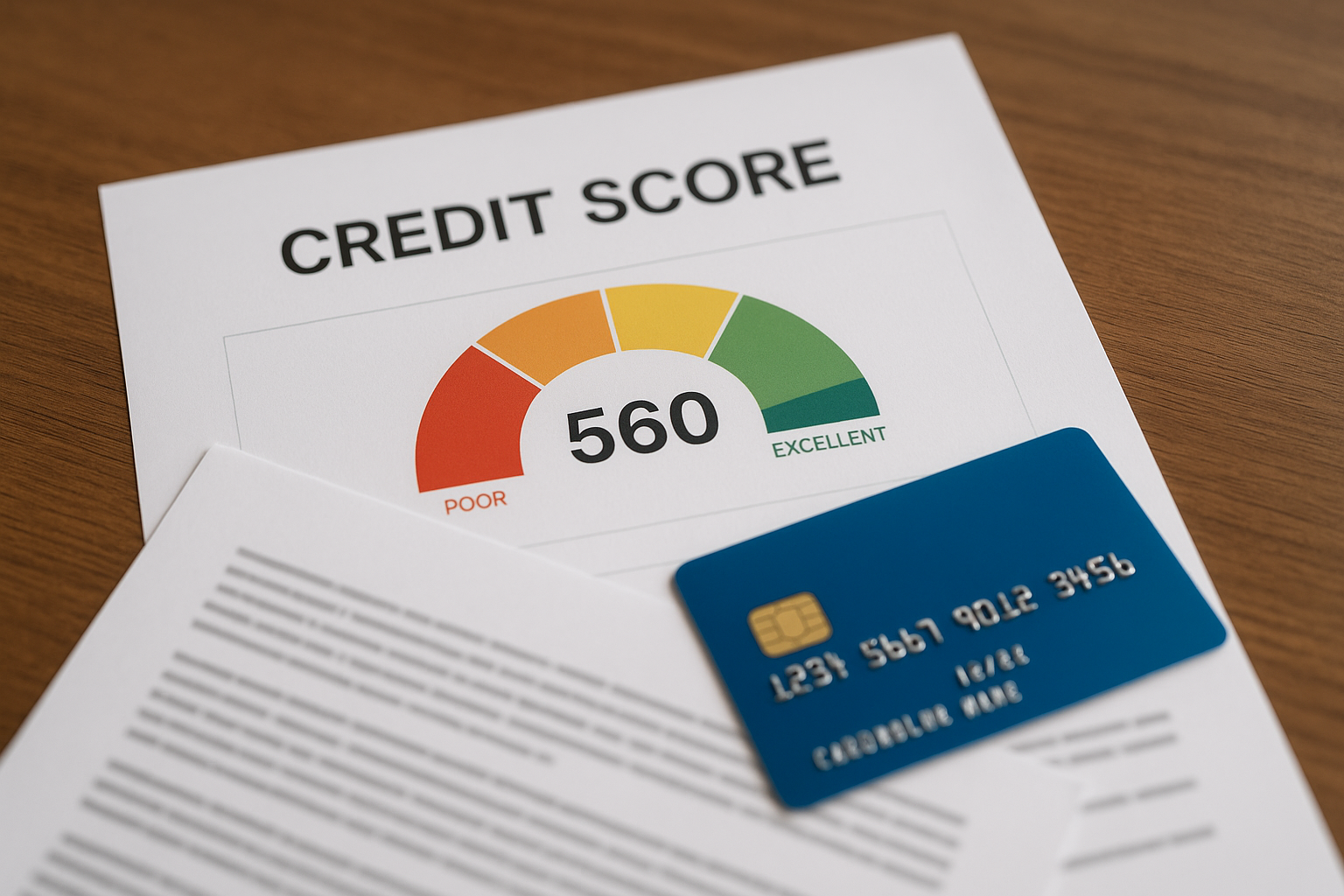
Understanding Credit Scores: The Basics
A credit score is a numerical representation of your creditworthiness, typically ranging from 300 to 850. The scores are calculated based on various factors, including your payment history, credit utilization, length of credit history, types of credit accounts, and recent credit inquiries. A score between 500 and 580 is considered "poor" according to many credit rating agencies.
Why a Good Credit Score Matters
Your credit score can significantly impact various aspects of your financial life. Here are a few reasons why maintaining a good credit score is crucial:
- Loan Approval: A higher score improves your chances of being approved for loans and might help you secure better interest rates.
- Better Interest Rates: A higher credit score generally qualifies you for lower interest rates on loans and credit cards, which can save you money over time.
- Rental Applications: Many landlords check credit scores as part of their background processes.
- Employment Opportunities: Some employers perform credit checks as part of their hiring process, especially for positions involving financial responsibilities.
Credit Cards for a 500–580 Credit Score
Having a lower credit score doesn't mean you're excluded from the credit card world. Several credit card issuers offer products specifically designed for individuals with poor credit scores. These cards can provide an opportunity to rebuild credit when used responsibly.
Secured Credit Cards
Secured credit cards are a popular option for those with lower credit scores. They require a security deposit, which typically becomes your credit limit. Here’s how they work:
- Security Deposit: Usually ranges from $200 to $2,000. This deposit serves as collateral, minimizing risk for the issuer.
- Credit Building: Regular, on-time payments are reported to the credit bureaus, helping you build a positive credit history.
Examples include the OpenSky® Secured Visa® Credit Card and the Capital One Secured Mastercard®.
Unsecured Credit Cards
While more challenging to obtain, some unsecured credit cards cater to those with poor credit scores:
- Higher Fees: These cards may come with higher interest rates and fees to offset the risk taken by issuers.
- Lower Credit Limits: Credit limits may start low, but responsible use can lead to increases.
For instance, the Credit One Bank® Platinum Visa® for Rebuilding Credit offers opportunities to improve your credit over time.
Steps to Improve Your Credit Score
If you’re working with a credit score between 500 and 580, it’s important to take actionable steps to improve it. Here’s how you can make a positive change:
Create a Budget
Understanding your financial situation and adhering to a budget can control spending and ensure timely payments, which are crucial for improving your credit score.
Pay Bills on Time
Your payment history heavily influences your credit score. Setting up reminders or automatic payments can help ensure on-time payments, thus improving your score over time.
Reduce Credit Card Balances
Try to pay down existing credit card balances. A lower credit utilization ratio (the amount of credit used relative to the total available credit) positively impacts your credit score.
Monitor Your Credit Report
Regularly reviewing your credit report can help you identify any errors or instances of fraud. You’re entitled to a free report every year from each of the major credit bureaus (Experian, TransUnion, and Equifax) through AnnualCreditReport.com.
Conclusion
While a credit score of 500–580 might limit your options, it's crucial to remember that it’s not permanent. By understanding more about your credit and taking diligent steps to manage your finances, you can improve your score over time. Starting with the right credit card that aligns with your current score can serve as a stepping stone toward rebuilding your credit profile, unlocking better financial opportunities in the future.
Sources: