Exploring Cutting-Edge Stomach Cancer Treatments in 2026
Discover the latest advanced stomach cancer treatment options in 2026. From innovative surgical techniques to groundbreaking therapies, find out how medical advancements are providing new hope for stomach cancer patients.
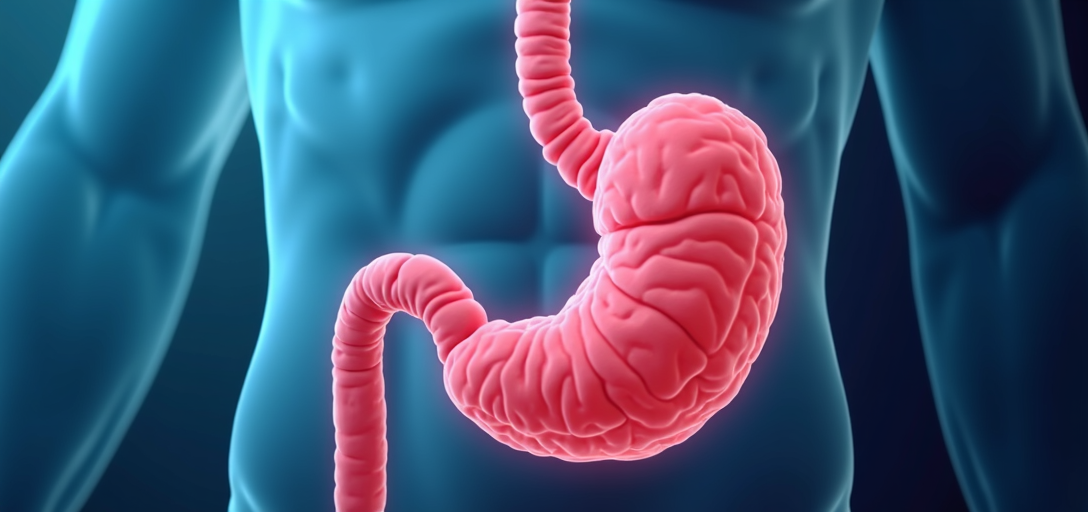
Understanding Advanced Stomach Cancer
Stomach cancer, also known as gastric cancer, is a disease in which malignant cells form in the lining of the stomach. In 2026, significant advancements have been made in the diagnosis and treatment of this condition. However, understanding these options requires a grasp of the stages and symptoms associated with stomach cancer. Advanced stomach cancer often refers to stages III and IV, where cancer has metastasized beyond the stomach.
Symptoms and Diagnosis
The symptoms of advanced stomach cancer might include chronic stomach pain, nausea, vomiting, difficulty swallowing, weight loss, and feeling full after eating small amounts of food. Early detection is challenging due to vague symptoms, making regular screenings important, especially for high-risk individuals.
Diagnostic techniques have evolved, with improved imaging technologies in 2026 enhancing the accuracy of endoscopies, biopsies, and CT scans. Advanced stages are often diagnosed using PET scans which precisely determine cancer spread, guiding effective treatment planning.
Current Treatment Options
Immunotherapy
One of the pivotal advances in treating advanced stomach cancer is immunotherapy. This treatment option harnesses the body’s immune system to combat cancer cells. In 2026, drugs such as pembrolizumab and nivolumab have shown promising results, particularly for patients with PD-L1 positive tumors. Immunotherapy can be administered as monotherapy or in combination with other treatments, depending on the patient’s condition.
Success stories from patients who have undergone immunotherapy show significant improvements in survival rates and quality of life. It's a personalized treatment, adapting to the genetic makeup of the tumor, thus reducing side effects compared to traditional chemotherapy.
Targeted Therapy
Targeted therapy involves drugs that specifically attack cancer cell mechanisms without harming normal cells. HER2-positive stomach cancer is treated with targeted drugs such as trastuzumab, which has been instrumental in 2026, offering improved responses in patients over traditional chemotherapy.
According to recent studies, combination therapies involving trastuzumab and chemotherapy prolong survival and reduce recurrence in patients. The development of newer targeted drugs continues to enhance treatment efficacy while minimizing adverse effects.
- HER2 Inhibitors (Trastuzumab)
- VEGF Inhibitors (Ramucirumab)
- c-Met Inhibitors (Capmatinib)
Advancements in Chemotherapy
While chemotherapy remains a cornerstone in the treatment of advanced stomach cancer, the therapeutic regimens have witnessed improvements in 2026. New formulations deliver more potent effects with reduced toxicity and better tolerance levels.
The standard chemotherapy regimens now include combinations that optimize drug administration based on genetic profiling, enhancing patient outcomes. These chemotherapeutic advancements are often integrated with other therapies, providing a multi-modal treatment approach.
Innovative Surgical Options
Surgery is often not a feasible option for advanced stomach cancer; however, for some patients, it remains a vital intervention. The utilization of minimally invasive techniques and robotic surgeries in 2026 has significantly reduced recovery times and improved precision in tumor removal.
Tumor Resection and Palliative Surgery
Advanced surgical techniques help in the resection of tumors when feasible. For terminal cases, palliative surgeries help alleviate symptoms rather than cure, enhancing the quality of life and symptom management.
Personalized Medicine and Genetic Testing
With advancements in genetic testing, personalized medicine has tailored stomach cancer treatments to a patient's specific genetic profile. In 2026, precision medicine ensures that therapies target the unique molecular fingerprint of the cancer. This personalized approach often leads to better-targeted and more effective treatment strategies.
Genomic profiling helps identify actionable mutations, guiding the selection of targeted therapies and immunotherapies, increasing their efficacy. This method provides hope for many patients by offering treatments specific to their cancer’s genetic makeup.
Quality of Life and Supportive Care
Treating advanced stomach cancer goes beyond medical interventions. Supportive care in 2026 focuses on maintaining quality of life through nutritional support, pain management, and psychological counseling. Palliative care options are crucial to manage symptoms and ensure comfort.
Peer-support groups and mental health services are more accessible, recognizing the importance of mental well-being in comprehensive cancer care. Personalized care plans that encompass both medical treatments and supportive approaches are the current standard.
Conclusion
In 2026, advanced stomach cancer treatments have significantly evolved, offering patients a variety of options tailored to individual needs. Immunotherapy, targeted therapy, chemotherapy, innovative surgical options, and personalized medicine represent the forefront of scientific advancements. With a focus on improving outcomes and enhancing quality of life, a multidisciplinary approach ensures comprehensive patient care.
Staying informed and consulting with oncologists about the latest treatments are critical steps for anyone affected by stomach cancer. For more information on these treatments, consult resources like the National Cancer Institute and the American Cancer Society.
https://www.cancer.gov/types/stomach/treatment/by-stage?utm_source=chatgpt.com