Exploring Effective Psoriasis Treatments Available in the USA
Discover a diverse range of psoriasis treatment options available in the USA that may help manage symptoms and improve comfort. From topical treatments to advanced biologics, learn about the possibilities and consult with your healthcare provider to find the best approach for your condition.
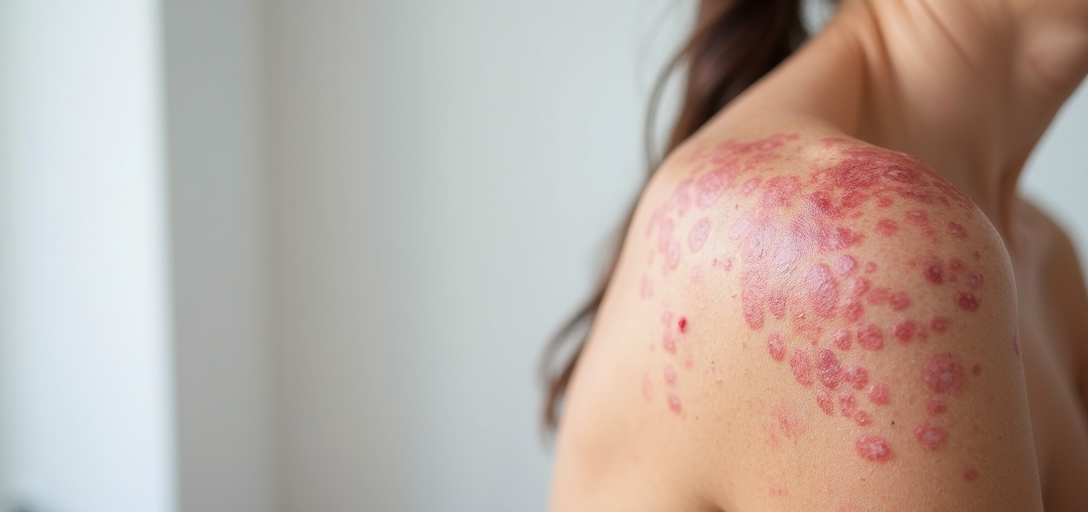
Understanding Psoriasis
Psoriasis is a chronic, autoimmune skin disease characterized by the rapid growth of skin cells that leads to the formation of scales and red patches. It is a condition that not only affects the skin but can also impact one's quality of life. In the United States, it is estimated that more than 8 million people experience psoriasis, and understanding the condition can help in seeking appropriate treatment options.
What Causes Psoriasis?
The exact cause of psoriasis isn't fully understood, but it has been linked to an immune system problem with T cells and other white blood cells, called neutrophils, in your body. In a typical immune response, these cells travel throughout the body to defend against infections. However, if you have psoriasis, these cells mistakenly attack healthy skin cells. This process becomes a cycle of rapidly growing skin cells that pile up on the surface of the skin, forming the characteristic psoriasis patches.
Types of Psoriasis
There are several types of psoriasis, each with its own set of symptoms. Understanding the different types can help in identifying specific treatment pathways:
- Plaque Psoriasis: The most common type, appearing as red patches with a silvery scale.
- Guttate Psoriasis: Often starts in childhood or young adulthood and appears as small, dot-like lesions.
- Inverse Psoriasis: Shows up as bright red lesions that are shiny and smooth.
- Pustular Psoriasis: Characterized by white pustules (blisters of noninfectious pus).
- Erythrodermic Psoriasis: A severe form that leads to widespread, fiery redness over most of the body.
Best Psoriasis Treatment Options in the USA
Treatment for psoriasis is aimed at stopping skin cells from growing so quickly and reducing inflammation and scales. While there is no cure for psoriasis, a range of treatments can effectively manage symptoms.
Topical Treatments
Topical treatments are usually the first line of treatment for mild to moderate psoriasis. These are applied directly to the skin and include:
- Corticosteroids: These anti-inflammatory drugs are the most frequently prescribed. They help to reduce inflammation and relieve itching.
- Vitamin D Analogues: Such as calcipotriene (Dovonex), slow skin cell growth.
- Coal Tar: A traditional treatment that can reduce scaling, itching, and inflammation.
- Salicylic Acid: Promotes sloughing of dead skin cells to reduce scaling.
Phototherapy
Phototherapy, or light therapy, is another common treatment option that involves exposing the skin to controlled amounts of natural or artificial light. UVB phototherapy, in particular, can be effective for widespread psoriasis.
Systemic Treatments
For severe psoriasis or psoriatic arthritis, systemic treatments may be necessary. These treatments work throughout the body and include:
- Oral Medications: Methotrexate and cyclosporine suppress the immune system's reaction that causes psoriasis.
- Biologics: These medications target specific parts of the immune system. Some common biologics include adalimumab (Humira) and etanercept (Enbrel).
Lifestyle and Home Remedies
In addition to medical treatments, lifestyle changes and home remedies can also help manage psoriasis symptoms:
- Utilizing moisturizers to reduce dryness.
- Engaging in a healthy diet rich in anti-inflammatory foods.
- Reducing stress through mindfulness and relaxation techniques.
- Avoiding triggers such as smoking and excessive alcohol consumption.
Emerging Treatments and Research
Exciting advancements in medical research continue to provide hope for improved psoriasis treatments. New biologic drugs and targeted small molecules have shown potential in effectively managing psoriasis symptoms with fewer side effects.
Current Research and Clinical Trials
Recent studies are exploring the use of JAK inhibitors which block pathways involved in triggering inflammation. Ongoing clinical trials are also investigating the efficacy of emerging biologics with promising results in individuals with resistant psoriasis.
For credible and updated information on psoriasis treatments, entities such as the National Psoriasis Foundation and the CDC provide valuable insights and resources.