Exploring Effective Treatments for Plantar Fasciitis Relief
Searching for the best treatment for plantar fasciitis? Explore various methods and remedies that may alleviate your discomfort, from stretching exercises to supportive footwear. While there isn't a onesizefitsall cure, learning about tailored options can guide you towards relief.
Understanding Plantar Fasciitis
Plantar fasciitis is a common condition characterized by pain in the heel and bottom of the foot. It often affects runners and individuals who stand for long periods, causing discomfort in the plantar fascia, the thick band of tissue connecting your heel to your toes. Understanding the nature and causes of plantar fasciitis is crucial for finding the right treatment options.
Recent studies estimate that plantar fasciitis affects approximately 10% of the population at some point in their lives, making it a significant concern for many individuals seeking relief from foot pain.
Causes and Risk Factors
Several factors contribute to the development of plantar fasciitis, including:
- High-impact activities: Running, dancing, or other high-impact sports can put strain on the plantar fascia.
- Foot structure: Individuals with flat feet or high arches are more prone to this condition due to uneven weight distribution.
- Age: As people age, their plantar fascia loses elasticity, increasing the risk of tearing.
- Occupation: Jobs requiring long periods of standing or walking on hard surfaces can also lead to plantar fasciitis.
- Obesity: Extra body weight can increase pressure on the feet, contributing to inflammation of the plantar fascia.
Treatment Options for Plantar Fasciitis
While plantar fasciitis can be persistent, various treatment options have proven effective. These treatments range from home remedies to surgical interventions, depending on the severity of the condition.
Home Remedies and Lifestyle Modifications
For many individuals, simple home remedies can provide significant relief from plantar fasciitis. Some effective options include:
- Rest and Ice Therapy: Reducing physical activities and applying ice packs to the affected area can decrease inflammation and alleviate pain.
- Stretching Exercises: Calf and plantar fascia stretches can increase flexibility and strength of the foot, reducing strain.
- Footwear Modifications: Wearing shoes with proper arch support and cushioning can significantly reduce symptoms. Consider using orthotic inserts for additional support.
Medical Treatments
If home remedies are not sufficient, several medical treatments are available that can help alleviate plantar fasciitis pain:
- Physical Therapy: A physical therapist can design a personalized exercise program to strengthen and stretch the plantar fascia and associated muscles.
- Non-steroidal Anti-inflammatory Drugs (NSAIDs): Over-the-counter medications such as ibuprofen can help reduce inflammation and pain.
- Night Splints: Wearing a splint overnight can stretch the plantar fascia and Achilles tendon during sleep, promoting healing.
Advanced Treatments
For chronic cases that do not respond to other treatments, more advanced options may be considered:
- Corticosteroid Injections: These injections can provide temporary relief by reducing inflammation in the affected area.
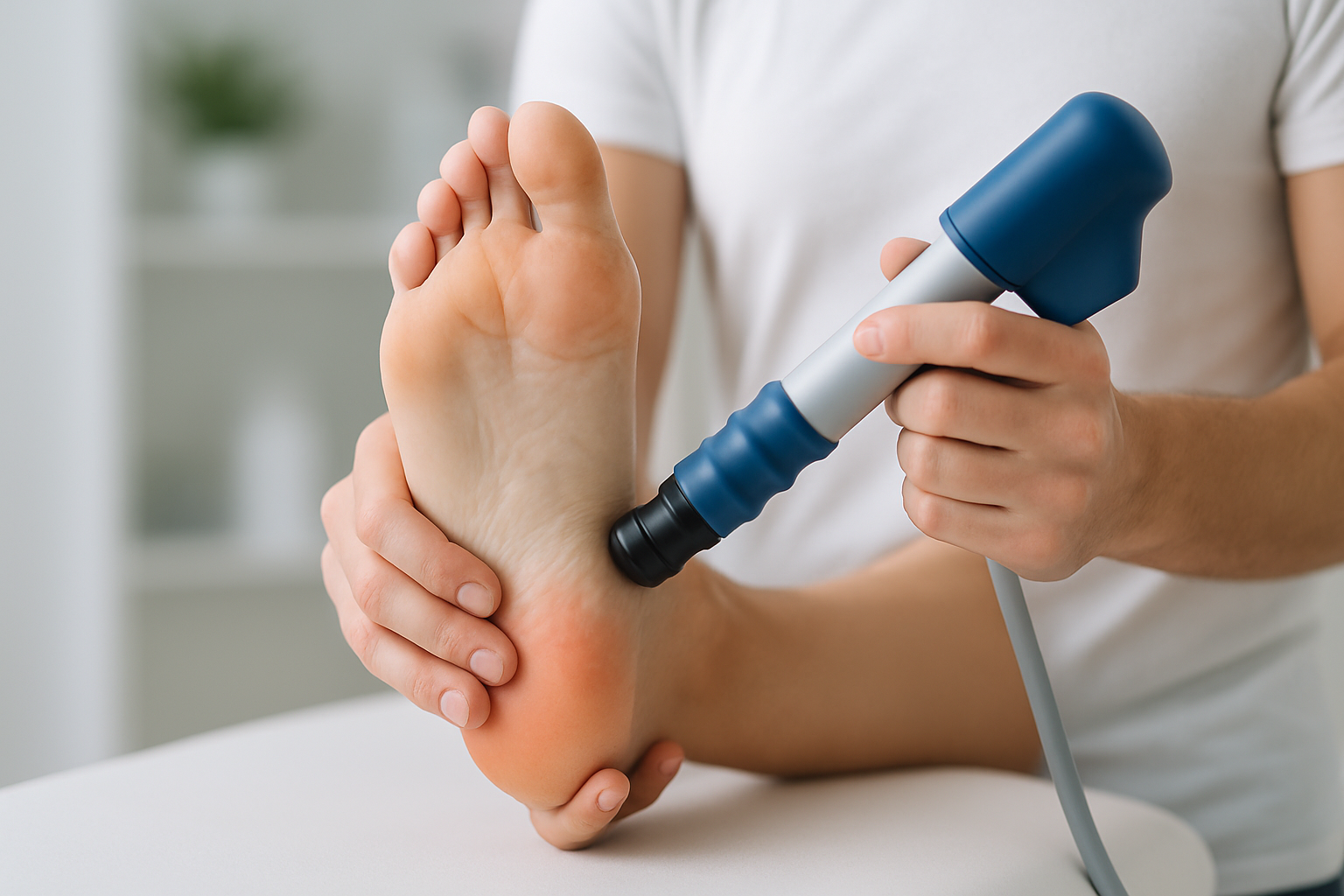
- Extracorporeal Shock Wave Therapy (ESWT): This non-invasive procedure uses sound waves to stimulate healing in the damaged plantar tissue.
- Surgery: In rare and severe cases, surgical intervention may be necessary to release the tension on the plantar fascia.
Alternative Therapies
Some patients find relief from alternative therapies such as acupuncture, massage, and chiropractic treatments. Although these methods lack significant scientific validation, they can complement traditional treatments by relieving pain and improving mobility.
Recent Research and Innovations
As of 2026, ongoing research continues to explore new avenues for treating plantar fasciitis. A study published in the Journal of Foot & Ankle Research highlights the promising results of platelet-rich plasma (PRP) injections, showing improved outcomes in pain reduction and functional recovery compared to corticosteroids (Springer).
Another breakthrough involves the development of bioengineered scaffolds designed to support plantar fascia healing. These devices, still in experimental stages, aim to provide structural support and facilitate natural tissue regeneration (Foot & Ankle Research).
Prevention Tips
To prevent plantar fasciitis or reduce the likelihood of recurrence, consider incorporating these tips into your daily routine:
- Maintain a Healthy Weight: Keeping body weight in check reduces the stress on the feet.
- Choose Supportive Footwear: Invest in quality shoes that offer good arch support and cushioning.
- Incorporate Regular Stretching: Flexibility exercises for the calves and feet can help maintain plantar fascia health.
- Gradual Increase in Activity Levels: When starting new sports or exercise routines, increase intensity gradually to avoid overstraining the foot ligaments.
Conclusion
Plantar fasciitis, while painful and frustrating, is a manageable condition with various effective treatment options available. Whether through lifestyle modifications, medical interventions, or exploring new therapies, relief is possible. As research and medical science advance, individuals suffering from this condition can look forward to even more innovative solutions in the near future.