Exploring Eligibility for Boiler Replacement Grants in the UK: What to Know for 2026
Discover who might qualify for boiler replacement grants in the UK in 2026. With energy costs soaring, understanding eligibility for these grants is crucial. We'll examine potential criteria and what steps you might take to explore your options.
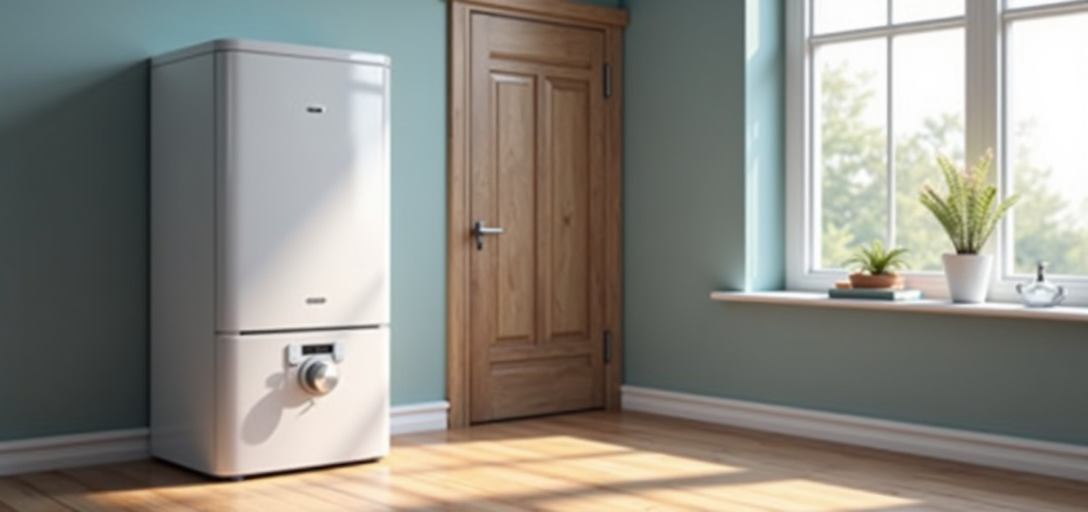
Understanding Boiler Replacement Grants in the UK
The UK government has introduced a range of boiler replacement grants to help residents upgrade their heating systems. The primary aim is to improve energy efficiency, reduce carbon emissions, and promote sustainable living. In 2026, several schemes are available for different groups of people, depending on various eligibility criteria.
Why Are Boiler Replacement Grants Important?
Boiler replacement grants are more than just financial aid. They are part of a broader initiative aimed at reducing the UK's carbon footprint and tackling climate change. Efficient boilers reduce energy consumption, leading to lower greenhouse gas emissions. These grants are crucial in assisting low-income households with the transition to more energy-efficient systems without the high upfront costs.
Who Is Eligible for Boiler Replacement Grants in 2026?
Eligibility for boiler replacement grants typically hinges on factors like income level, property type, and existing heating systems. Here’s a detailed breakdown of the eligibility criteria in 2026:
- Low-income households: Those below a specified income threshold may qualify for full or partial grants. This includes people receiving income-related benefits like Universal Credit or Pension Credit.
- Properties with inefficient boilers: Homes with boilers older than ten years are generally considered for replacement as newer models are more energy-efficient.
- Homeowners and private tenants: Both groups are eligible but require landlord permission for tenants.
- Recipients of disability benefits: Individuals on benefits such as Personal Independence Payment (PIP) or Attendance Allowance may also qualify.
Programs Offering Boiler Replacement Subsidies
Several schemes are active in 2026 aimed at assisting different demographics:
- Energy Company Obligation (ECO4): Large energy companies are obligated to help households install energy-efficient boilers. Priority is often given to low-income and vulnerable households.
- Boiler Upgrade Scheme (BUS): A newer scheme focusing on transitioning homes to air-source heat pumps or hydrogen boilers.
For detailed information and application guidance, visit the official UK government energy grants website. You can also check directly with your energy provider.
Steps to Apply for a Boiler Replacement Grant
Applying for a boiler replacement grant involves several steps to ensure eligibility and suitability:
- Check eligibility: Use online calculators like the one on the UK government's site to quickly determine eligibility.
- Gather necessary documentation: Ensure you have proof of income, property ownership or rental agreement, and current boiler details.
- Contact multiple energy providers: Different providers may have variations in their schemes. Gathering several assessments can offer clarity.
- Application submission: Fill out the application forms provided by your selected program or energy company.
- Await approval and installation: After approval, a certified installer will be assigned to complete the replacement.
Common Questions About Boiler Replacement Grants
Beyond eligibility, potential applicants may have several questions:
- Can I choose any boiler? Generally, approved schemes provide a list of compliant, environmentally friendly models.
- Will I have to pay anything? Depending on the program and your financial situation, you may cover part of the costs or enjoy full subsidies.
- How long does the process take? From application to installation, the process can take a few weeks to several months, depending on demand and installer availability.
Real-world Impact of the Boiler Replacement Schemes
Around 2 million households have taken advantage of these schemes since their inception. In 2026 alone, it is anticipated that over 200,000 boilers will be replaced under government grants, significantly reducing national carbon emissions. These benefits are essential steps toward the UK’s target of net-zero by 2050.
An example is the successful completion of a project in Manchester where over 5,000 boilers were replaced, resulting in an estimated reduction of 15,000 tonnes of CO2 emissions annually.
Conclusion
Boiler replacement grants in the UK in 2026 offer a significant opportunity for eligible homeowners to upgrade their heating systems at a reduced cost, improve energy efficiency, lower utility bills, and contribute to reducing the carbon footprint. Whether you’re a low-income resident or someone looking to switch to a greener solution, exploring these grants could be an excellent long-term investment. For more information, contacting local authorities and energy providers is a readily available option.
For additional resources, you may visit Energy Saving Trust or consult Citizens Advice for further assistance and guidance.