Exploring Fiber Internet: Is It Available in Your Area?
Discover the ins and outs of fiber internet availability by location in our latest article. Unearth the possibilities fiber internet presents and learn about its potential reach in your area.
Understanding Fiber Internet
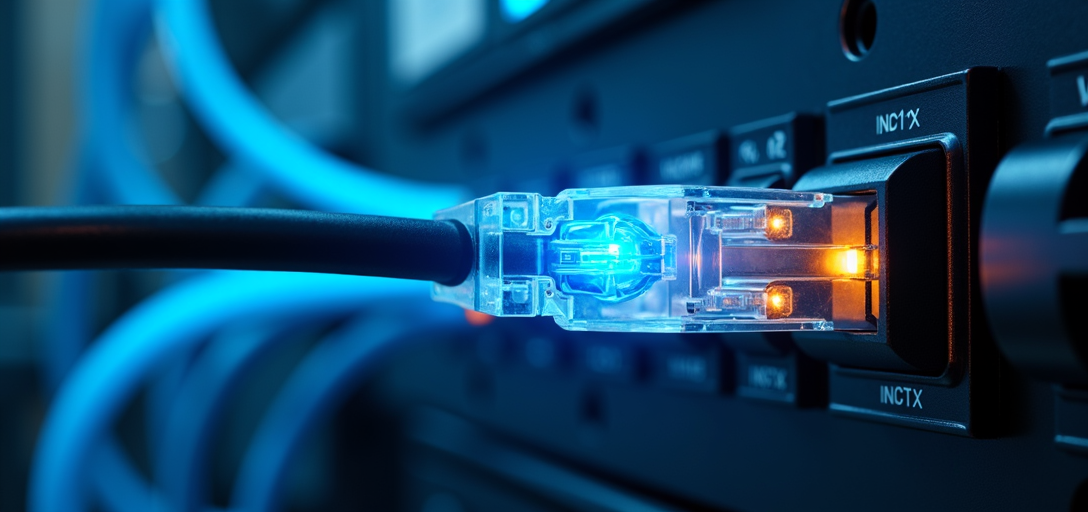
Fiber internet is a broadband connection that uses fiber-optic cables to transmit data at lightning-fast speeds. It is significantly different from traditional internet connections like DSL or cable, which use copper wires. Fiber-optic technology allows for high-speed data transfer, resulting in lower latency and the ability to handle more data traffic.
How Does Fiber Internet Work?
Fiber-optic cables consist of thin strands of glass or plastic fibers, which transport data as light pulses. This method of data transmission not only enhances speed but also reduces signal degradation over long distances. The light signals pass through these fibers at incredible speeds, making fiber internet one of the fastest broadband technologies available today.
Benefits of Fiber Internet
- High Speed: Fiber internet offers speeds that can reach up to 1 Gbps, with symmetrical upload and download speeds.
- Reliability: It's less susceptible to interference from electronic devices and power outages compared to copper-based connections.
- Low Latency: The quick transmission of data ensures minimal delays, which is perfect for online gaming and video conferencing.
- Scalability: Fiber networks can be scaled easily to meet growing data demands without significant infrastructure changes.
Fiber Internet Availability by Location in the US
While fiber internet offers many advantages, its availability is not yet universal across the United States. Various factors influence the reach of fiber networks in different regions.
Factors Influencing Availability
- Infrastructure Investment: The deployment of fiber networks requires substantial investment. Urban areas often receive priority due to the higher potential customer base.
- Geographical Challenges: Rural and remote areas may face delays in fiber deployment due to geographical barriers and lower population density.
- Local Policies and Regulations: Some regions may experience slower deployment rates due to regulatory hurdles or lack of local government support.
Current Statistics and Trends
As of 2026, about 60% of households in the US have access to fiber internet. The growth has been fueled largely by increased demand for high-speed internet and federal incentives aimed at expanding broadband access in underserved areas. According to a recent report, the states with the highest fiber internet penetration rates include California, New York, and Texas. Meanwhile, rural states like Wyoming and Montana continue to lag, highlighting the ongoing digital divide in America.
Major Fiber Internet Providers in the US
The deployment of fiber internet is spearheaded by several major providers, each focusing on expanding their networks in different parts of the country.
- AT&T Fiber: Offers extensive coverage in the southern US, with plans to expand further into underserved communities.
- Verizon Fios: Primarily available in the northeast and mid-Atlantic; known for its high-quality service and customer satisfaction.
- Google Fiber: Available in select cities, known for its user-friendly plans and straightforward pricing.
- CenturyLink: Offers fiber options in various cities across the west and midwest.
How to Check Fiber Internet Availability in Your Area
Checking fiber internet availability in your specific location is a critical step before making a decision to switch providers. Here are some strategies you can use:
- Provider Websites: Most providers offer an online tool where you enter your zip code to check availability at your address.
- Third-party Websites: Use sites like BroadbandNow or HighSpeedInternet to compare availability and pricing across different providers.
- Local Community Forums: Engage with local online communities or forums that often discuss and share information about internet providers in the area.
The Future of Fiber Internet in the US
The future of fiber internet in the United States is promising, with numerous developments and expansions in the pipeline. Government initiatives such as the FCC's broadband deployment fund are expected to bridge the digital divide by subsidizing fiber network expansions in rural and underserved areas. Additionally, technological advancements continue to reduce deployment costs, making it feasible to bring fiber to more communities.
The continued growth in the telecommuting workforce and increasing demand for smart home technologies underscore the necessity for high-speed, reliable internet connections. Therefore, fiber internet is paving the way for future connectivity solutions, giving more Americans the opportunity to enjoy seamless, high-speed internet access.