Exploring Future Trends: Cars That Might Stay on Dealer Lots Longer in 2026
Discover the factors influencing which cars might remain on dealer lots longer in 2026. Explore market trends and insights to understand why some vehicles are predicted to stay unsold for extended periods.
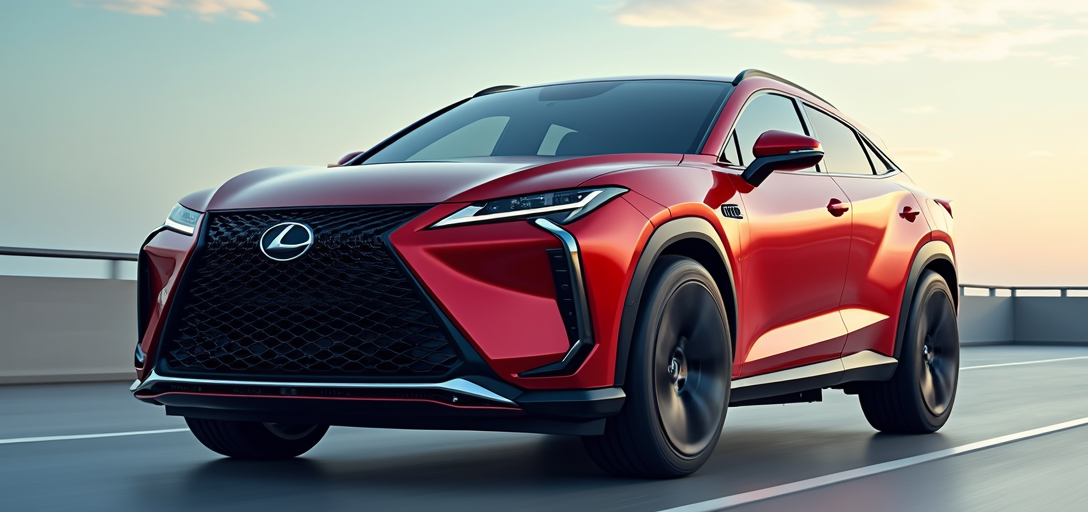
Understanding the Trend: Cars on Dealer Lots Longer in 2026
The landscape of the automotive industry in the United States is shifting, with certain cars projected to sit longer on dealer lots in 2026. This trend is shaped by various factors, from technological advancements to changing consumer preferences. For potential buyers and industry enthusiasts, it's crucial to understand which vehicles might linger longer and why this is happening.
What Factors Influence Cars Sitting on Dealer Lots?
Several key factors influence why specific cars might remain unsold on dealer lots for extended periods:
1. Shifts in Consumer Preferences
Consumer tastes are perpetually evolving. As of 2026, there's a growing inclination towards sustainable and technologically advanced vehicles. Electric vehicles (EVs) and hybrids are increasingly in demand, overshadowing traditional internal combustion engine (ICE) cars. According to data from the U.S. Department of Energy, EV sales have tripled over the past three years, pressing automakers to pivot quickly to meet this demand.
2. Economic Factors
The economic climate significantly impacts car sales. In 2026, rising interest rates and inflation are playing pivotal roles in consumer decisions. With financial constraints tightening, many buyers are opting for cost-efficient and energy-saving vehicles rather than high-priced, fuel-inefficient models.
3. Technology Integration
The integration of smart technology in vehicles is no longer a luxury but a necessity. Models lacking cutting-edge features such as advanced infotainment systems, autonomous driving capabilities, and enhanced safety features are less appealing. Insights from the Tech Mobility Report suggest that around 70% of consumers expect some level of autonomous functionality in new car purchases.
Which Cars Might Sit Longer?
While the market is vast, certain categories are more likely to see slower sales in 2026:
1. Traditional Sedans
Sedans, once a staple of American roads, are suffering a decline in popularity as consumers gravitate towards SUVs and crossovers. According to a survey by Autotrader, SUVs now account for over 50% of new vehicle sales, whereas sedans have slipped to below 20%. Models such as the Hyundai Sonata and Ford Fusion may particularly face challenges.
2. Gas-Guzzling SUVs and Trucks
While SUVs are generally favored, those with high fuel consumption are falling out of favor compared to more fuel-efficient hybrids or electric models. Vehicles like the Chevrolet Suburban and RAM 1500, known for their size and power, are seeing a downturn as consumers prioritize efficiency over capacity.
3. Outdated Technology Models
Cars that haven't kept up with technological advances, offering minimal connectivity options or lacking modern safety features, are less competitive. Automobiles like the Nissan Versa, which has minimal tech integrations, may also lag behind.
The Impact of Supply Chain Issues
Supply chain challenges continue to impact the availability and pricing of vehicles. In 2026, even though the situation has slightly improved compared to peak disruptions during the early 2020s, shortages in microchips and other crucial components still delay production and delivery timelines. This problem leads to an imbalance in supply and demand, affecting how long cars stay on lots.
Tips for Car Buyers in 2026
Understanding the market dynamics is crucial for making informed purchasing decisions. Here are some tips for buyers considering a purchase this year:
- Research thoroughly: Stay informed about which models offer the best value, reliability, and technology features.
- Consider future trends: Investing in electric or hybrid vehicles could offer savings on fuel and align with longer-term environmental standards.
- Negotiate effectively: Cars sitting longer on lots might lead to more flexible pricing models. Use resources like Kelley Blue Book to gauge fair price points.
- Stay updated on incentives: Both federal and local incentives for eco-friendly vehicles can significantly reduce the overall cost.
Conclusion
The automotive sector in 2026 continues to transform rapidly, influenced by various technological, economic, and societal factors. For industry observers and potential customers in the U.S., understanding which cars may linger on dealer lots offers insights into broader consumer trends and market movements. By staying informed and adaptable, both buyers and sellers can navigate these changes successfully, ensuring advantageous outcomes in an evolving market.