Exploring Groundbreaking Clinical Trials for Polycystic Kidney Disease: Opportunities in 2026
Discover the latest advancements in Polycystic Kidney Disease clinical trials in 2026. As research explores new avenues for treatment, participants can gain access to cuttingedge therapies.
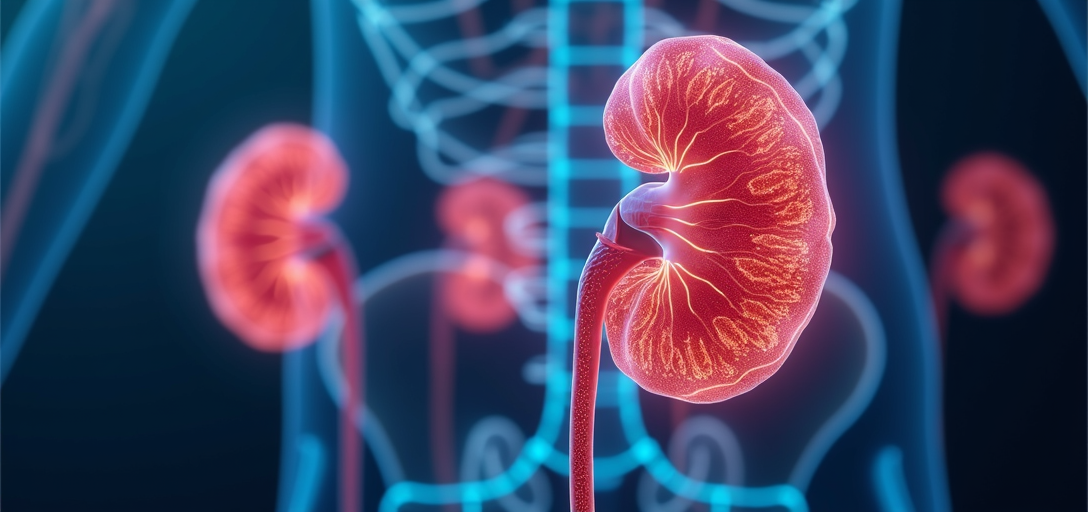
Understanding Polycystic Kidney Disease (PKD)
Polycystic Kidney Disease, often abbreviated as PKD, is a genetic disorder characterized by the growth of numerous cysts in the kidneys. These cysts are fluid-filled, non-cancerous sacs that can cause the kidneys to enlarge and lose function over time. While PKD can affect individuals of all ages, symptoms often become noticeable in adulthood. In the United States, it affects approximately 600,000 people, making it one of the most common life-threatening genetic diseases.
There are two main types of PKD: Autosomal Dominant Polycystic Kidney Disease (ADPKD) and Autosomal Recessive Polycystic Kidney Disease (ARPKD). ADPKD is the most common form, accounting for 90% of cases, and usually presents symptoms between the ages of 30 and 40. ARPKD is rarer and appears in infancy or childhood.
The Importance of Clinical Trials
Clinical trials are essential for advancing medical research and treatment options. For diseases like PKD, where there is no cure, clinical trials provide hope for finding more effective therapies and improving quality of life. These trials test new drugs, dietary changes, or medical devices that have shown promise in preliminary studies.
Participating in a clinical trial can give individuals access to new treatments that are not yet available to the general public, while also contributing to scientific advancements that could benefit others in the future. Participants are usually carefully selected and closely monitored to ensure their safety throughout the study.
PKD Clinical Trials in 2026
The year 2026 is promising for PKD research, with numerous clinical trials underway focusing on various aspects of the disease. Researchers are exploring novel treatment approaches such as gene therapy, precision medicine, and natural compound investigations.
Key Areas of Study
- Gene Therapy: Scientists are examining ways to correct the genetic mutations responsible for PKD using advanced gene-editing technologies like CRISPR-Cas9. This approach aims to halt or slow cyst growth at its source.
- Repurposing Existing Drugs: Some trials focus on medications already approved for other conditions to see if they can reduce cyst growth or kidney damage associated with PKD.
- Lifestyle and Dietary Changes: Research is ongoing into how diet and lifestyle modifications can impact disease progression. For example, low-protein diets and the management of hypertension are being studied for their potential benefits.
- Psychological and Quality of Life Studies: Understanding the psychological impact of living with PKD is also a focus, seeking strategies to improve mental health and overall quality of life for patients and their families.
Current Leading Studies
Some of the noteworthy studies in 2026 include:
- A trial led by the National Institutes of Health (NIH) focusing on the efficiency of a combined treatment regimen involving the drug Tolvaptan and dietary interventions.
- Johns Hopkins University is conducting a study on the effects of a new investigational drug aimed at slowing cyst growth without significant side effects.
- Harvard Medical School is leading a trial testing a novel gene therapy approach, aiming to provide a more permanent solution to halting disease progression.
How to Participate in a Clinical Trial
If you're considering participating in a clinical trial, it's essential to understand the process and evaluate if it's the right choice for you. Here's a step-by-step guide to help you through the process:
1. Consult with Your Healthcare Provider
Your doctor can provide valuable insights into whether participating in a clinical trial is appropriate based on your specific condition and overall health status.
2. Research Available Trials
Use resources like ClinicalTrials.gov, a database of publicly and privately funded clinical studies conducted around the world, to find trials that you may be eligible for. Information about eligibility criteria, locations, and contact details are typically provided.
3. Consider the Risks and Benefits
Understanding the potential risks and benefits of participating in a trial is crucial. Each study has unique parameters, and outcomes may vary. Discuss these with the trial coordinator or your healthcare team to make an informed decision.
4. Understand the Commitment
Clinical trials differ in length and extent of involvement required. It's important to consider how a trial's demands may fit with your lifestyle and personal commitments.
Sources for Further Information
For more comprehensive insights into PKD and ongoing clinical trials, these resources are highly recommended:
These organizations offer extensive information about PKD, support for individuals and families affected by the disease, and updates on research advancements.