Exploring Housing Solutions: How Single Moms Are Finding New Opportunities
Discover the various single mom housing programs that are becoming increasingly popular. Explore options ranging from rental assistance to down payment support. While these programs may offer significant help, outcomes can vary, depending on individual circumstances and available resources.
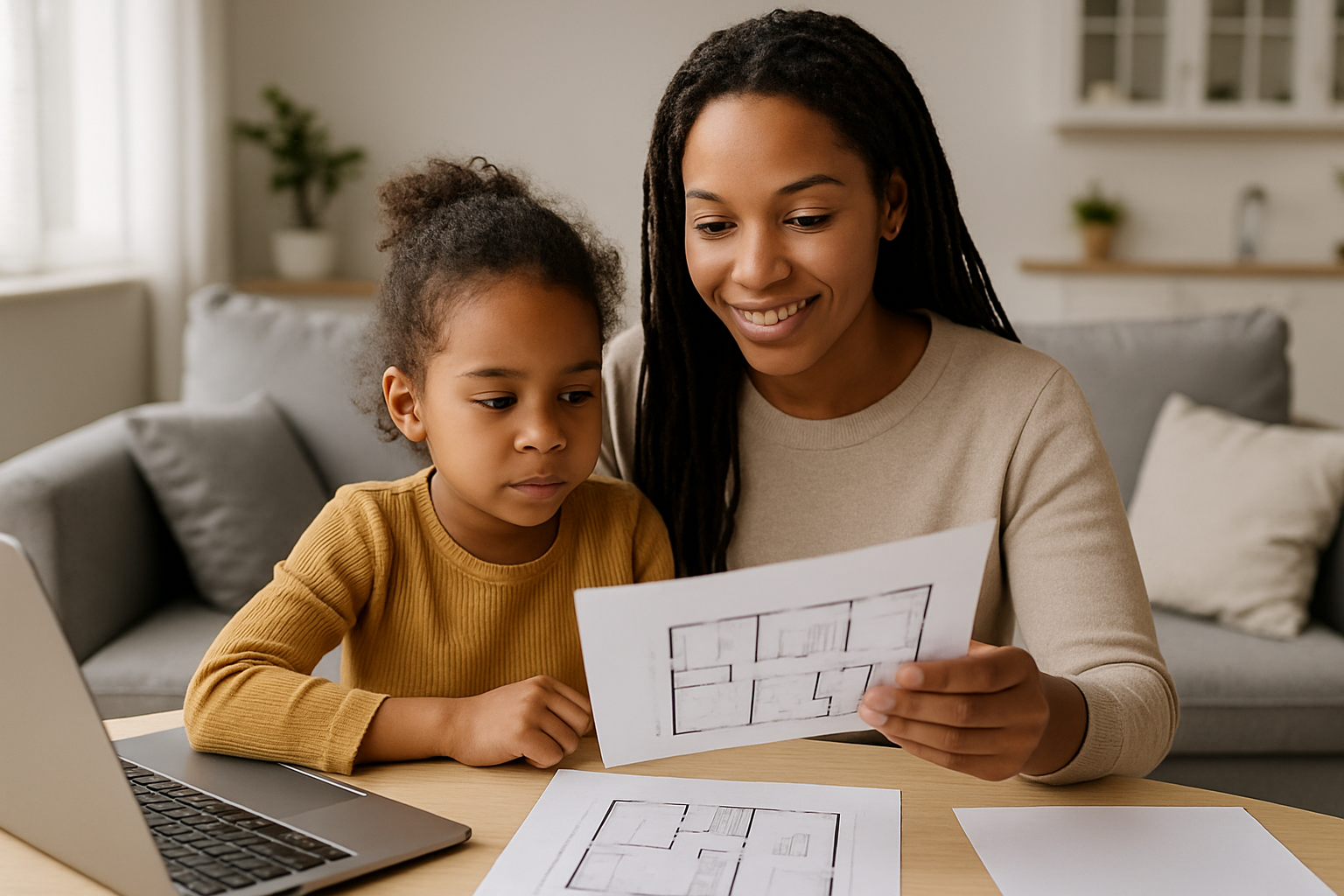
Understanding Single Mom Housing Programs
As housing costs continue to rise, many single mothers find themselves in increasingly challenging situations, trying to secure stable and affordable homes for their families. In response, a number of housing programs have been developed specifically to assist single mothers. These programs are tailored to provide not just shelter, but also a stepping stone towards greater financial independence and stability.
Why Are Single Mom Housing Programs Crucial?
Single mothers often face unique financial challenges that can make housing security difficult to achieve. Factors such as lower average incomes, the responsibility of being a sole provider, and the high costs of childcare all contribute to the issue. According to the U.S. Census Bureau's 2025 data, nearly 20% of single-mother households lived in poverty, highlighting the need for targeted assistance.
Housing programs help bridge this gap by offering various forms of support, including rental subsidies, low-interest loans, and access to affordable housing units. These programs can make a significant difference in enabling single moms to maintain stable environments for their children.
Types of Single Mom Housing Programs
There are several types of housing assistance available to single moms, each offering different advantages and fitting various needs. Here are some of the most common types:
- Government Subsidized Housing: Programs like Section 8 provide rental assistance, making it more affordable for single mothers to live in privately-owned properties.
- Nonprofit Housing Assistance: Organizations such as Habitat for Humanity work with families to build affordable homes. In many cases, participants are required to contribute "sweat equity" by helping in the construction of their own homes.
- Transitional Housing Programs: These are temporary housing solutions designed to get families out of unstable living conditions. They often include support services like career counseling and childcare.
- State and Local Programs: Many states offer their own programs and resources for single mothers. These can vary widely, from direct housing assistance to supportive services aimed at improving long-term self-sufficiency.
Eligibility for Housing Programs
Eligibility criteria can vary significantly across different programs. Generally, applicants need to demonstrate financial need, which is typically determined by income levels as compared to area median income (AMI). For example, some programs may cater to those earning less than 50% of the AMI. In addition, applicants often need to show that they are the primary or sole guardians of their children.
Aside from income, other factors such as current living conditions, history of housing insecurity, and the number of dependents might influence eligibility. For detailed eligibility requirements, applicants should consult specific program guidelines.
Applying to Single Mom Housing Programs
Steps to Apply
The application process for housing programs generally involves several key steps:
- Research: Begin by researching available housing programs that cater to single moms in your area. Websites such as the HUD portal can provide useful starting points.
- Prepare Documentation: Gather necessary documents such as proof of income, identification, and verification of guardianship. Ensuring you have all the required paperwork can streamline the application process.
- Submit Applications: Follow the application instructions specific to each program. This often involves completing forms either online or in person.
- Attend Interviews: Some programs require interviews to further assess eligibility and need.
After applying, it’s important to remain patient, as responses can sometimes take weeks or even months due to high demand.
Success Stories: Single Moms and the Impact of Housing Programs
There are countless success stories that highlight the transformative impact of housing programs. Take, for instance, Jane, a single mother from Ohio, who benefited from a local transitional housing program. After participating in the program for two years, she was able to secure a permanent home through a partnership that offered low-interest loans to graduates of the program. Jane's case is just one example of how these programs provide both immediate security and pathways to sustainable living.
Similarly, organizations such as Build Futures have reported significant success rates, with over 75% of participants securing permanent housing within 18 months of entering their programs. These outcomes underscore the effectiveness and importance of housing assistance initiatives for single mothers.
Challenges and Future Outlook
Despite the positive outcomes, single mom housing programs face numerous challenges. Limited funding, long waiting lists, and bureaucratic hurdles can impede their effectiveness and reach. Therefore, advocacy for increased funding and reforms is crucial to enhance accessibility and impact.
Looking towards the future, housing experts suggest the integration of innovative solutions such as community land trusts and cooperative housing models. Additionally, policies that encourage the development of affordable housing units can further support single mothers in securing stable housing. Organizations continue to push for more inclusive and comprehensive strategies to address housing insecurity amongst single mothers.
For more in-depth resources and guidance, the National Low Income Housing Coalition offers a wealth of information tailored to housing policies and statistics, which can be especially beneficial for advocates and policymakers.
Conclusion
Single mom housing programs play a vital role in providing support to a vulnerable demographic. Through these initiatives, single mothers receive crucial help in gaining safe, stable, and affordable housing, which in turn enables them to build better futures for themselves and their families. Understanding available resources and navigating the application process are key steps towards accessing the many benefits these programs offer. As awareness and advocacy continue to grow, there is hope for expanded reach and improved outcomes for all single mothers in need.